"Olympic Firsts and Traditions" refers to the groundbreaking moments and longstanding customs that define the Olympic Games. This includes notable achievements, such as the first time women competed, the introduction of new sports, or the debut of countries. Traditions encompass rituals like the lighting of the Olympic flame, the parade of nations, and the awarding of medals, all of which celebrate unity, excellence, and the enduring spirit of the Games.
Olympic Firsts and Traditions
"Olympic Firsts and Traditions" refers to the groundbreaking moments and longstanding customs that define the Olympic Games. This includes notable achievements, such as the first time women competed, the introduction of new sports, or the debut of countries. Traditions encompass rituals like the lighting of the Olympic flame, the parade of nations, and the awarding of medals, all of which celebrate unity, excellence, and the enduring spirit of the Games.
💡 Key Takeaways
- Identify key Olympic firsts (e.g., when women first competed, the introduction of new sports, and the debut of nations) and why they matter.
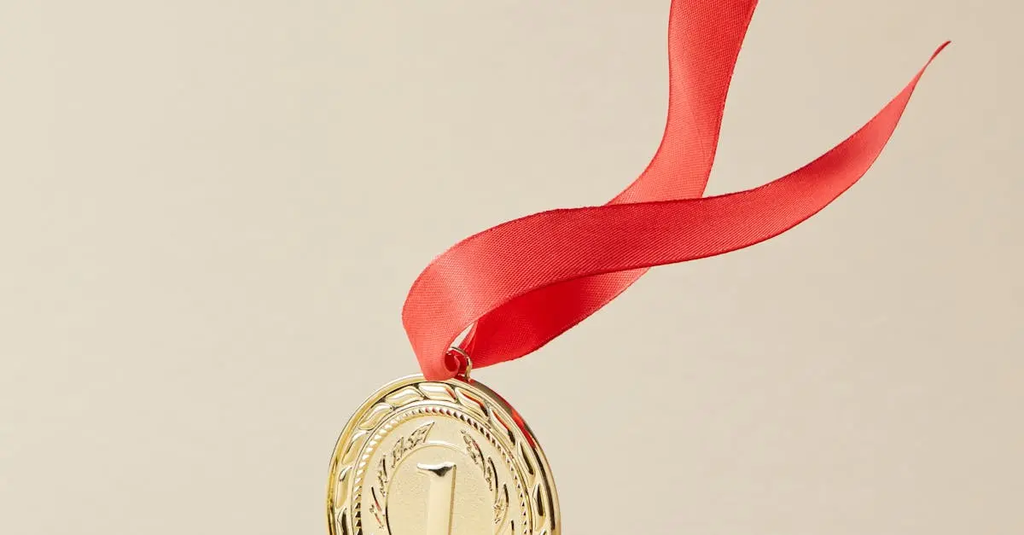
- Describe core traditions such as the opening ceremony rituals, the lighting of the Olympic flame, and the medal ceremonies.
- Explain how new sports join the Olympic program and how countries make their Olympic debut.
- Understand the symbols and mottos of the Games (the Olympic rings, Citius, Altius, Fortius) and their meanings.
❓ Frequently Asked Questions
What counts as an 'Olympic first'?
An inaugural milestone or moment, such as the first time women competed, the debut of a country at the Games, or the introduction of a new sport.
When did women first compete in the Olympic Games?
The Paris 1900 Games marked the first time women participated in the modern Olympics.
What is the Olympic flame and why is the torch relay part of the tradition?
The flame is lit in Olympia to symbolize the Games' enduring spirit; the torch relay carries it to the host city, linking ancient tradition with the modern Games.
What are common traditions during the Opening Ceremony?
The Parade of Nations, athletes' oath, official speeches, and the lighting of the Olympic cauldron to officially start the Games.