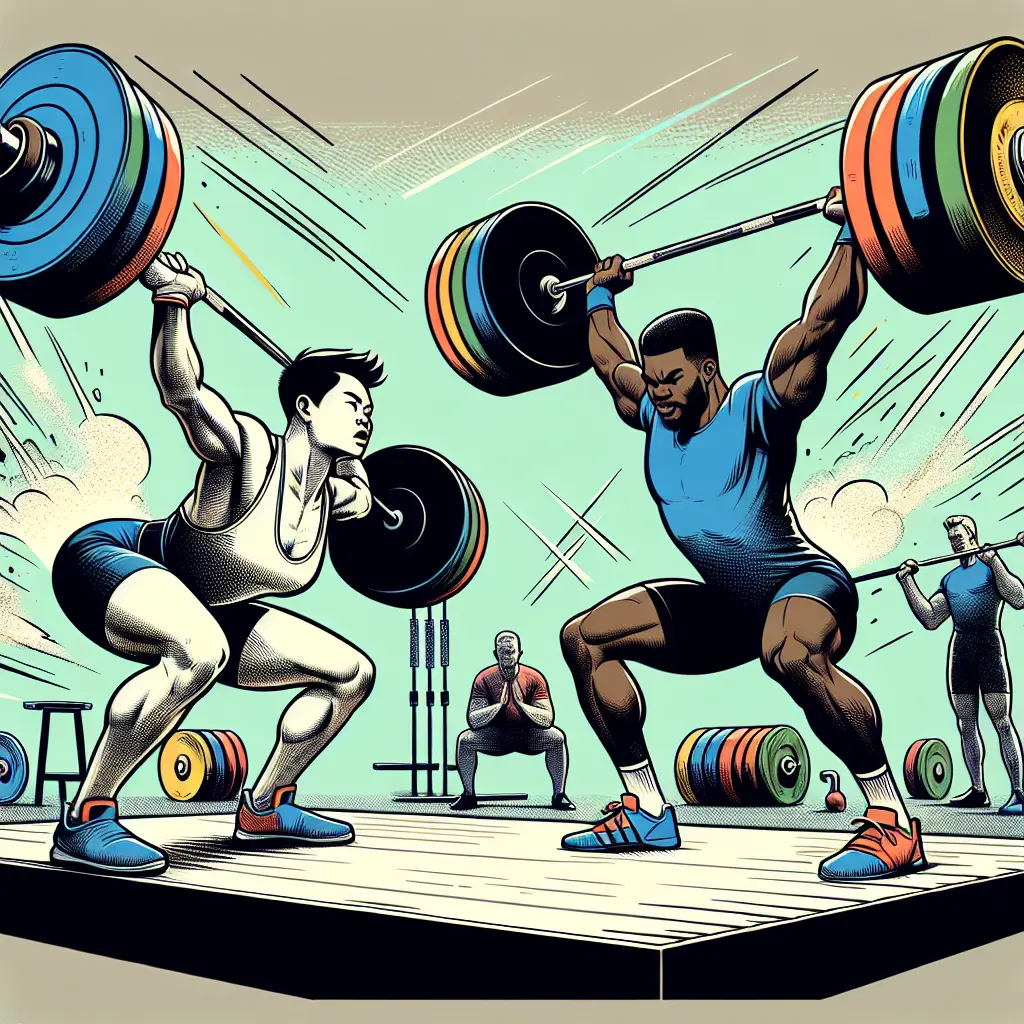
Olympic lifts fundamentals refer to the core techniques and principles behind the snatch and clean & jerk, the two primary Olympic weightlifting movements. These fundamentals include proper grip, stance, posture, and bar path, as well as mastering explosive power, coordination, and timing. Emphasis is placed on safety, mobility, and progressive overload to build strength and efficiency. Mastery of these basics is essential for performance and injury prevention in weightlifting.
Olympic Lifts Fundamentals
Olympic lifts fundamentals refer to the core techniques and principles behind the snatch and clean & jerk, the two primary Olympic weightlifting movements. These fundamentals include proper grip, stance, posture, and bar path, as well as mastering explosive power, coordination, and timing. Emphasis is placed on safety, mobility, and progressive overload to build strength and efficiency. Mastery of these basics is essential for performance and injury prevention in weightlifting.
💡 Key Takeaways
- Identify and apply the correct grip width, stance, and posture for the snatch and clean & jerk.
- Master the bar path to keep the bar close to the body throughout the pull, transition, and catch.
- Develop explosive hip extension and synchronized timing to maximize power and efficiency.
- Use safe progressions, cues, and coaching feedback to practice proper setups, catches, and rack positions.
❓ Frequently Asked Questions
What are the two main Olympic weightlifting movements?
The snatch and the clean & jerk; the snatch is a single continuous lift, while the clean + jerk is performed in two parts (clean to the shoulders, then jerk overhead).
What fundamentals do these lifts rely on?
Grip, stance, posture, bar path, explosive power, coordination, and timing.
Why is keeping the bar close to the body and along a good bar path important?
A close, vertical bar path improves efficiency, balance, and safety by reducing leverage and helping a stable catch.
What is the role of explosive power and timing in these lifts?
Explosive hip, knee, and ankle extension (triple extension) generates lift force, while precise timing ensures a clean catch and solid lockout.
What safety practices help when learning Olympic lifts?
Progress gradually with lighter loads, warm up properly, work on mobility, and seek coaching to ensure correct technique and reduce injury risk.