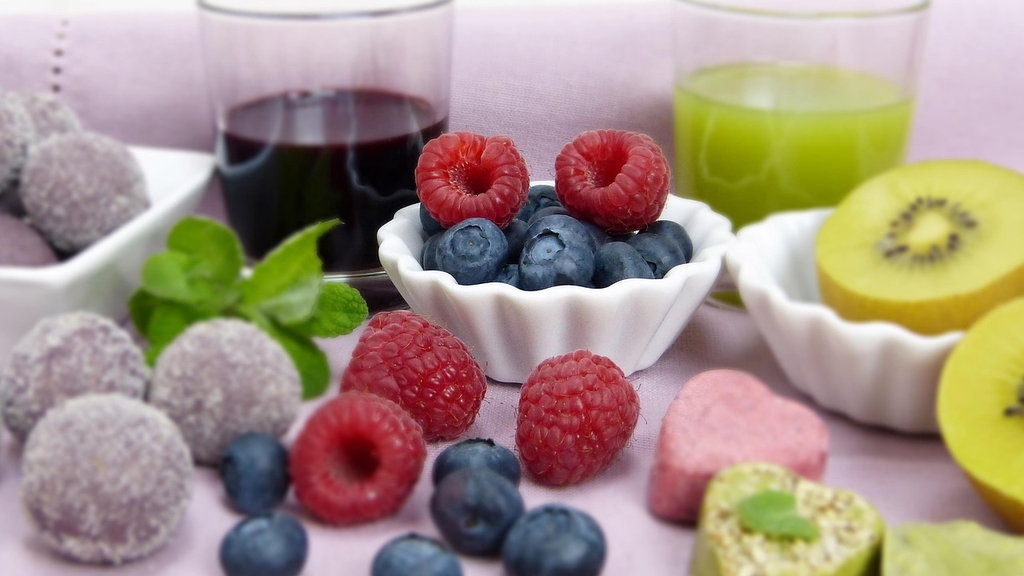
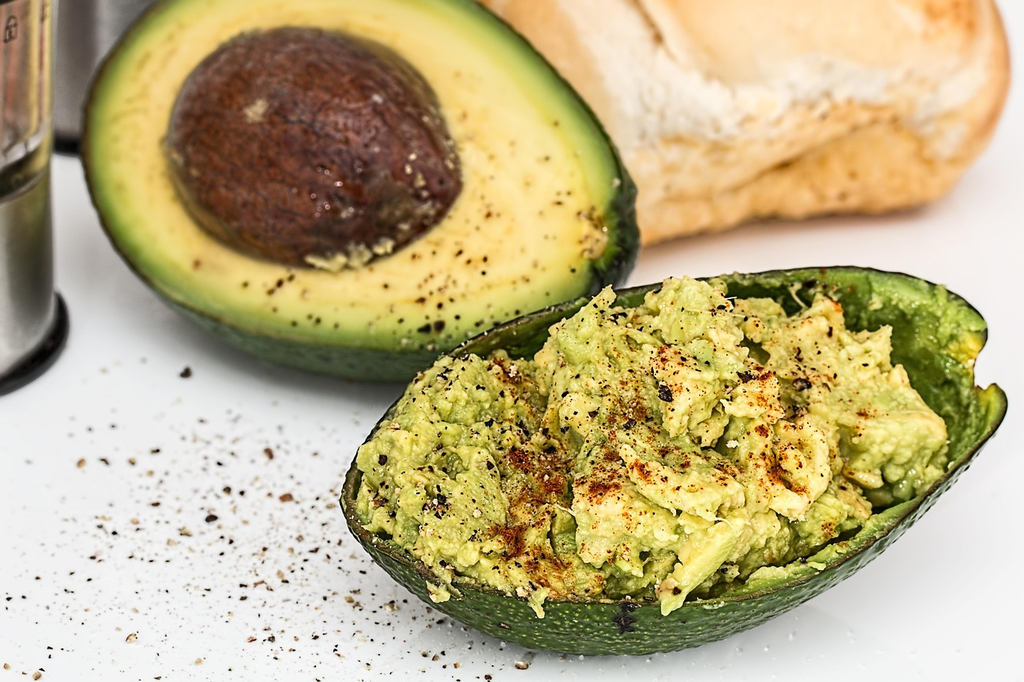
Olympic weightlifting techniques involve precise movements like the snatch and clean and jerk, requiring strength, coordination, and flexibility. Practicing these lifts promotes healthy habits such as regular exercise, proper warm-ups, and recovery routines. Incorporating superfoods—like lean proteins, leafy greens, berries, and whole grains—supports muscle growth, energy, and overall health. Together, mastering weightlifting techniques and maintaining nutritious dietary habits enhances athletic performance and long-term well-being.
Olympic Weightlifting Techniques
Olympic weightlifting techniques involve precise movements like the snatch and clean and jerk, requiring strength, coordination, and flexibility. Practicing these lifts promotes healthy habits such as regular exercise, proper warm-ups, and recovery routines. Incorporating superfoods—like lean proteins, leafy greens, berries, and whole grains—supports muscle growth, energy, and overall health. Together, mastering weightlifting techniques and maintaining nutritious dietary habits enhances athletic performance and long-term well-being.
💡 Key Takeaways
- Identify the two Olympic lifts (snatch and clean & jerk) and the key phases of each lift (pull, catch, and recovery).
- Learn how to set up the bar, grip width, stance, and torso position for a stable, powerful start.
- Master core cues such as triple extension, vertical bar path, and hip drive to improve lift efficiency and height.
- Know basic safety, warm-up, mobility, and progression to reduce injury risk while training.
❓ Frequently Asked Questions
What are the two Olympic lifts and their goals?
The snatch and the clean & jerk. Goal: lift the bar from the floor to overhead. The snatch is a single continuous movement; the clean & jerk involves two movements—clean to the shoulders and jerk overhead.
What are the main phases of the snatch?
Setup, first pull, transition to the second pull, second pull/extension, and catch with arms locked overhead.
What are the main phases of the clean and jerk?
Clean: floor to front rack. Jerk: front rack to overhead. Key parts include setup, pulls to get the bar high, catching in the front rack, and the dip-and-drive for the jerk.
What common cues help with technique and safety in Olympic lifts?
Keep the bar close to the body, maintain a neutral spine, use strong hip extension, and ensure stable reception and proper footwork for both lifts.