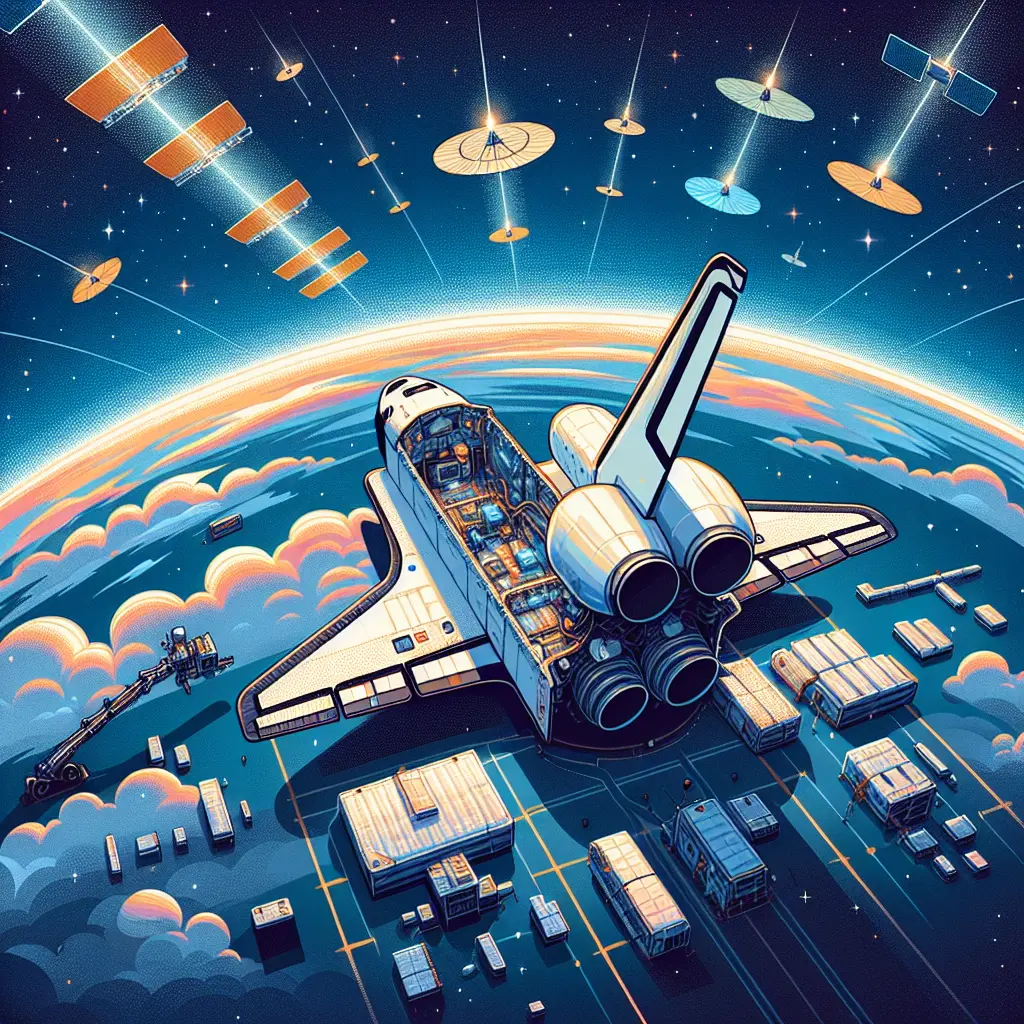
On-orbit servicing and refueling technologies refer to advanced systems and methods that enable spacecraft to be maintained, repaired, upgraded, or refueled while remaining in space. These technologies extend the operational lifespan of satellites and other space assets, reduce mission costs, and enhance flexibility. They include robotic arms, autonomous servicing vehicles, and specialized docking mechanisms, allowing for tasks such as replacing components, correcting malfunctions, or replenishing fuel supplies without returning to Earth.
On-Orbit Servicing and Refueling Technologies
On-orbit servicing and refueling technologies refer to advanced systems and methods that enable spacecraft to be maintained, repaired, upgraded, or refueled while remaining in space. These technologies extend the operational lifespan of satellites and other space assets, reduce mission costs, and enhance flexibility. They include robotic arms, autonomous servicing vehicles, and specialized docking mechanisms, allowing for tasks such as replacing components, correcting malfunctions, or replenishing fuel supplies without returning to Earth.
💡 Key Takeaways
- Understand what on-orbit servicing is and why it extends satellite lifetimes.
- Learn how space refueling and propellant transfer are performed and the main technical challenges.
- Explore servicing activities (repair, upgrade, capture) and the robotics/automation enabling them.
- Recognize the implications for missions, costs, and future space infrastructure.
❓ Frequently Asked Questions
What is on-orbit servicing?
On-orbit servicing is the maintenance, repair, upgrading, or refueling of a spacecraft while it remains in space, typically using robotic servicers and docking systems.
How does refueling in space work and why is it valuable?
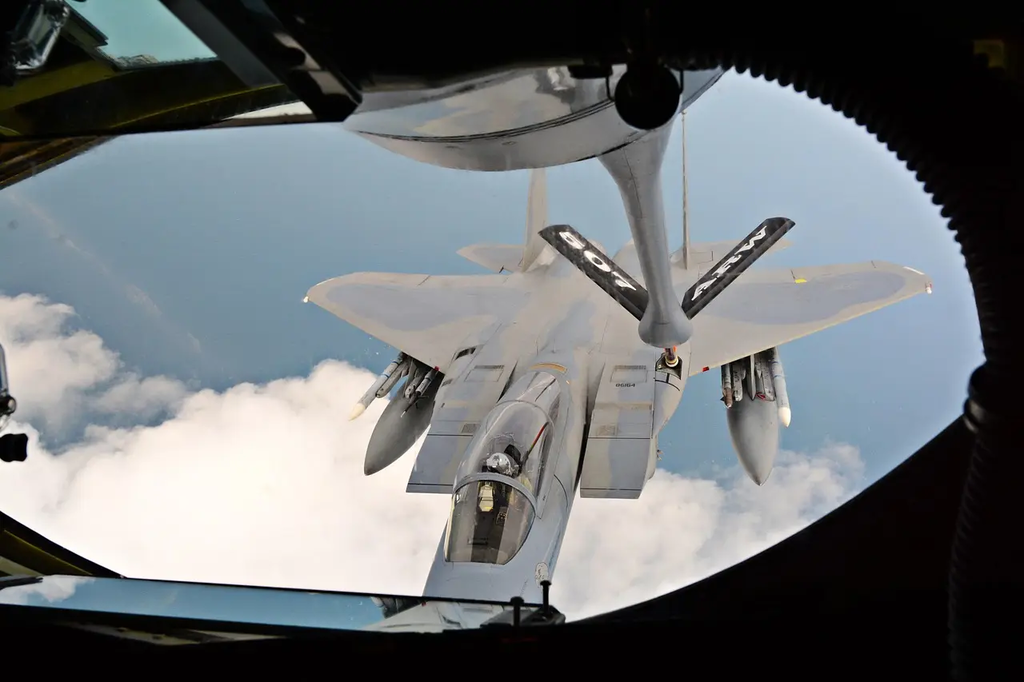
In-space refueling transfers propellant from a servicing vehicle to a satellite in orbit, extending mission life, enabling larger propulsion for future maneuvers, and reducing the need for new launches.
What technologies enable on-orbit servicing?
Key technologies include robotic arms, docking and capture mechanisms, autonomous servicing satellites, propellant transfer systems, and repair/upgrade tools.
What are the main benefits of on-orbit servicing and refueling?
Extended satellite lifespans, lower overall mission costs, improved flexibility to upgrade systems, and reduced risk of service downtime by avoiding full asset replacement.
What are common challenges or risks involved?
Technical complexity of robotics, safe docking and propellant transfer, space debris and collision risks, and ensuring compatible interfaces and regulatory compliance.