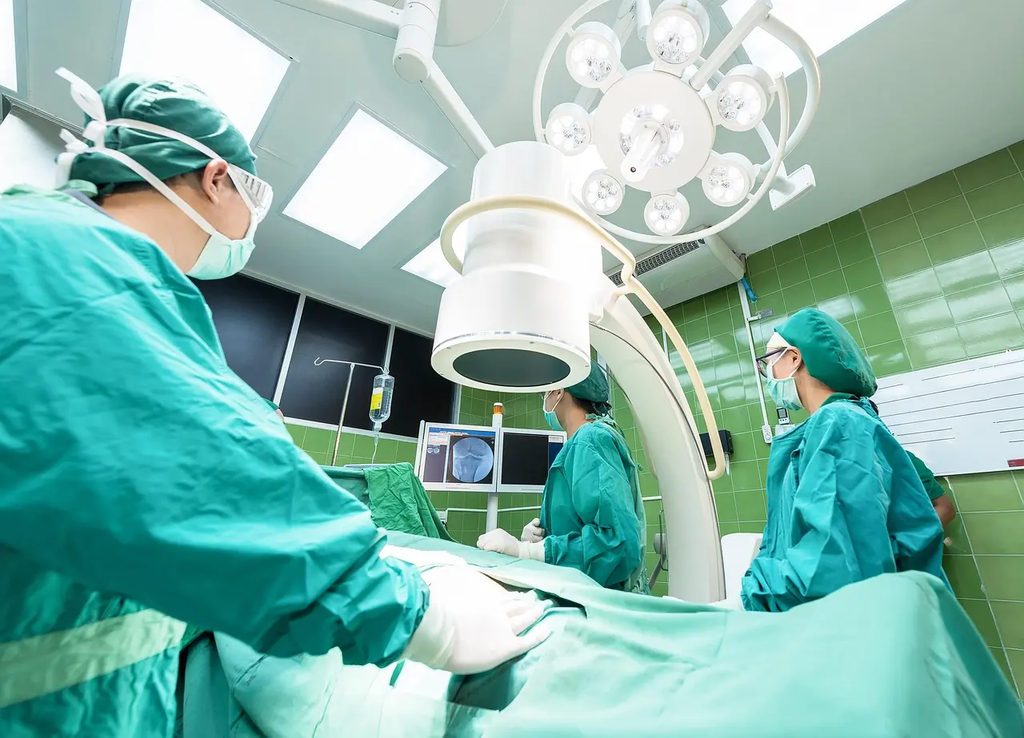
Oncology care teams are multidisciplinary groups of healthcare professionals who collaborate to provide comprehensive care for cancer patients. Key roles include oncologists, oncology nurses, radiologists, pathologists, pharmacists, social workers, and nutritionists. Each member contributes specialized expertise, such as diagnosing cancer, administering treatments, offering emotional support, and coordinating care. This teamwork ensures patients receive personalized, effective treatment plans, addressing both medical and psychosocial needs throughout their cancer journey.
Oncology Care Teams & Roles
Oncology care teams are multidisciplinary groups of healthcare professionals who collaborate to provide comprehensive care for cancer patients. Key roles include oncologists, oncology nurses, radiologists, pathologists, pharmacists, social workers, and nutritionists. Each member contributes specialized expertise, such as diagnosing cancer, administering treatments, offering emotional support, and coordinating care. This teamwork ensures patients receive personalized, effective treatment plans, addressing both medical and psychosocial needs throughout their cancer journey.

💡 Key Takeaways
- Identify key oncology care team members and their primary roles (e.g., oncologist, nurse, pharmacist, social worker, nutritionist, genetic counselor)
- Describe how multidisciplinary teams collaborate to plan and coordinate cancer care across diagnosis, treatment, and survivorship
- Understand how support roles (patient navigators, financial counselors, social workers) help improve access, education, and coping
- Explain how specialists (surgical oncologist, radiation oncologist, advanced practice providers) deliver safe, individualized treatment and support trial participation
❓ Frequently Asked Questions
What roles typically make up an oncology care team?
Common members include a medical oncologist, surgical oncologist, radiation oncologist, oncology nurse (often a nurse navigator), social worker, nutritionist, pharmacist, and therapists or coordinators; additional specialists (genetic counselor, palliative care, chaplain, clinical trial staff) may be involved as needed.
What is the difference between medical, surgical, and radiation oncologists?
Medical oncologists treat cancer with medicines (chemotherapy, targeted therapy, immunotherapy). Surgical oncologists remove tumors or perform biopsies. Radiation oncologists use focused radiation to destroy cancer cells. They collaborate to create a unified treatment plan.
What does a nurse navigator do?
A nurse navigator helps coordinate appointments, explains treatment options, answers questions, manages side effects, and connects patients with support services and resources.
How do oncology teams coordinate a treatment plan?
Teams discuss cases in multidisciplinary meetings, develop a shared care plan, assign roles, and communicate with the patient throughout treatment to monitor effects and adjust therapy as needed.