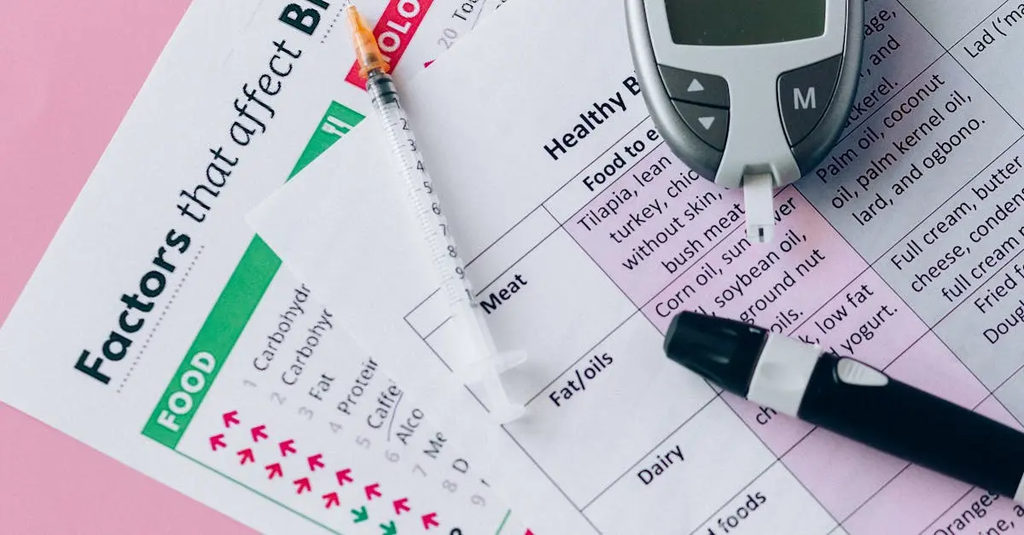
Oncology nutrition during treatment and recovery focuses on providing cancer patients with the necessary nutrients to maintain strength, manage side effects, and support healing. Proper nutrition can help improve energy levels, maintain body weight, and enhance the body’s ability to tolerate treatments like chemotherapy and radiation. Tailored dietary plans address individual needs, aiming to boost immune function, reduce infection risk, and promote overall well-being throughout the cancer journey and recovery process.
Oncology Nutrition: During Treatment & Recovery
Oncology nutrition during treatment and recovery focuses on providing cancer patients with the necessary nutrients to maintain strength, manage side effects, and support healing. Proper nutrition can help improve energy levels, maintain body weight, and enhance the body’s ability to tolerate treatments like chemotherapy and radiation. Tailored dietary plans address individual needs, aiming to boost immune function, reduce infection risk, and promote overall well-being throughout the cancer journey and recovery process.

💡 Key Takeaways
- Understand how oncology nutrition helps sustain strength, energy, and healing during treatment and recovery.
- Identify key nutrients and practical strategies to manage common treatment side effects (nausea, taste changes, mouth sores, appetite loss).
- Use protein- and calorie-smart planning to maintain or regain body weight and lean muscle.
- Create an individualized, easy-to-follow meal plan that supports hydration, immune health, and tolerance to treatment.
❓ Frequently Asked Questions
What is oncology nutrition during treatment and recovery?
Oncology nutrition focuses on meeting calorie and protein needs to maintain strength, support healing, and help manage treatment side effects, with a personalized plan from an oncology dietitian.
Which nutrients are most important for cancer patients during treatment?
Key focuses are adequate protein for tissue repair, sufficient calories for energy, and good hydration, along with a varied intake of fruits, vegetables, whole grains, and healthy fats to meet micronutrient needs.
How can diet help manage common treatment side effects?
Eat small, frequent meals with familiar, easy-to-digest foods; choose soft or bland options if mouth or throat hurts; stay hydrated; adjust flavors and textures to cope with taste changes and nausea; avoid strong smells when nauseated.
What food safety tips are important during cancer treatment?
Follow basic food safety: wash hands and surfaces; cook meats and eggs thoroughly; avoid unpasteurized products and raw or undercooked animal foods; wash produce; refrigerate promptly; consult your clinician about any neutropenia-specific restrictions.