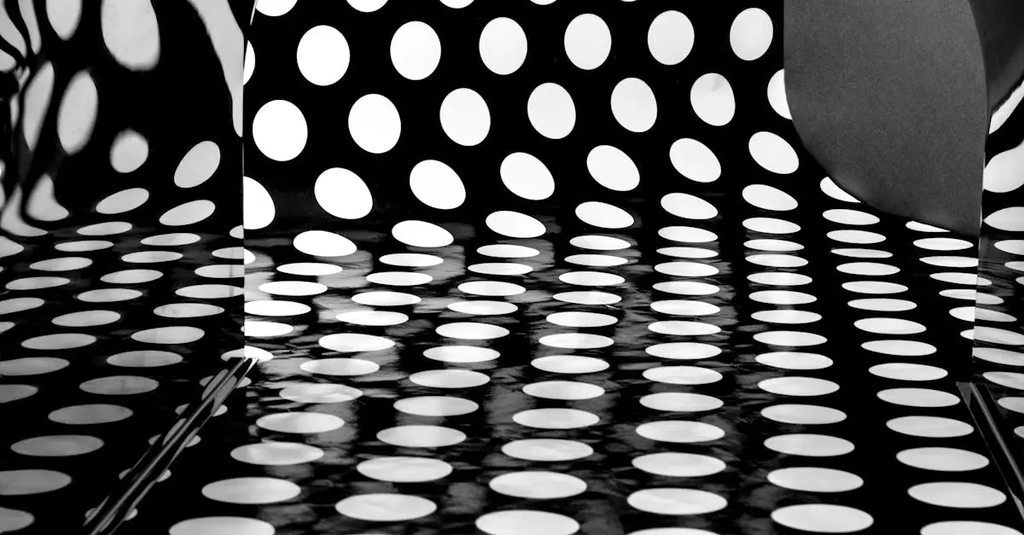
Op Art, short for Optical Art, is a visual art movement that emerged in the 1960s. It focuses on creating optical illusions through the use of geometric shapes, contrasting colors, and precise patterns. Artists like Bridget Riley and Victor Vasarely are prominent figures in this movement. Op Art artworks often appear to move, vibrate, or warp, challenging viewers’ perceptions and engaging their visual senses in dynamic, often disorienting ways.
Op Art
Op Art, short for Optical Art, is a visual art movement that emerged in the 1960s. It focuses on creating optical illusions through the use of geometric shapes, contrasting colors, and precise patterns. Artists like Bridget Riley and Victor Vasarely are prominent figures in this movement. Op Art artworks often appear to move, vibrate, or warp, challenging viewers’ perceptions and engaging their visual senses in dynamic, often disorienting ways.
💡 Key Takeaways
- Define Op Art and how geometric patterns create visual motion and depth.
- Learn common techniques: grids, tessellations, high-contrast colors, and shading to fool the eye.
- Get to know key Op Art artists (Victor Vasarely, Bridget Riley) and their famous works.
- See how pattern density, line width, and color contrast influence perception and create movement.
❓ Frequently Asked Questions
What is Op Art?
Op Art, short for Optical Art, is a visual art style that uses precise patterns, geometric shapes, and high-contrast colors to create optical illusions of movement, depth, or vibration.
What techniques define Op Art?
Common techniques include repeating geometric patterns, strict grid layouts, bold black-and-white contrasts, and careful use of color to trigger visual effects.
How does Op Art create the illusion of movement?
By exploiting how the eye perceives edges and contrast; tightly packed patterns and subtle shifts in scale or alignment can make a static image seem to flicker or move.
Who are notable Op Art artists?
Key figures include Bridget Riley and Victor Vasarely, whose works helped establish and popularize Op Art.