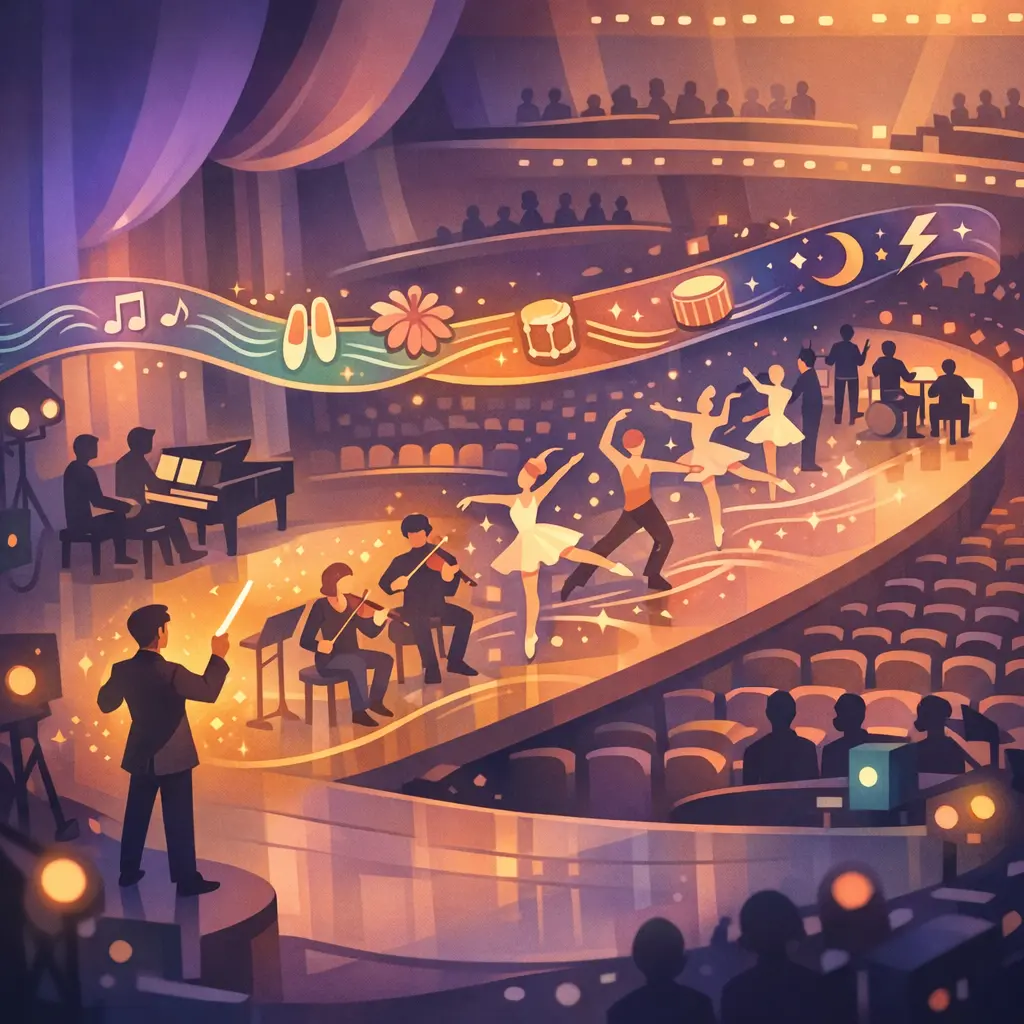
Opera acting and diction refer to the specialized skills required for performing in opera, combining expressive acting with precise pronunciation and articulation of lyrics in various languages. Performers must convey intense emotions and complex narratives through both vocal technique and physical expression. Mastery of diction ensures clarity and authenticity, enabling audiences to understand the story and emotions conveyed, while acting brings depth and realism to operatic characters, enhancing the overall impact of the performance.
Opera Acting & Diction
Opera acting and diction refer to the specialized skills required for performing in opera, combining expressive acting with precise pronunciation and articulation of lyrics in various languages. Performers must convey intense emotions and complex narratives through both vocal technique and physical expression. Mastery of diction ensures clarity and authenticity, enabling audiences to understand the story and emotions conveyed, while acting brings depth and realism to operatic characters, enhancing the overall impact of the performance.
💡 Key Takeaways
- Master opera-specific vocal technique: breath control, resonance, and sustained projection.
- Link acting choices to musical phrasing to convey character and emotion on stage.
- Learn essential opera diction basics for Italian, French, German, and English pronunciation.
- Practice delivering clear diction across fast tempi and wide dynamic ranges.
❓ Frequently Asked Questions
What is opera acting and how does it differ from other acting?
Opera acting blends character portrayal with singing; performers must communicate through vocal color, phrasing, and stage movement while preserving the musical line.
Why is diction important in opera, and which languages should you learn?
Diction makes the text intelligible and expressive; common languages include Italian, French, German, and English. Focus on clear vowels and crisp consonants without breaking legato.
What techniques help with voice projection and emotional expression in opera?
Develop diaphragmatic breathing, forward placement, resonant vowels, precise consonants, and legato singing to serve the text and music while conveying emotion.
How should I approach learning a role’s language and text for better diction?
Study the libretto's meaning, annotate key moments, practice the text with the music, and work with a coach to refine pronunciation and expressive delivery.