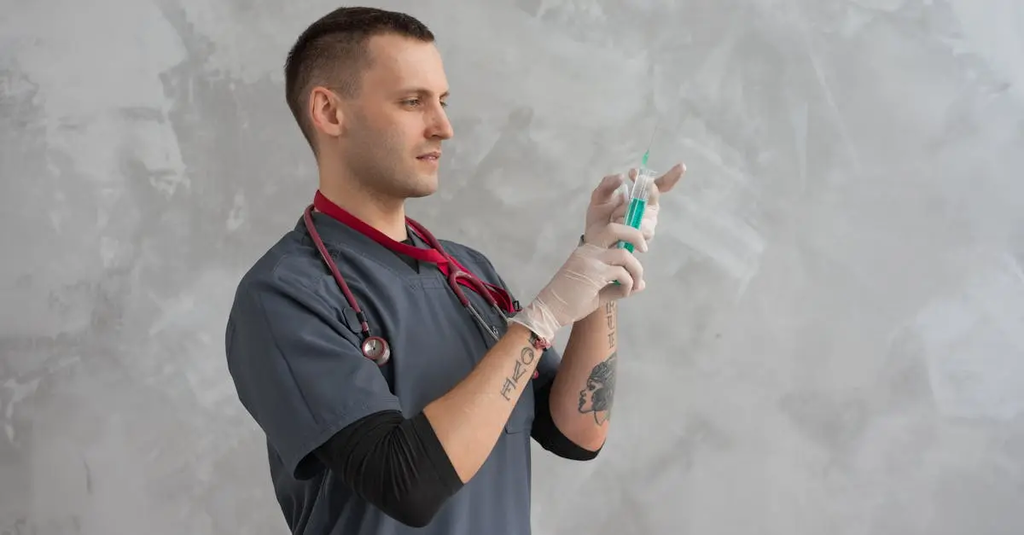
Operating Room Team Dynamics refers to the interactions, communication, and collaboration among healthcare professionals—such as surgeons, anesthesiologists, nurses, and technicians—within the surgical environment. Effective team dynamics are crucial for patient safety, efficiency, and successful outcomes. They involve clear roles, mutual respect, trust, and adaptive problem-solving. Strong dynamics help prevent errors, enhance workflow, and ensure that each team member’s expertise is utilized, ultimately improving the quality of care delivered during surgical procedures.
Operating Room Team Dynamics
Operating Room Team Dynamics refers to the interactions, communication, and collaboration among healthcare professionals—such as surgeons, anesthesiologists, nurses, and technicians—within the surgical environment. Effective team dynamics are crucial for patient safety, efficiency, and successful outcomes. They involve clear roles, mutual respect, trust, and adaptive problem-solving. Strong dynamics help prevent errors, enhance workflow, and ensure that each team member’s expertise is utilized, ultimately improving the quality of care delivered during surgical procedures.
💡 Key Takeaways
- Identify each member's role in the OR and how they contribute to patient safety.
- Explain the importance of clear, structured communication and handoffs in the operating room.
- Describe how teamwork dynamics, hierarchy, and interruptions affect performance and risk.
- Apply strategies to enhance situational awareness and a shared mental model among the team.
- Recognize how effective OR teamwork reduces errors, improves efficiency, and outcomes.
❓ Frequently Asked Questions
What is the operating room team and why is teamwork essential?
The OR team includes surgeons, anesthesia providers, nurses, and technicians who coordinate before, during, and after surgery. Strong teamwork improves safety, efficiency, and patient outcomes by aligning goals and communication.
Who are the core members of the OR team and what are their typical roles?
Surgeon leads the procedure and plan; Anesthesia provider maintains patient stability; Circulating nurse manages equipment, documentation, and patient positioning; Scrub nurse/tech handles instruments and assists the surgeon.
What is a time-out (Surgical Safety Checklist) and when is it performed?
A brief pause before incision to confirm patient identity, procedure, site, implants, and essential equipment. It helps prevent wrong-site or wrong-procedure errors.
What is closed-loop communication and why is it important in the OR?
A communication pattern where the sender's message is acknowledged and repeated back to confirm accuracy. It reduces miscommunication, clarifies requests, and enhances patient safety during critical steps.