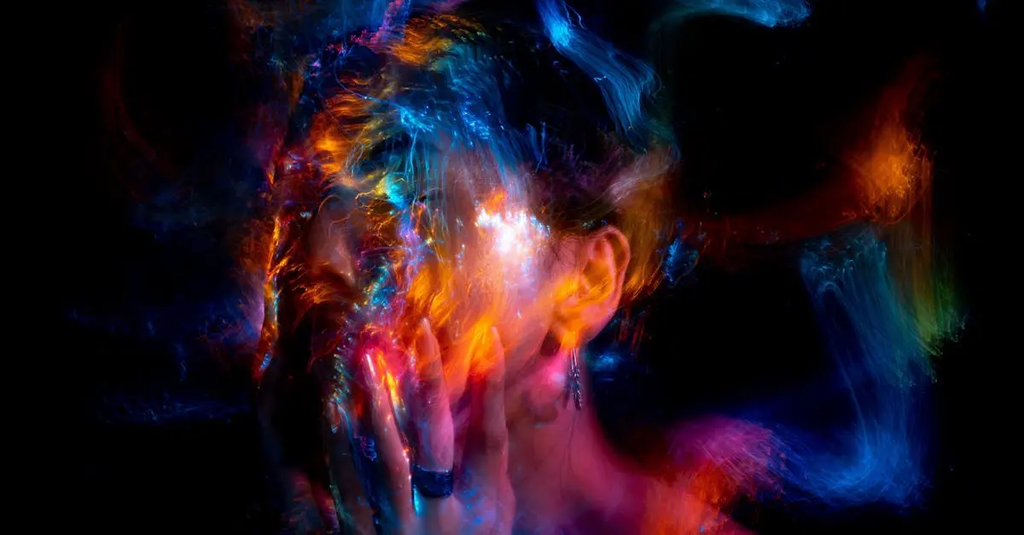
Optical illusions are visual phenomena where the perception of an image differs from objective reality. They trick the brain into seeing things that may not exist or interpreting images in unusual ways. These illusions exploit the ways our eyes and brain process visual information, often using color, light, patterns, or perspective. As a result, optical illusions can create effects such as movement, hidden images, or distortions of size and shape, revealing fascinating aspects of human perception.
Optical Illusions+50
Optical illusions are visual phenomena where the perception of an image differs from objective reality. They trick the brain into seeing things that may not exist or interpreting images in unusual ways. These illusions exploit the ways our eyes and brain process visual information, often using color, light, patterns, or perspective. As a result, optical illusions can create effects such as movement, hidden images, or distortions of size and shape, revealing fascinating aspects of human perception.
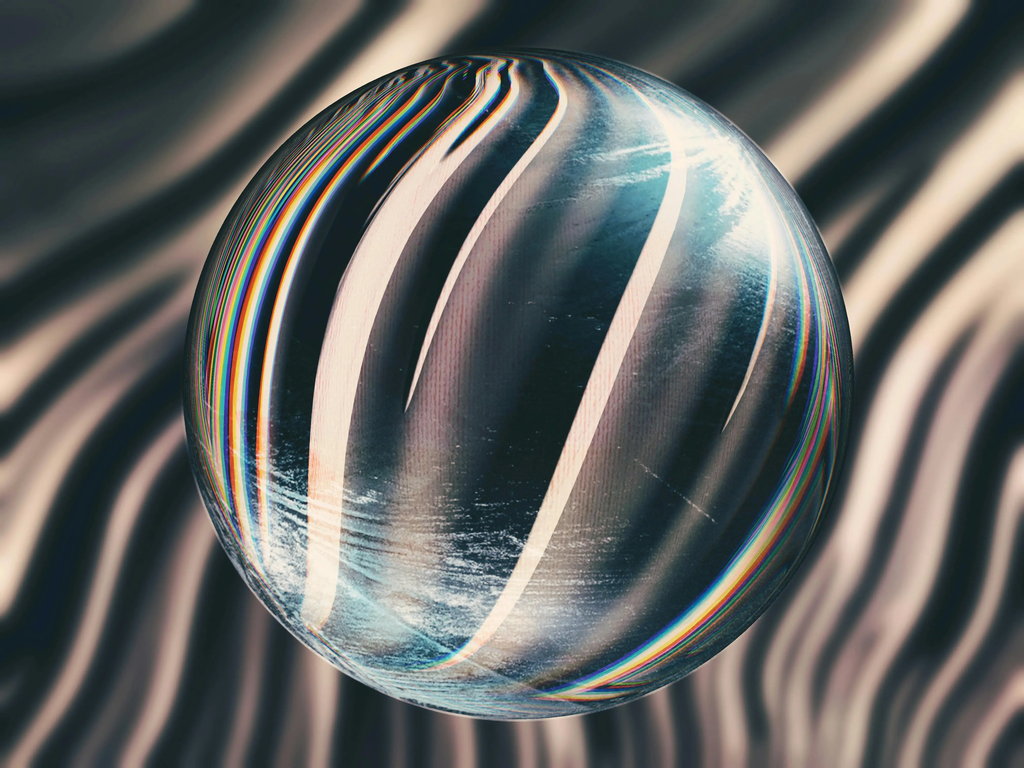
💡 Key Takeaways
- Understand how optical illusions reveal that perception can differ from objective reality.
- Explore how color, contrast, and context influence what we see.
- Identify common illusion types (motion, perspective, and geometric distortions) and how the brain interprets them.
- Learn quick at-home checks to test and observe optical illusions in everyday images.
❓ Frequently Asked Questions
What is an optical illusion?
An optical illusion is a visual experience where what you see differs from reality because the brain interprets light, color, and patterns in ways that can be misleading.
How do optical illusions work?
They exploit the brain’s visual shortcuts—edges, shading, depth cues, motion, and context—causing misperceptions of size, shape, or distance.
Why is color important in many optical illusions?
Color and contrast influence how brightness and depth are perceived, helping the brain infer surfaces and textures—even when the actual colors don’t support the illusion.
Are optical illusions useful beyond being entertaining?
Yes. They reveal how our visual system processes information and help researchers study perception, attention, and brain–eye coordination.