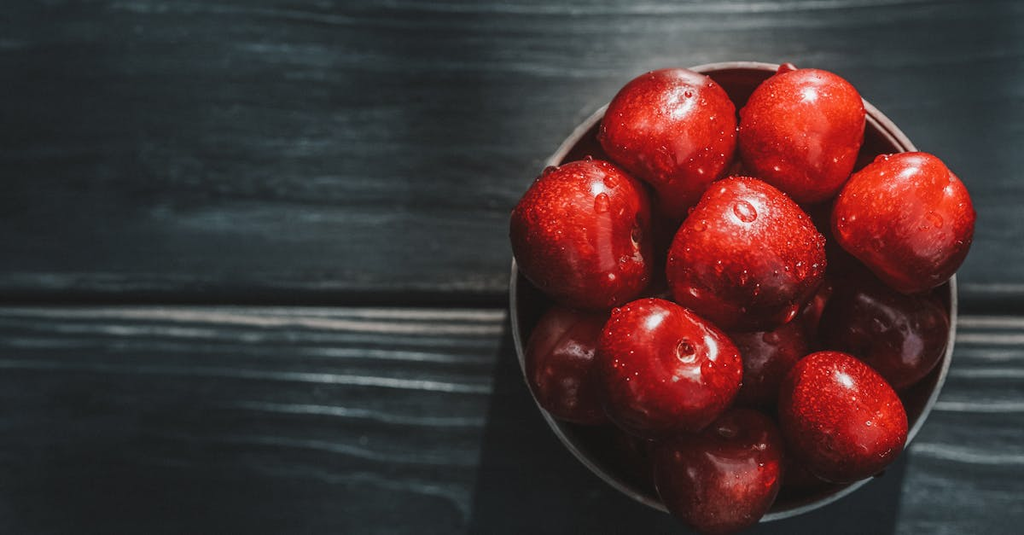
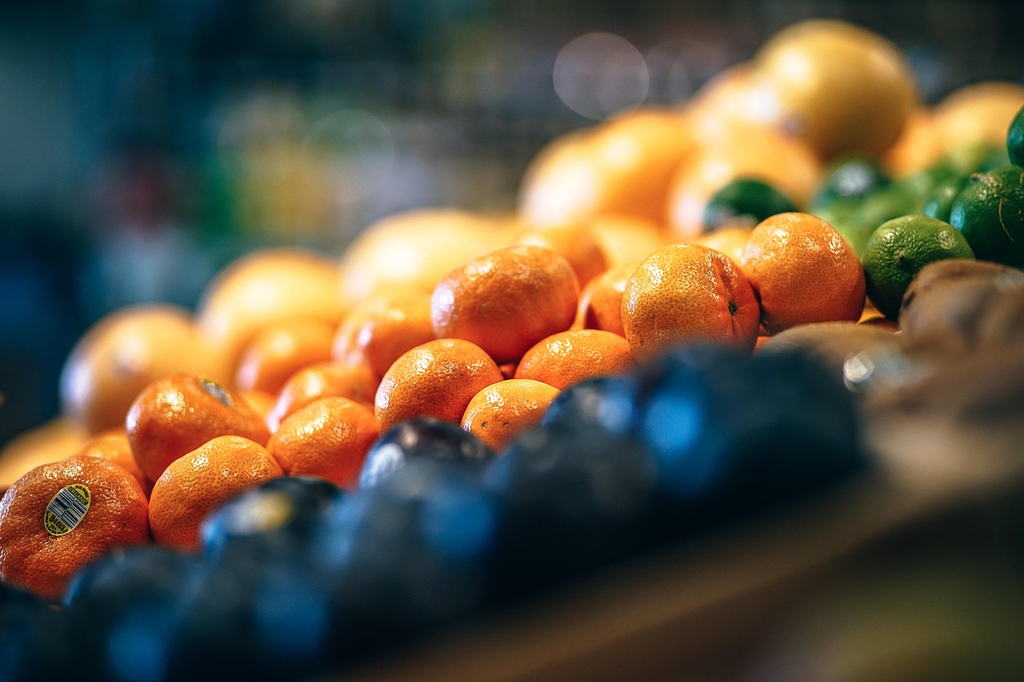
Orange by-products refer to materials left after processing oranges, such as peels, pulp, and seeds. These by-products are valuable in various industries. Orange peels are used to extract essential oils, flavorings, and natural colorants. The pulp can be processed into animal feed, dietary fiber, or biofuel. Similarly, cherries, after juice extraction, leave behind by-products like pits and skins, which can be utilized in cosmetics, food additives, or as natural antioxidants.
Orange By-products and Their Uses
Orange by-products refer to materials left after processing oranges, such as peels, pulp, and seeds. These by-products are valuable in various industries. Orange peels are used to extract essential oils, flavorings, and natural colorants. The pulp can be processed into animal feed, dietary fiber, or biofuel. Similarly, cherries, after juice extraction, leave behind by-products like pits and skins, which can be utilized in cosmetics, food additives, or as natural antioxidants.
💡 Key Takeaways
- Identify common orange by-products (peels, pulp, seeds) and their potential value.
- Explain how orange peels can be transformed into essential oils, pectin, zest, and dietary fiber.
- Outline sustainable extraction and valorization methods for citrus by-products and their trade-offs.
- List practical uses of orange by-products in food, cosmetics, and packaging, highlighting environmental benefits.
❓ Frequently Asked Questions
What counts as orange by-products?
Orange by-products are the leftovers from juice and citrus processing—peels, membranes, pulp, seeds, and the essential oils recovered from the rind.
What are common culinary uses for orange by-products in foods?
Zest or grated peel for flavor, dried orange peel for seasoning, candied peel, and pectin or fiber extracted from peels used as gelling and textural ingredients.
How can orange by-products be used outside of food?
They provide essential oils and limonene for cosmetics and cleaners, as well as potential uses in nutraceuticals, biofuels, and animal feeds.
Why is valorizing orange by-products important?
It reduces waste, lowers disposal costs, and creates value-added ingredients, supporting a circular economy and sustainable citrus production.