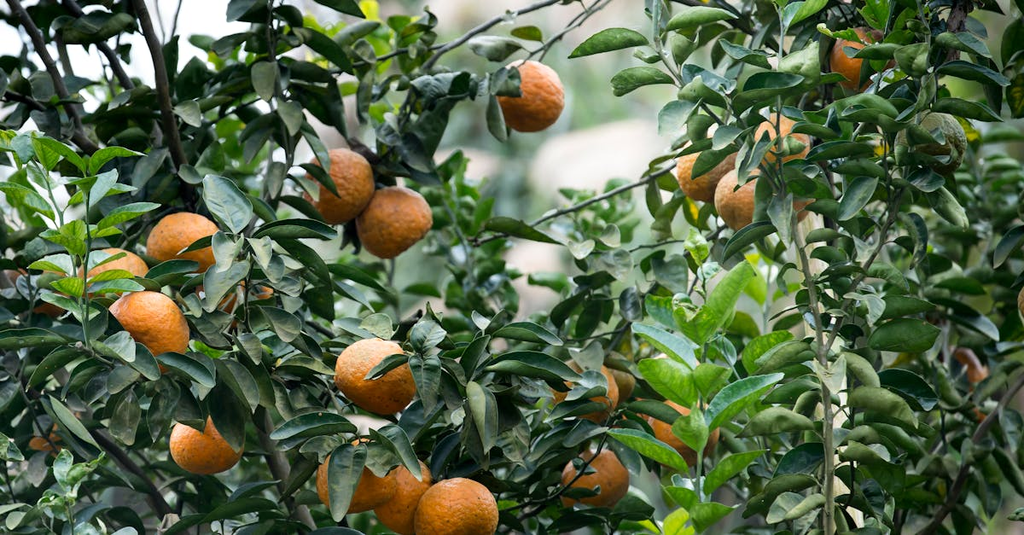
Orange growing regions are geographic areas with climates suitable for cultivating oranges, typically featuring warm temperatures, abundant sunlight, and well-drained soil. These regions, such as parts of the Mediterranean, California, Florida, and Brazil, support the production of fresh citrus fruits like oranges and sometimes cherries. The favorable conditions in these areas ensure high fruit quality, sweetness, and juiciness, making them ideal for both local consumption and export markets.
Orange Growing Regions
Orange growing regions are geographic areas with climates suitable for cultivating oranges, typically featuring warm temperatures, abundant sunlight, and well-drained soil. These regions, such as parts of the Mediterranean, California, Florida, and Brazil, support the production of fresh citrus fruits like oranges and sometimes cherries. The favorable conditions in these areas ensure high fruit quality, sweetness, and juiciness, making them ideal for both local consumption and export markets.
💡 Key Takeaways
- Identify global orange-growing regions and the climates that support orange production
- Explain how temperature, rainfall, and sunlight influence orange flavor, sweetness, and yield
- Differentiate common orange varieties (e.g., navel vs. Valencia) and their typical harvest seasons by region
- Outline basic growing requirements for orange trees, including soil needs and irrigation practices
❓ Frequently Asked Questions
What climate conditions are ideal for orange growing?
Oranges grow best in warm, subtropical climates with plenty of sun, a long growing season, and minimal frost. They need well-drained soil, regular irrigation, and mild winter temperatures (typically above freezing).
Which regions are the world's main orange producers?
Top producers include Brazil, the United States (Florida and California), Spain, Mexico, and Egypt. Other important regions include Turkey, India, China, and Israel.
What are the common orange varieties and their uses?
Navel oranges are seedless and typically eaten fresh; Valencia oranges are late-season and favored for juice; Blood oranges have red flesh and a distinct flavor. Different regions may prioritize different varieties.
How do regional factors influence orange flavor and quality?
Temperature, sunlight, rainfall, and irrigation affect sugar and acid levels, rind color, and juice quality. Warmer days with cooler nights can enhance sweetness, while drought or frost can reduce quality.