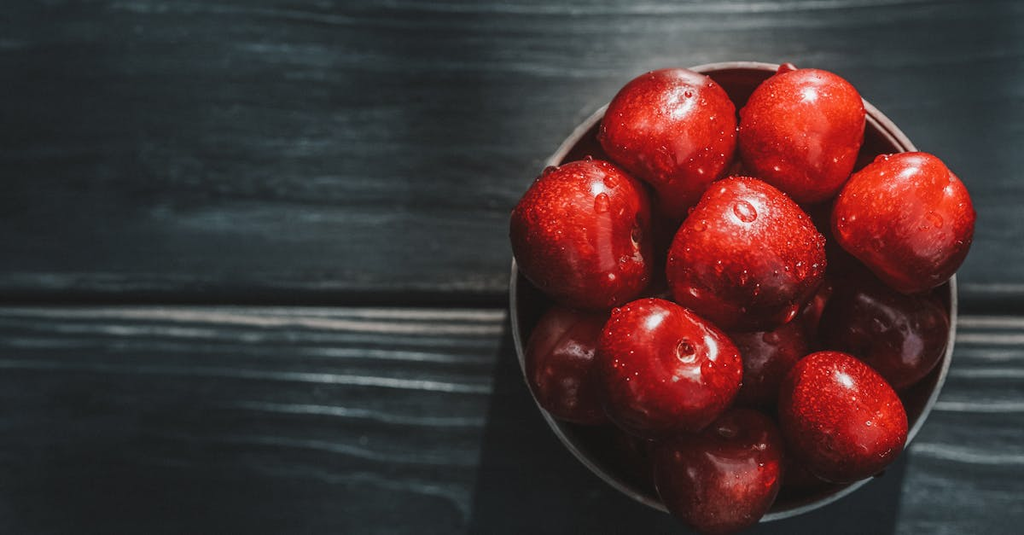
Orange harvesting techniques involve careful hand-picking or using mechanical aids to ensure fruit freshness and minimize damage. Workers typically twist or clip oranges from branches, leaving a small stem attached to prevent spoilage. Harvesting is done when the fruit reaches optimal ripeness, indicated by color and firmness. For both oranges and cherries, gentle handling and timely collection are crucial to maintain quality, prevent bruising, and extend shelf life during post-harvest processing.
Orange Harvesting Techniques
Orange harvesting techniques involve careful hand-picking or using mechanical aids to ensure fruit freshness and minimize damage. Workers typically twist or clip oranges from branches, leaving a small stem attached to prevent spoilage. Harvesting is done when the fruit reaches optimal ripeness, indicated by color and firmness. For both oranges and cherries, gentle handling and timely collection are crucial to maintain quality, prevent bruising, and extend shelf life during post-harvest processing.
💡 Key Takeaways
- Determine optimal harvest time using color, aroma, and firmness indicators.
- Use gentle picking techniques to avoid bruising and rind damage.
- Choose the right tools and methods (hand-picking, ladders, poles) for efficiency and safety.
- Handle post-harvest steps: washing, sorting by grade, and proper storage to maximize shelf life.
❓ Frequently Asked Questions
When is an orange ready to harvest?
Oranges are usually ready when the skin reaches the mature color for the variety and the fruit detaches with a gentle twist or lift without pulling.
What tools are commonly used for orange harvesting?
A sharp hand knife or clippers, small picking knives, baskets or crates, and long-handled pole pruners for high fruit.
How can you minimize damage to fruit during harvest?
Handle fruit gently, cut the stem rather than pulling, harvest in cooler times of day, and place fruit in padded bins to prevent bruising.
What post-harvest steps help oranges stay fresh?
Cool the fruit quickly, sort by size/quality, remove leaves or stems, pack in ventilated containers, and store away from heat and ethylene sources.