Orange juice production involves selecting and washing fresh oranges and sometimes cherries to ensure quality and cleanliness. The fruits are then sorted, peeled, and juiced using specialized equipment. The juice is filtered to remove pulp and seeds, then pasteurized to eliminate bacteria and extend shelf life. Finally, the juice is packaged in bottles or cartons for distribution, preserving the natural flavor and nutritional value of the fresh fruits.
Orange Juice Production
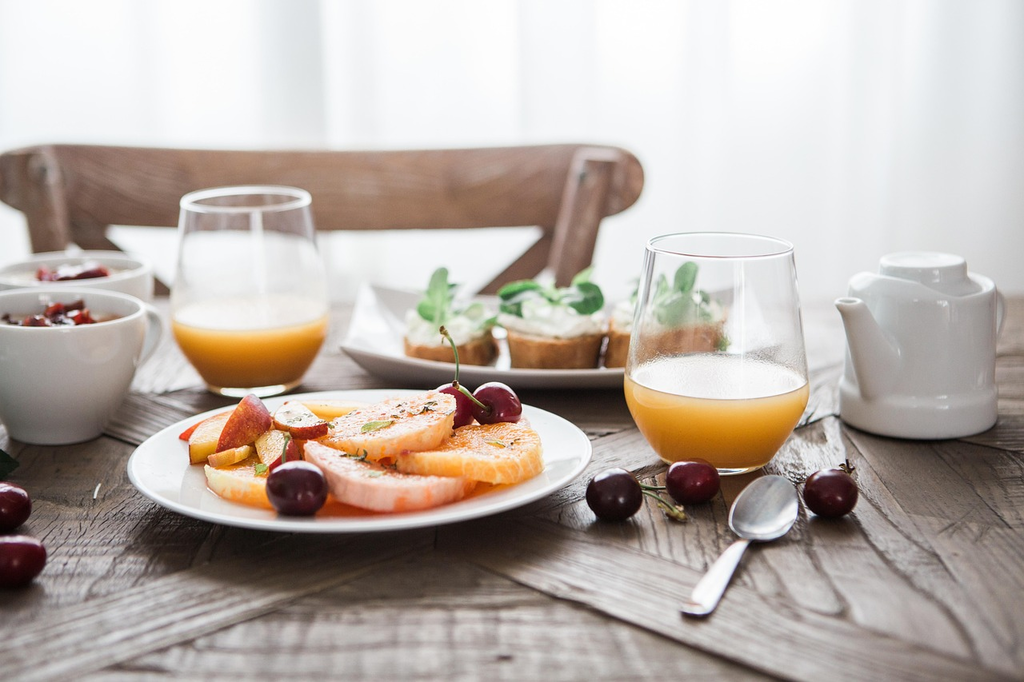
Orange juice production involves selecting and washing fresh oranges and sometimes cherries to ensure quality and cleanliness. The fruits are then sorted, peeled, and juiced using specialized equipment. The juice is filtered to remove pulp and seeds, then pasteurized to eliminate bacteria and extend shelf life. Finally, the juice is packaged in bottles or cartons for distribution, preserving the natural flavor and nutritional value of the fresh fruits.
💡 Key Takeaways
- Understand the main steps in orange juice production: washing, crushing/pressing, clarification, and pulp separation.
- Learn how pasteurization and deaeration preserve safety, flavor, and nutrients in orange juice.
- Differentiate between juice from concentrate and not-from-concentrate, and how reconstitution works.
- See how quality control, standardization (sugar/acid balance), filtration, and packaging affect taste and shelf life.
❓ Frequently Asked Questions
What are the main steps in orange juice production?
Harvest and quality check → wash → juice extraction → clarification/filtration → pasteurization → (for concentrate) evaporation to remove water → packaging.
What is pasteurization, and why is it used in orange juice processing?
A heat treatment that kills pathogens and slows spoilage, extending shelf life and improving safety; may slightly affect flavor and nutrients.
What is the difference between orange juice from concentrate and not from concentrate?
From concentrate: water is removed to make concentrate, then later reconstituted with water before packaging. Not from concentrate: juice is pasteurized and packaged directly without water removal.
What is the purpose of clarification and filtration in orange juice processing?
To remove suspended solids and pulp, producing clear juice; some products may be intentionally cloudy or contain pulp.