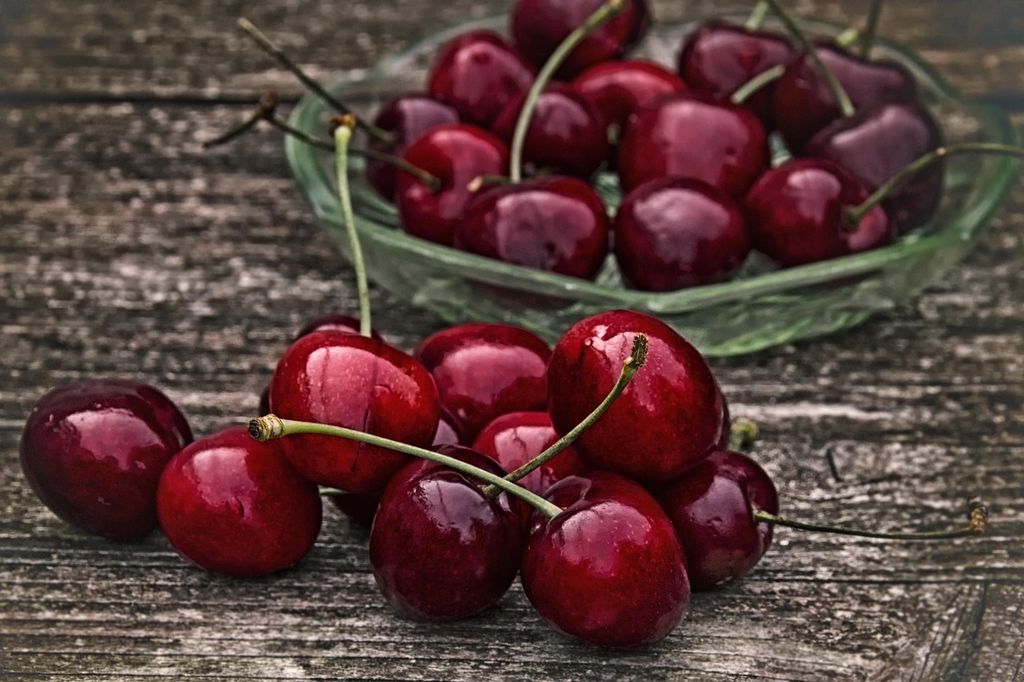
Orange storage methods refer to techniques used to keep oranges and similar fruits like cherries fresh for longer periods. These methods include refrigeration, which slows down spoilage; storing in cool, dry places to prevent mold; and using breathable bags or containers to reduce moisture buildup. Proper storage also involves keeping fruits unwashed until use, separating them from ethylene-producing fruits, and ensuring adequate air circulation to maintain freshness and flavor.
Orange Storage Methods
Orange storage methods refer to techniques used to keep oranges and similar fruits like cherries fresh for longer periods. These methods include refrigeration, which slows down spoilage; storing in cool, dry places to prevent mold; and using breathable bags or containers to reduce moisture buildup. Proper storage also involves keeping fruits unwashed until use, separating them from ethylene-producing fruits, and ensuring adequate air circulation to maintain freshness and flavor.

💡 Key Takeaways
- Understand the best storage conditions to maximize orange shelf life (temperature, humidity, airflow)
- Learn when to keep oranges at room temperature versus in the fridge
- Get guidance for storing whole oranges vs. peeled or cut segments
- Recognize spoilage signs and know when to discard or repurpose
❓ Frequently Asked Questions
What is the best way to store whole oranges to maximize freshness?
Store whole oranges in the refrigerator crisper or a cool, breathable container. Keep them dry and away from heat; they typically last about 2-3 weeks.
How long do oranges last at room temperature versus in the fridge?
At room temperature: about 1 week. In the fridge: about 2-3 weeks.
Should you wash oranges before storing them?
No. Wash them only before eating. Excess moisture can promote mold during storage.
How should you store cut or peeled oranges?
Store cut or peeled segments in an airtight container in the fridge; use within 3-4 days for best quality.
Can you freeze oranges or orange juice?
Yes. Freeze juice in freezer-safe containers, or freeze peeled/segmented oranges on a tray, then transfer to a bag. Thaw in the fridge; texture may change.