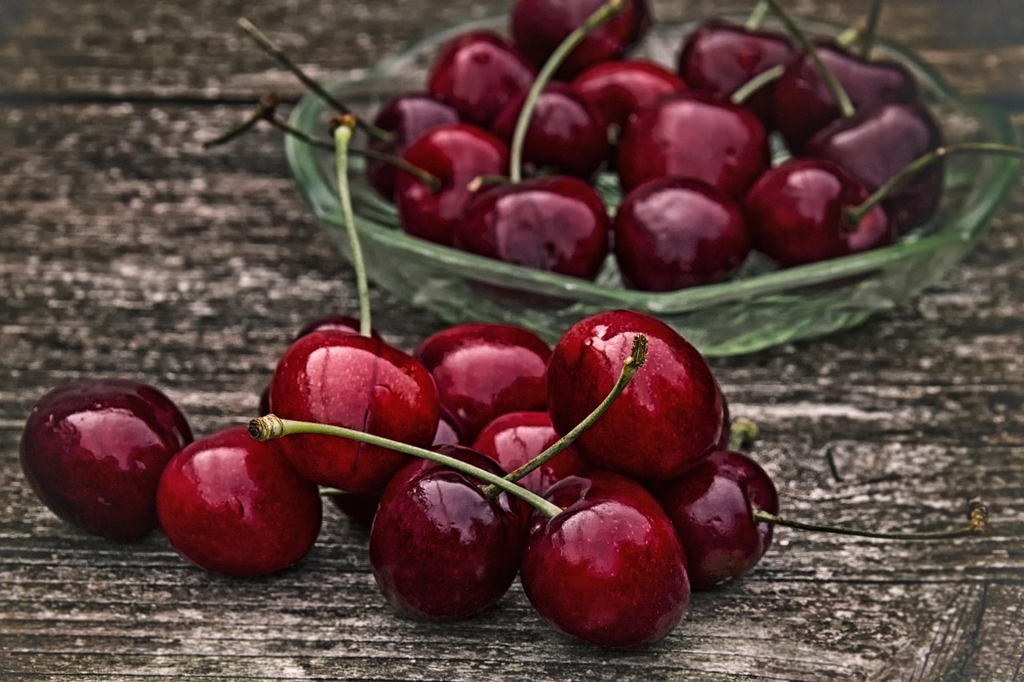
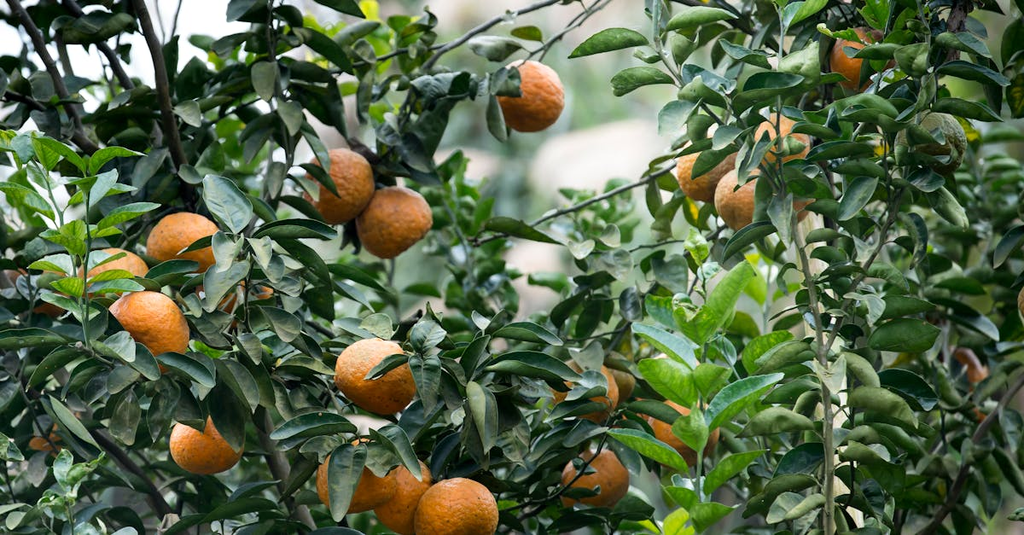
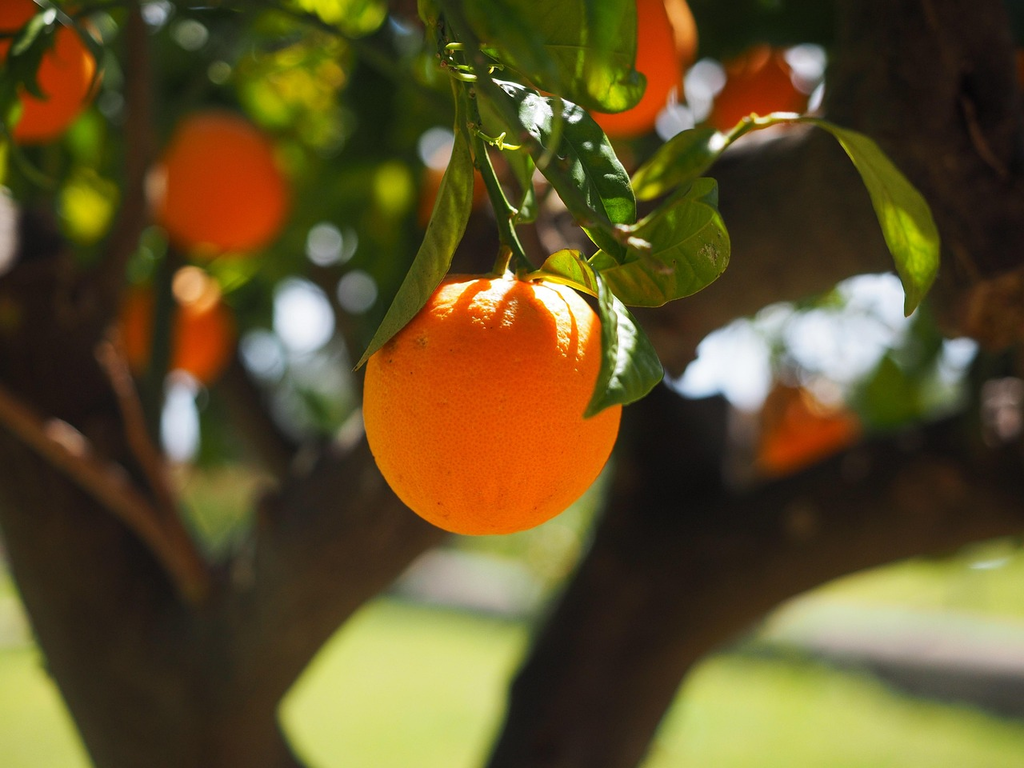
Orange tree varieties refer to the different types of orange-producing trees cultivated for their fresh, juicy fruits. These varieties include popular types like Valencia, Navel, and Blood oranges, each offering unique flavors and uses. The phrase also mentions cherries, highlighting the diversity of fruit trees grown for fresh consumption. Together, oranges and cherries represent a range of sweet, nutritious fruits enjoyed fresh, valued for their taste, vitamins, and culinary versatility.
Orange Tree Varieties
Orange tree varieties refer to the different types of orange-producing trees cultivated for their fresh, juicy fruits. These varieties include popular types like Valencia, Navel, and Blood oranges, each offering unique flavors and uses. The phrase also mentions cherries, highlighting the diversity of fruit trees grown for fresh consumption. Together, oranges and cherries represent a range of sweet, nutritious fruits enjoyed fresh, valued for their taste, vitamins, and culinary versatility.
💡 Key Takeaways
- Identify common orange tree varieties (Valencia, Navel, Cara Cara, Blood orange) and their signature traits.
- Understand how climate, sun exposure, soil, and water influence orange tree growth and fruit timing.
- Compare seedless vs seeded varieties and how this affects cultivation and culinary uses.
- Choose the right orange variety for your climate and goals (fresh eating vs juicing) and typical harvest windows.
❓ Frequently Asked Questions
What are the main categories of orange tree varieties?
Most oranges fall into sweet oranges (Citrus sinensis) and mandarins (Citrus reticulata). Popular types include Valencia and Navel (sweet), Clementine and Satsuma (mandarins), and pigmented blood oranges.
What is a Navel orange and why is it popular?
A seedless, easy-to-peel sweet orange with a small undeveloped fruit at the blossom end; prized for fresh eating and no seeds.
How are blood oranges different from regular orange varieties?
Blood oranges have red-to-pink flesh due to pigments (anthocyanins), often with a berry-like flavor, and they typically ripen in winter.
Which orange variety is commonly preferred for juicing?
Valencia oranges are favored for juice because they produce abundant juice and stay productive late in the season; navels are seedless but less suited for juicing.
What is a Seville orange and what is it used for?
Seville (bitter orange) is tart and aromatic, not eaten fresh; it’s commonly used for marmalade, flavorings, and extracts.