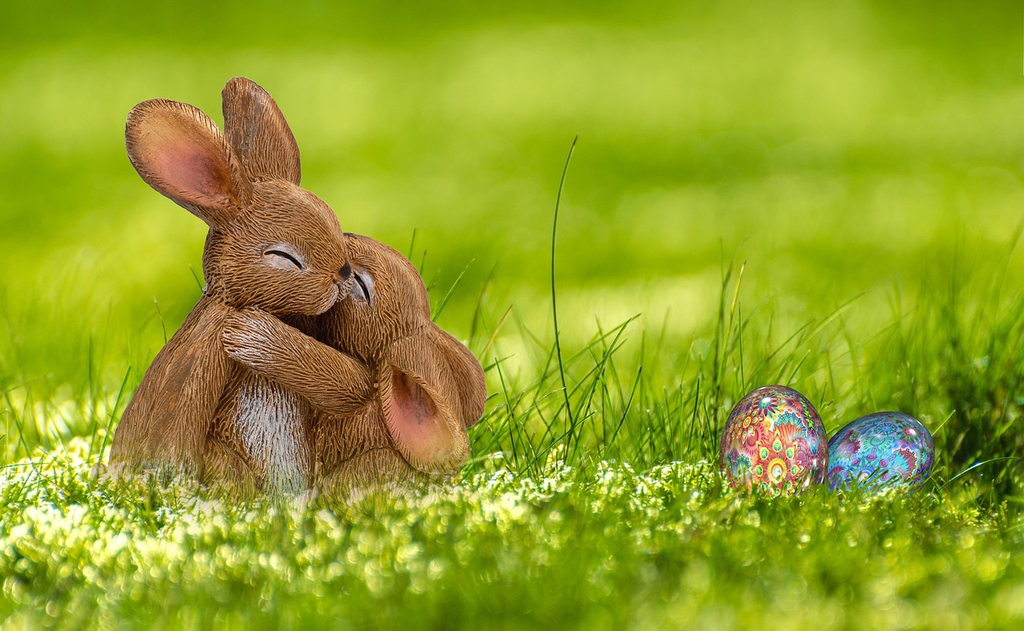
The Easter Bunny’s origins trace back to pre-Christian fertility traditions, where rabbits symbolized new life and rebirth due to their prolific nature. In medieval Europe, the hare became associated with the Virgin Mary and later merged with Easter celebrations as Christianity spread. German folklore introduced the “Osterhase,” a hare that laid colored eggs for children, and immigrants brought this tradition to America, where it evolved into the modern Easter Bunny delivering treats.
Origins of Easter Bunny
The Easter Bunny’s origins trace back to pre-Christian fertility traditions, where rabbits symbolized new life and rebirth due to their prolific nature. In medieval Europe, the hare became associated with the Virgin Mary and later merged with Easter celebrations as Christianity spread. German folklore introduced the “Osterhase,” a hare that laid colored eggs for children, and immigrants brought this tradition to America, where it evolved into the modern Easter Bunny delivering treats.
💡 Key Takeaways
- Trace the Easter Bunny's origins in German folklore (Osterhase) and its spread to other regions.
- Explain how eggs and nest-building traditions became linked to Easter and the bunny's egg-bringing role.
- Understand the symbolism of rabbits and eggs as signs of spring, fertility, and rebirth.
- Learn how the Easter Bunny was introduced to America by German immigrants and evolved into a modern Easter tradition.
❓ Frequently Asked Questions
What is the Easter Bunny and where did the idea originate?
The Easter Bunny is a folkloric figure said to bring Easter eggs. It originated in German folklore (the Osterhase) in the 17th–18th centuries and was later carried to the U.S. by German immigrants.
How did rabbits become linked to Easter?
Rabbits and hares are symbols of fertility and new life in many cultures; the egg-laying 'Osterhase' tale linked rabbits to Easter celebrations and spread through Europe and America.
Why are eggs associated with Easter, and how do they connect to the bunny?
Eggs symbolize new life and rebirth; in Christian tradition they also signify Jesus’ resurrection. Eggs are decorated and hidden by the Easter Bunny as part of Easter egg hunts.
Is the Easter Bunny part of Christian doctrine?
No. The Easter Bunny is a secular folkloric tradition, not a Biblical figure. It developed from European spring customs and became popular in the United States through immigration and commercialization.