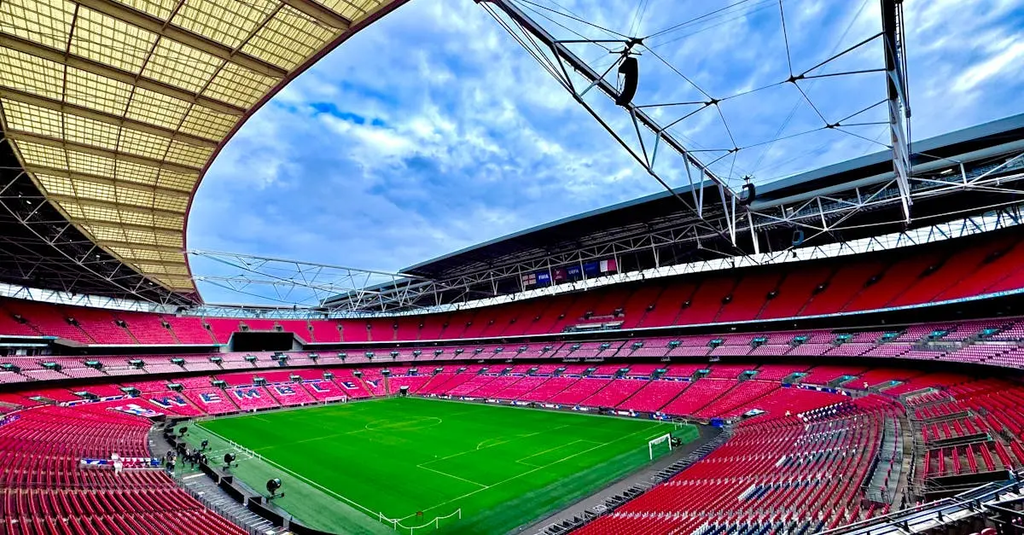
The origins of major UK sporting rivalries often stem from historical, geographical, or social factors. Many began due to local pride between neighboring cities or regions, such as the football rivalry between Manchester and Liverpool. Others are rooted in class divisions, political differences, or historical events, like the Old Firm rivalry in Glasgow. Over time, these rivalries have intensified through memorable matches, passionate fan bases, and media coverage, becoming central to the UK’s sporting culture.
Origins of major UK sporting rivalries
The origins of major UK sporting rivalries often stem from historical, geographical, or social factors. Many began due to local pride between neighboring cities or regions, such as the football rivalry between Manchester and Liverpool. Others are rooted in class divisions, political differences, or historical events, like the Old Firm rivalry in Glasgow. Over time, these rivalries have intensified through memorable matches, passionate fan bases, and media coverage, becoming central to the UK’s sporting culture.
💡 Key Takeaways
- Understand the main drivers of UK sports rivalries (history, geography, and social factors)
- See how local pride between neighboring cities (e.g., Manchester vs Liverpool) fuels rivalries
- Learn how class divisions and political differences have shaped rivalry intensity
- Recognize examples of major UK rivalries across sports and their origins
❓ Frequently Asked Questions
What factors commonly create major UK sports rivalries?
Rivalries often stem from historical competition between cities or regions, geographical proximity, social class or identity, political or religious differences, and repeated high-stakes matches that sharpen competition.
Why is the Manchester United vs Liverpool rivalry considered so fierce?
It blends industrial-era city rivalry, close geographic distance in the North West, and long battles for trophies and prestige, fed by passionate fanbases on both sides.
What drives the Arsenal vs Tottenham rivalry (North London derby)?
Proximity of the two clubs in North London, pride in local identity, and competition for local honours and dominance.
What makes Celtic vs Rangers (Old Firm) such a deep rivalry?
A century-long confrontation rooted in religious and political identities in Glasgow, reinforced by geographic closeness, shared history, and intense fan culture.