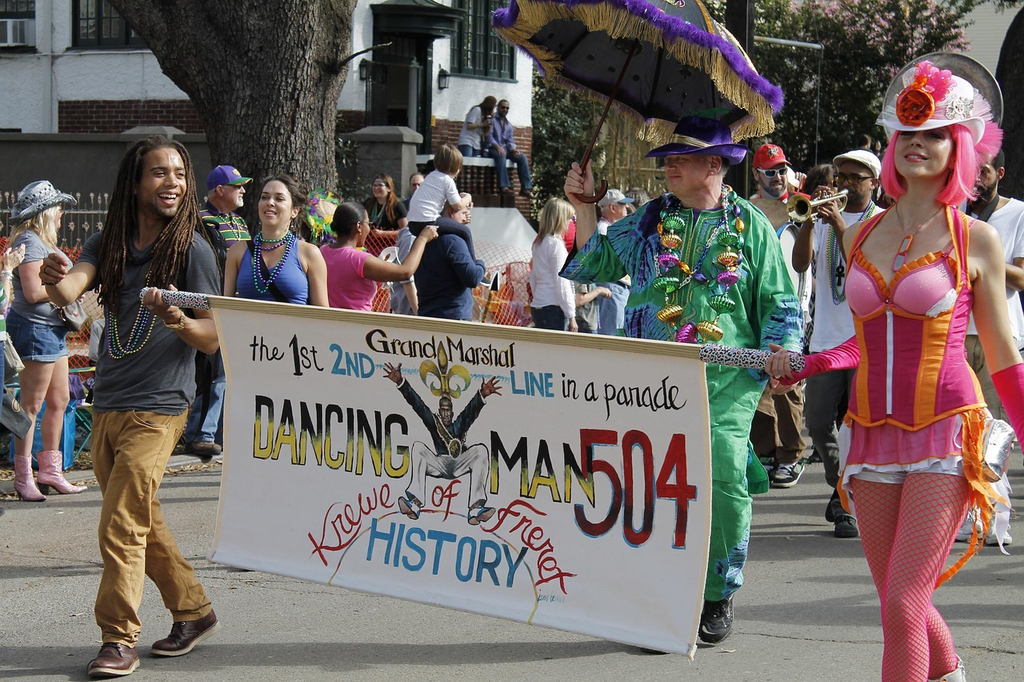
Mardi Gras, meaning "Fat Tuesday" in French, traces its origins to ancient Roman and medieval European celebrations marking the arrival of spring. These festivities merged with Christian traditions, becoming the last day of indulgence before Lent. French settlers brought Mardi Gras to North America in the 17th century, particularly to Louisiana. Over time, it evolved into a vibrant festival known for parades, masks, music, and revelry, especially in New Orleans.
Origins of Mardi Gras
Mardi Gras, meaning "Fat Tuesday" in French, traces its origins to ancient Roman and medieval European celebrations marking the arrival of spring. These festivities merged with Christian traditions, becoming the last day of indulgence before Lent. French settlers brought Mardi Gras to North America in the 17th century, particularly to Louisiana. Over time, it evolved into a vibrant festival known for parades, masks, music, and revelry, especially in New Orleans.

💡 Key Takeaways
- Trace Mardi Gras origins to medieval European Carnival traditions and the Catholic calendar
- Explain the meaning of 'Mardi Gras' and why it marks the final day of feasting before Lent
- Describe how Mardi Gras traveled to North America, especially to New Orleans, via French and Spanish colonization
- Identify the blend of religious, cultural, and regional influences that shaped modern Mardi Gras celebrations
❓ Frequently Asked Questions
What does Mardi Gras mean and where does the name come from?
Mardi Gras means 'Fat Tuesday' in French, signaling the last day of feasting before the season of Lent begins.
Where did Mardi Gras celebrations originate?
They originate from medieval Carnival traditions in Catholic Europe, especially France and Italy, and were later brought to the Americas.
When did New Orleans start its Mardi Gras, and what is a krewe?
New Orleans began celebrating Mardi Gras in the 18th–early 19th centuries; the first organized parade there was in 1837, and 'krewes' are social clubs that plan floats and parades.
How is Mardi Gras connected to Lent?
Mardi Gras is the final day of indulgence before Ash Wednesday and the 40-day Lenten fast begins the next day.
What symbols are commonly associated with Mardi Gras origins?
The traditional colors purple (justice), green (faith), and gold (power) were adopted for Mardi Gras; beads, masks, and floats are iconic elements of the celebrations.