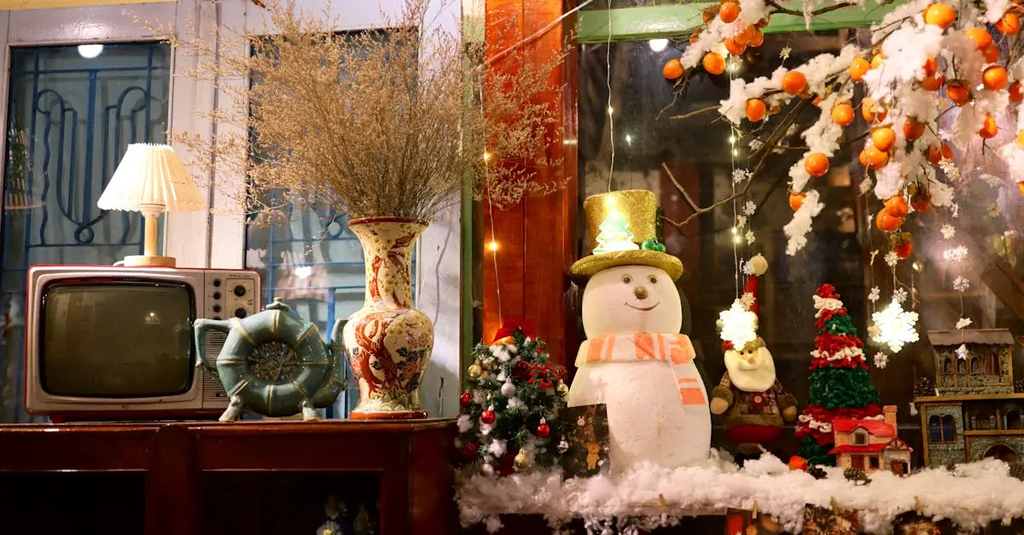
St. Nicholas Day, celebrated on December 6, honors St. Nicholas of Myra, a 4th-century bishop renowned for his generosity and kindness. The tradition began in Europe, where St. Nicholas was revered as a protector of children. In the Netherlands, his legend evolved into Sinterklaas, a festive figure arriving by boat and distributing gifts on December 5. These customs influenced the modern Santa Claus, blending folklore and Christian tradition.
Origins of St. Nicholas Day and Sinterklaas
St. Nicholas Day, celebrated on December 6, honors St. Nicholas of Myra, a 4th-century bishop renowned for his generosity and kindness. The tradition began in Europe, where St. Nicholas was revered as a protector of children. In the Netherlands, his legend evolved into Sinterklaas, a festive figure arriving by boat and distributing gifts on December 5. These customs influenced the modern Santa Claus, blending folklore and Christian tradition.
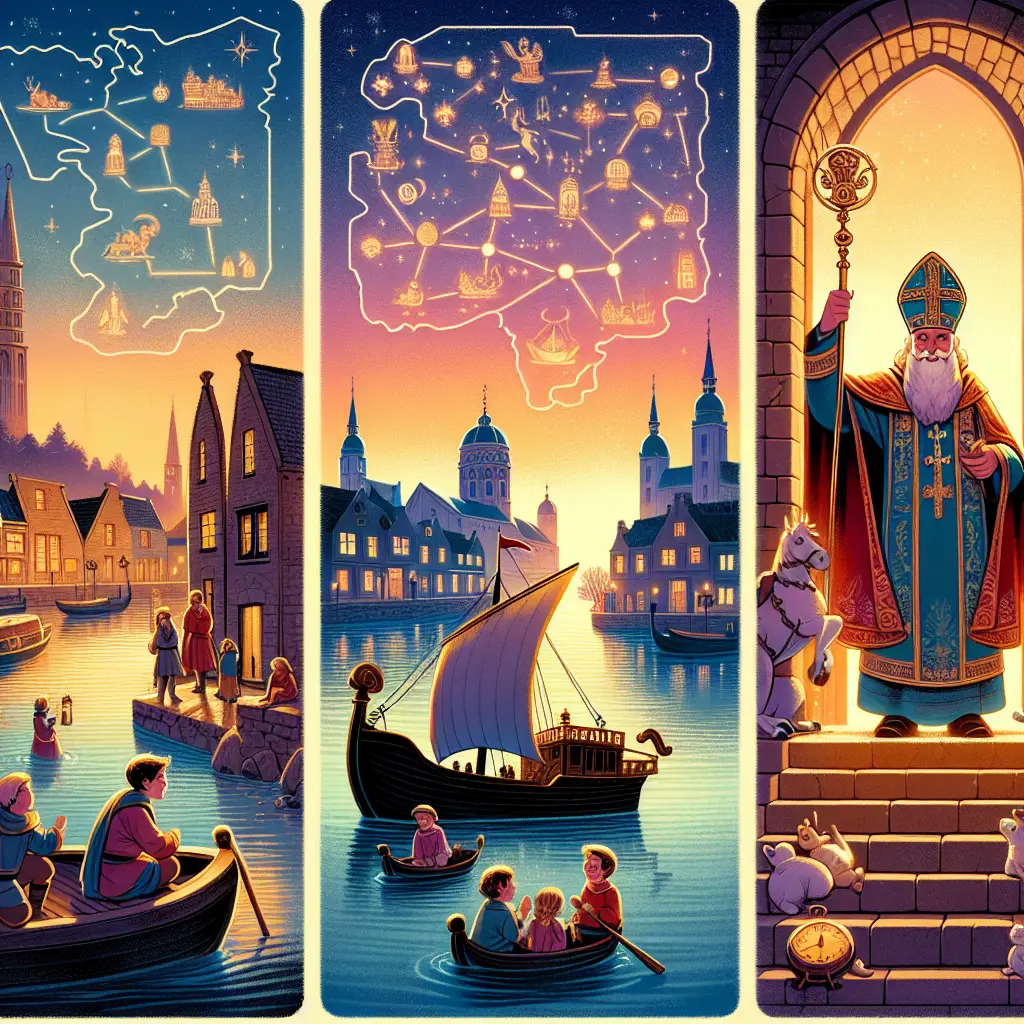
💡 Key Takeaways
- Trace the origins of St. Nicholas Day to the 4th-century bishop Nicholas of Myra and his reputation for generosity.
- Understand that St. Nicholas Day is celebrated on December 6 as a celebration of the protector of children in Europe.
- Explore how the Dutch legend of St. Nicholas evolved into Sinterklaas, the festive gift-bringer in the Netherlands.
- Identify the common theme of gift-giving to children that links St. Nicholas Day and Sinterklaas across European traditions.
❓ Frequently Asked Questions
What is St. Nicholas Day and when is it celebrated?
St. Nicholas Day honors St. Nicholas of Myra, a 4th‑century bishop known for generosity. It is celebrated on December 6 in many European countries, often with gifts and acts of kindness toward children.
Who was St. Nicholas of Myra?
St. Nicholas was a 4th‑century bishop from Myra (present-day Demre, Turkey) famed for charity and secret gift-giving, whose legends inspired modern Christmas gift traditions.
How did Sinterklaas develop in the Netherlands?
In the Netherlands, St. Nicholas evolved into Sinterklaas, a bishop‑like figure who brings gifts to children in late November/early December, with major celebrations on December 5th and 6th.
What is the difference between St. Nicholas Day, Sinterklaas, and Santa Claus?
St. Nicholas Day (December 6) honors the original saint in Europe; Sinterklaas is the Dutch version of that figure; Santa Claus is the Americanized, broader Christmas gift-bringer inspired by these traditions.