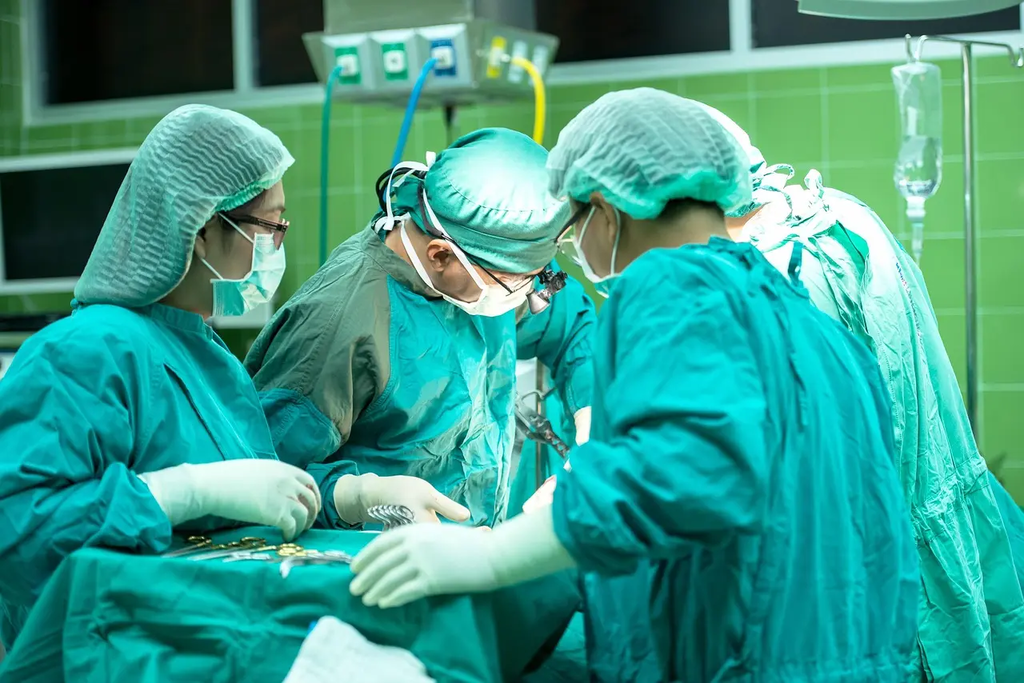
Orthopedics and Sports Medicine careers focus on diagnosing, treating, and preventing musculoskeletal injuries and disorders, particularly those related to bones, joints, muscles, and ligaments. Professionals in this field, such as orthopedic surgeons, sports medicine physicians, physical therapists, and athletic trainers, help patients recover from injuries, improve mobility, and enhance athletic performance. These careers require specialized medical training and often involve working with athletes, active individuals, and patients of all ages.
Orthopedics & Sports Medicine Careers
Orthopedics and Sports Medicine careers focus on diagnosing, treating, and preventing musculoskeletal injuries and disorders, particularly those related to bones, joints, muscles, and ligaments. Professionals in this field, such as orthopedic surgeons, sports medicine physicians, physical therapists, and athletic trainers, help patients recover from injuries, improve mobility, and enhance athletic performance. These careers require specialized medical training and often involve working with athletes, active individuals, and patients of all ages.
💡 Key Takeaways
- Explore career paths in orthopedics and sports medicine (surgeon, physician, physical therapist, athletic trainer).
- Understand the education and training steps for these careers (medical school, residencies/fellowships, or PT/ATC credentials).
- Learn essential skills like musculoskeletal assessment, imaging basics, rehabilitation planning, and injury prevention.
- Identify common work settings (hospitals, clinics, universities, and professional sports teams).
- See how these roles help athletes recover, stay healthy, and perform—emphasizing teamwork and ethics.
❓ Frequently Asked Questions
What is orthopedics and what conditions do orthopedic surgeons treat?
Orthopedics is a medical specialty focused on the musculoskeletal system. Orthopedic surgeons treat bones, joints, ligaments, tendons, and muscles—for example fractures, arthritis, congenital deformities, and sports injuries.
What is sports medicine and how does it relate to orthopedics?
Sports medicine focuses on prevention, diagnosis, treatment, and rehabilitation of sports-related injuries. It often works with orthopedics to care for athletes, emphasizing non-surgical care and performance recovery.
What education and training are typical for a career in orthopedics & sports medicine?
Path usually includes medical school, followed by an orthopedic surgery residency (about 5 years), then a fellowship in sports medicine or a subspecialty, with board certification common.
What skills are important for success in these careers?
Strong knowledge of anatomy and biomechanics, precise surgical and diagnostic skills, good patient communication, teamwork, and a focus on rehabilitation and injury prevention.