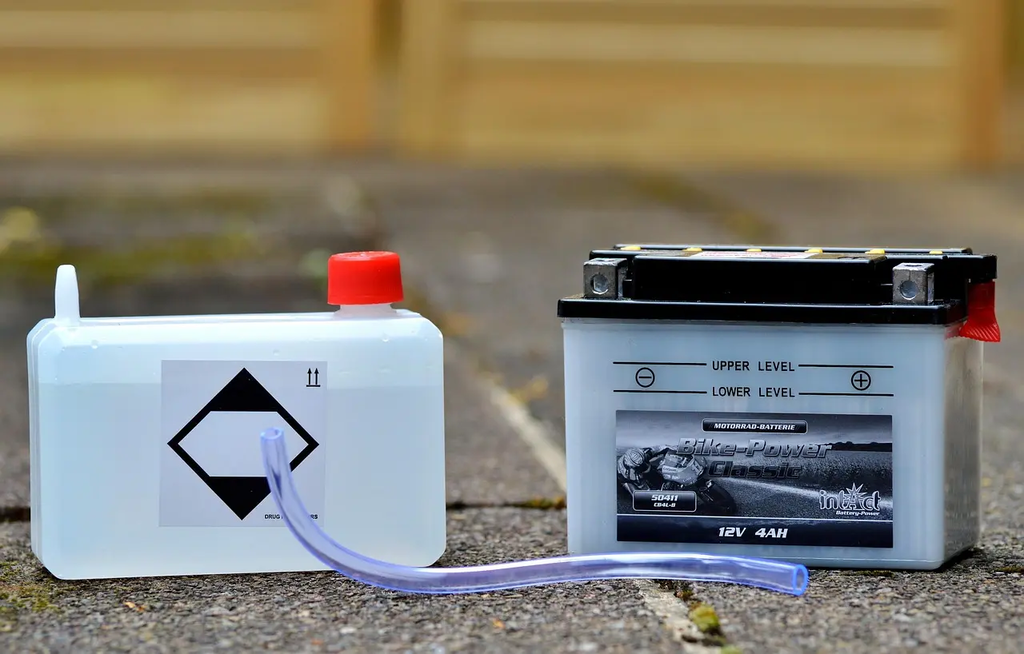
Outage planning for power and internet failover involves preparing strategies to maintain critical operations during unexpected disruptions. It includes identifying essential systems, setting up backup power sources like generators or batteries, and arranging alternative internet connections such as mobile hotspots or secondary ISPs. The goal is to minimize downtime, protect data integrity, and ensure continuous access to vital services, allowing organizations to operate smoothly despite outages.
Outage Planning: Power and Internet Failover
Outage planning for power and internet failover involves preparing strategies to maintain critical operations during unexpected disruptions. It includes identifying essential systems, setting up backup power sources like generators or batteries, and arranging alternative internet connections such as mobile hotspots or secondary ISPs. The goal is to minimize downtime, protect data integrity, and ensure continuous access to vital services, allowing organizations to operate smoothly despite outages.

💡 Key Takeaways
- Identify essential systems and devices to protect during power and internet outages.
- Choose backup power options (UPS, portable batteries, generators) and understand estimated runtime and load requirements.
- Explore internet failover methods (cellular hotspot, fixed wireless, satellite) and how to test switchovers.
- Create an outage plan with clear roles, steps, contacts, and a communication strategy.
- Regularly test, update, and maintain backups to ensure readiness during real disruptions.
❓ Frequently Asked Questions
What is outage planning in the context of home tech?
Outage planning is preparing strategies to keep essential devices and services running during power or internet disruptions, including identifying critical devices, backup power, and alternative connectivity.
Which systems should you identify as essential during an outage?
Prioritize devices and services like your router/modem, essential computers or work equipment, lighting, security or alarm systems, and any medical devices if needed.
What backup power options can sustain internet and essential devices?
Options include uninterruptible power supplies (UPS) for short outages, portable generators for longer outages, and battery-backed systems or solar storage to keep key gear powered.
How can you arrange reliable internet during an outage?
Have a cellular hotspot or mobile data plan, a backup router with its own battery, and, if feasible, alternative services like satellite or fixed wireless as a fallback.