Outpatient care refers to medical services provided without requiring an overnight hospital stay, such as check-ups, minor surgeries, or therapy sessions. In contrast, inpatient care involves patients being admitted to a hospital for at least one night, often for surgeries, serious illnesses, or intensive monitoring. Careers in outpatient settings may include clinic nurses, therapists, or medical assistants, while inpatient roles often involve hospital-based physicians, nurses, and specialized care teams managing more complex patient needs.
Outpatient vs Inpatient Care Models
Outpatient care refers to medical services provided without requiring an overnight hospital stay, such as check-ups, minor surgeries, or therapy sessions. In contrast, inpatient care involves patients being admitted to a hospital for at least one night, often for surgeries, serious illnesses, or intensive monitoring. Careers in outpatient settings may include clinic nurses, therapists, or medical assistants, while inpatient roles often involve hospital-based physicians, nurses, and specialized care teams managing more complex patient needs.
💡 Key Takeaways
- Define outpatient and inpatient care and explain the core differences between them.
- Identify typical settings and services for outpatient care versus inpatient care.
- Explain factors that influence the choice between outpatient and inpatient care (treatment type, safety, recovery needs).
- Understand cost, scheduling, and billing implications of each care model.
- Recognize examples of procedures or conditions best managed as outpatient versus those that require inpatient admission.
❓ Frequently Asked Questions
What is inpatient care?
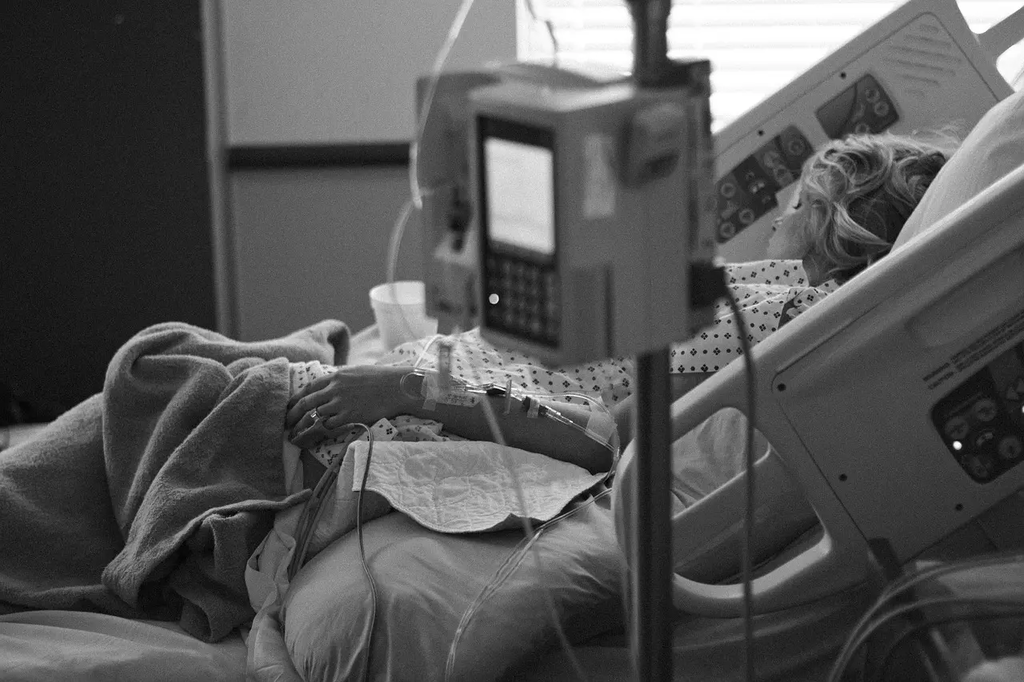
Inpatient care is care provided in a hospital or facility where the patient stays overnight or longer, with continuous monitoring and access to full hospital services.
What is outpatient care?
Outpatient care includes services like clinics, day surgeries, or observation that do not require an overnight stay; patients come in for treatment and go home the same day.
What factors influence whether care is inpatient or outpatient?
Severity and stability of the condition, need for continuous monitoring or intensive resources, planned procedures, risk of complications, and the patient’s home support and ability to recover safely.
What are common advantages of outpatient care?
Lower costs, shorter or no hospital stay, reduced risk of hospital-acquired infections, and greater convenience for many patients.