Over-the-Air (OTA) Updates & Rollback in digital electronics and computing refer to the wireless delivery and installation of software or firmware updates to devices, such as smartphones or IoT gadgets. OTA updates allow manufacturers to enhance features, fix bugs, or patch security flaws remotely. The rollback feature enables devices to revert to a previous version if an update causes issues, ensuring stability and minimizing downtime without requiring physical access to the device.
Over-the-Air (OTA) Updates & Rollback
Over-the-Air (OTA) Updates & Rollback in digital electronics and computing refer to the wireless delivery and installation of software or firmware updates to devices, such as smartphones or IoT gadgets. OTA updates allow manufacturers to enhance features, fix bugs, or patch security flaws remotely. The rollback feature enables devices to revert to a previous version if an update causes issues, ensuring stability and minimizing downtime without requiring physical access to the device.
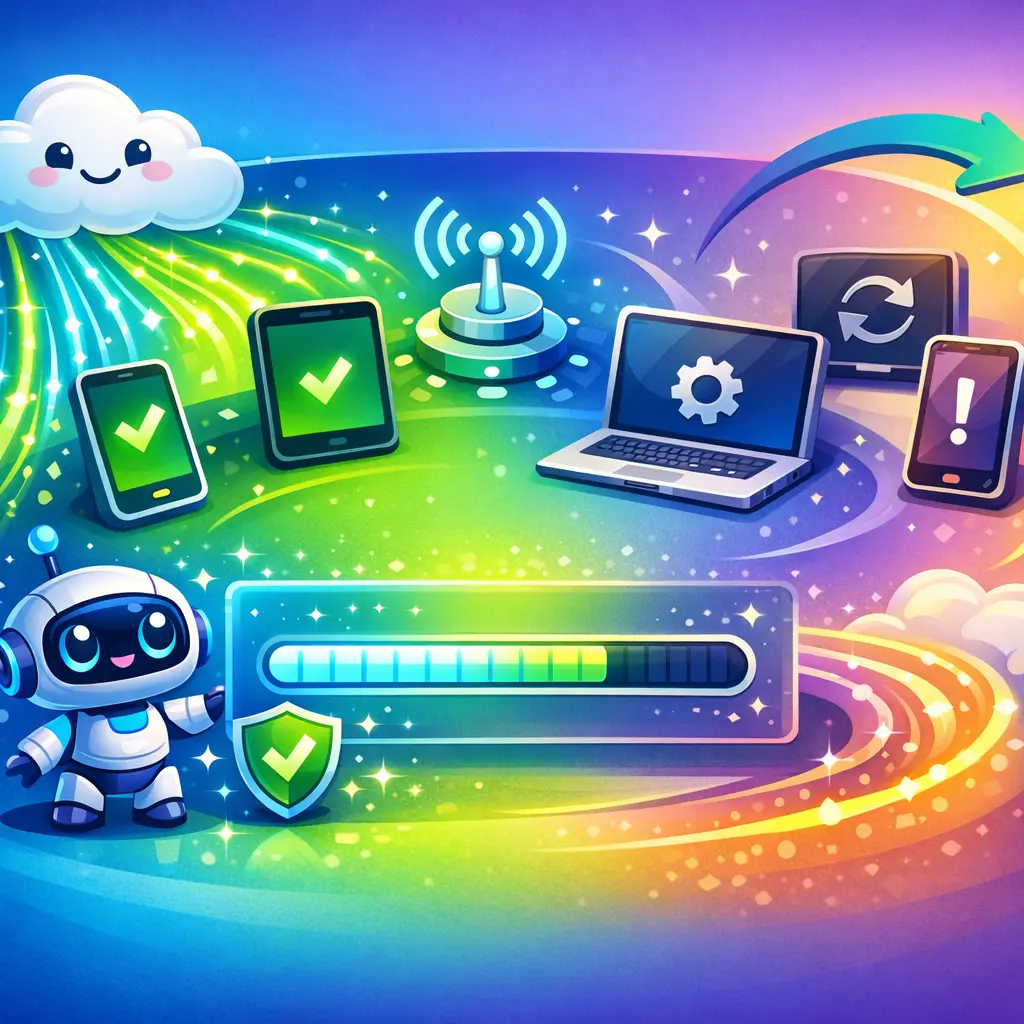
💡 Key Takeaways
- Understand what OTA updates are and why they are used to deliver software and firmware remotely.
- Learn how OTA updates are delivered and applied, including verification, delta patches, and staged rollouts.
- Grasp the rollback concept: how devices revert to a known-good version if an update fails or causes issues.
- Identify best practices and potential risks for OTA updates and rollbacks (signing, version checks, and minimizing downtime).
❓ Frequently Asked Questions
What is an Over-the-Air (OTA) update?
OTA is a wireless method to deliver software/firmware updates to devices, so they stay secure and up to date without needing physical access.
How do OTA updates typically work?
The device checks for updates, downloads the package, verifies integrity and authenticity, applies the update (often via a bootloader or separate partition), and reboots to run the new software.
What is a rollback in OTA updates?
A rollback reverts the device to a known-good previous version if the new update fails or causes issues, minimizing downtime and risk of bricking the device.
How can OTA updates be made safer and more reliable?
Use signed updates, atomic install processes, built-in rollback, staged rollout, and thorough testing to protect data and ensure recoverability if problems occur.