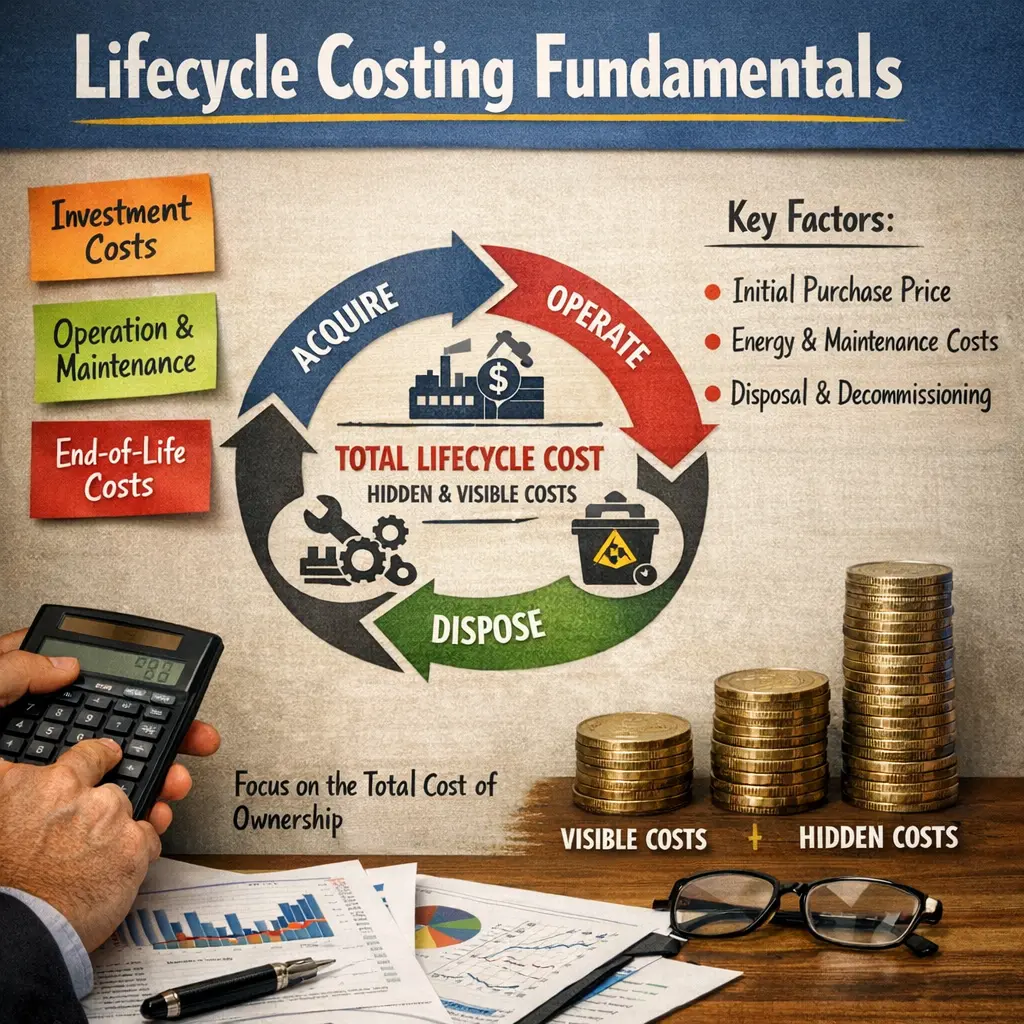
Overhead allocation methods are techniques used in financial management and business practices to distribute indirect costs, such as utilities, rent, and administrative expenses, across different departments, products, or projects. These methods ensure that each cost center or product bears a fair share of overhead costs, improving accuracy in product costing and financial reporting. Common approaches include direct labor hours, machine hours, and activity-based costing, each offering varying levels of precision and complexity.
Overhead Allocation Methods
Overhead allocation methods are techniques used in financial management and business practices to distribute indirect costs, such as utilities, rent, and administrative expenses, across different departments, products, or projects. These methods ensure that each cost center or product bears a fair share of overhead costs, improving accuracy in product costing and financial reporting. Common approaches include direct labor hours, machine hours, and activity-based costing, each offering varying levels of precision and complexity.

💡 Key Takeaways
- Understand the purpose of overhead allocation and how indirect costs are assigned to products or services.
- Compare traditional overhead allocation methods (e.g., rate based on direct labor hours) with activity-based costing (ABC) and when to use each.
- Identify common allocation bases (direct labor hours, machine hours, units, or activity drivers) and how they affect costing accuracy.
- Learn how to compute and apply overhead rates (predetermined or actual) and how to handle over- or under-allocated overhead in financial reporting.
❓ Frequently Asked Questions
What is overhead allocation?
Overhead allocation assigns indirect costs (like utilities, depreciation, and indirect labor) to products, services, or cost centers using a chosen cost driver or allocation base.
What is the difference between plant-wide and departmental overhead rates?
Plant-wide uses a single rate for all products; departmental rates apply separate rates in each department, often based on different drivers, for more accurate cost allocation.
What is Activity-Based Costing (ABC)?
ABC assigns overhead costs to products based on activities that consume resources, using multiple cost pools and drivers to improve accuracy.
What are common methods to allocate service department costs?
Common methods include the direct method (ignore mutual services), the step-down method (allocate sequentially), and the reciprocal method (algebraic allocation of mutual services) to operating departments.