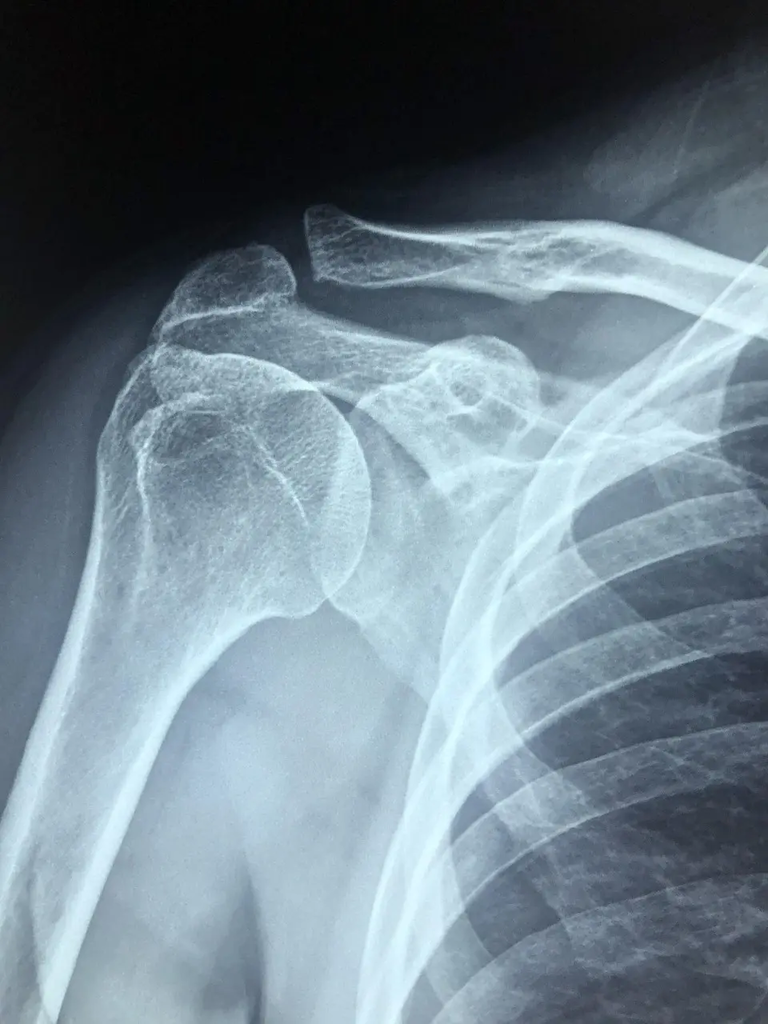
Overtraining, Relative Energy Deficiency, and Burnout are interconnected conditions often seen in athletes and active individuals. Overtraining occurs when physical activity exceeds the body’s ability to recover, leading to fatigue and decreased performance. Relative Energy Deficiency results from inadequate caloric intake relative to energy expended, impairing physiological functions. Burnout refers to emotional and physical exhaustion from prolonged stress or excessive training, causing loss of motivation and increased risk of injury or illness.
Overtraining, Relative Energy Deficiency, and Burnout
Overtraining, Relative Energy Deficiency, and Burnout are interconnected conditions often seen in athletes and active individuals. Overtraining occurs when physical activity exceeds the body’s ability to recover, leading to fatigue and decreased performance. Relative Energy Deficiency results from inadequate caloric intake relative to energy expended, impairing physiological functions. Burnout refers to emotional and physical exhaustion from prolonged stress or excessive training, causing loss of motivation and increased risk of injury or illness.
💡 Key Takeaways
- Define and differentiate Overtraining, Relative Energy Deficiency in Sport (RED-S), and burnout, and explain how they interconnect in athletes.
- Recognize common signs and symptoms of overtraining, RED-S, and burnout and know when to seek help.
- Understand how energy availability and nutrition affect RED-S risk and overall performance.
- Learn practical prevention and management strategies, including periodization, rest and recovery, sleep, stress management, and gradual return-to-training.
❓ Frequently Asked Questions
What is overtraining?
Overtraining occurs when training load exceeds the body’s ability to recover, causing prolonged fatigue, performance decline, and higher injury risk. It results from too much training, too little rest, or added stress.
What is Relative Energy Deficiency in Sport (RED-S)?
RED-S is when energy intake is not enough to support training and daily functions, leading to hormonal changes, immune and bone-health issues, menstrual changes in women, and reduced performance. It’s broader than the old female-only triad.
How are overtraining, RED-S, and burnout connected?
They all involve an imbalance between training, energy, recovery, and stress. Excess training with insufficient fueling or rest can cause persistent fatigue, mood changes, injuries, and reduced motivation, and these issues can occur together.
How can you prevent or manage these conditions?
Plan training with gradual progression and regular rest days; ensure adequate energy intake (calories and protein) and hydration; prioritize sleep (7–9 hours); manage stress and recovery activities; and seek guidance from a coach, nutritionist, or physician if symptoms persist.
What are common signs you should seek help or adjust training for?
Persistent fatigue, sleep disturbances, ongoing muscle soreness, performance decline, mood changes or burnout feelings, frequent injuries, or menstrual changes in women. If these occur, pause aggressive training and consult a professional.