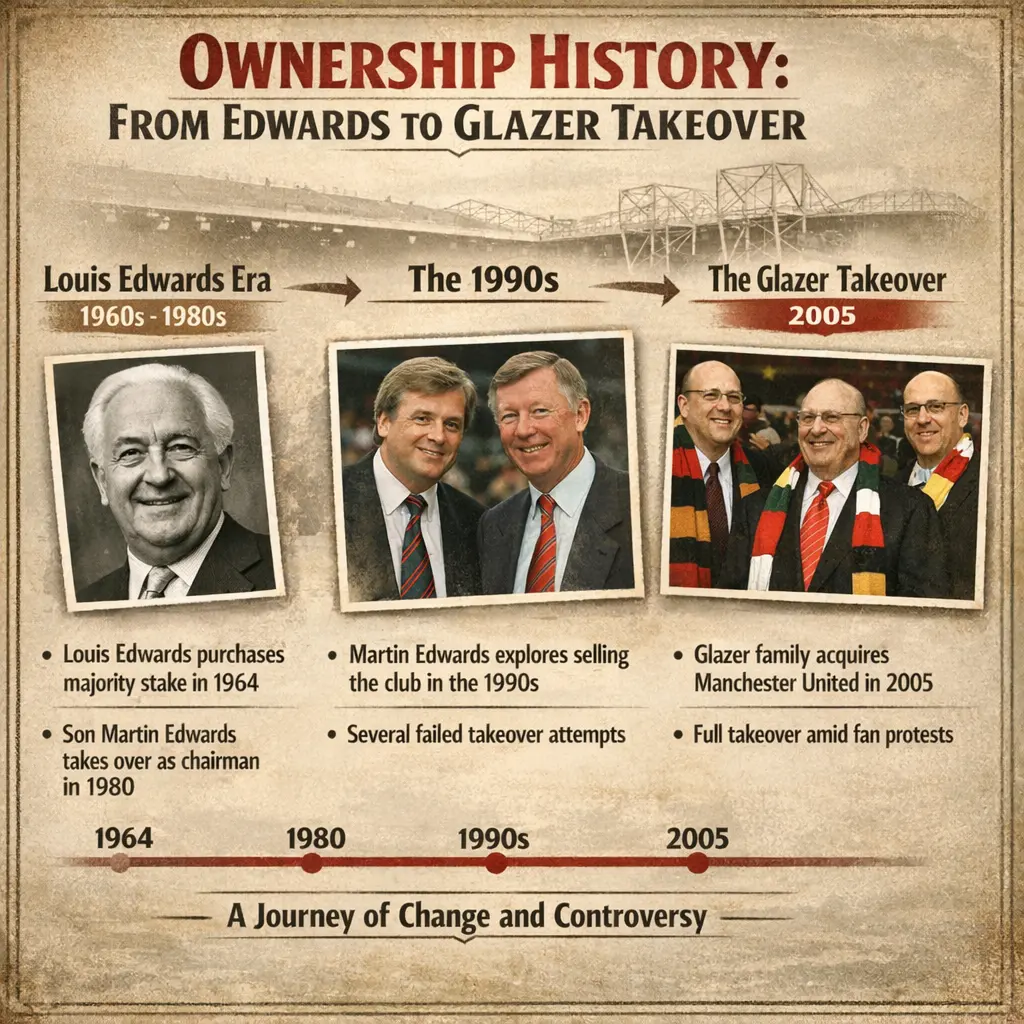
The Glazer family acquired Manchester United F.C. in 2005 through a leveraged buyout, placing significant debt on the club. This financial strategy sparked controversy among fans concerned about rising repayments and reduced investment in the team. In 2012, the Glazers listed Manchester United on the New York Stock Exchange (NYSE) through an Initial Public Offering (IPO), raising capital but retaining majority control, further fueling debates over club ownership and financial priorities.
Ownership and Finance: Glazers, Debt, and the NYSE IPO
The Glazer family acquired Manchester United F.C. in 2005 through a leveraged buyout, placing significant debt on the club. This financial strategy sparked controversy among fans concerned about rising repayments and reduced investment in the team. In 2012, the Glazers listed Manchester United on the New York Stock Exchange (NYSE) through an Initial Public Offering (IPO), raising capital but retaining majority control, further fueling debates over club ownership and financial priorities.
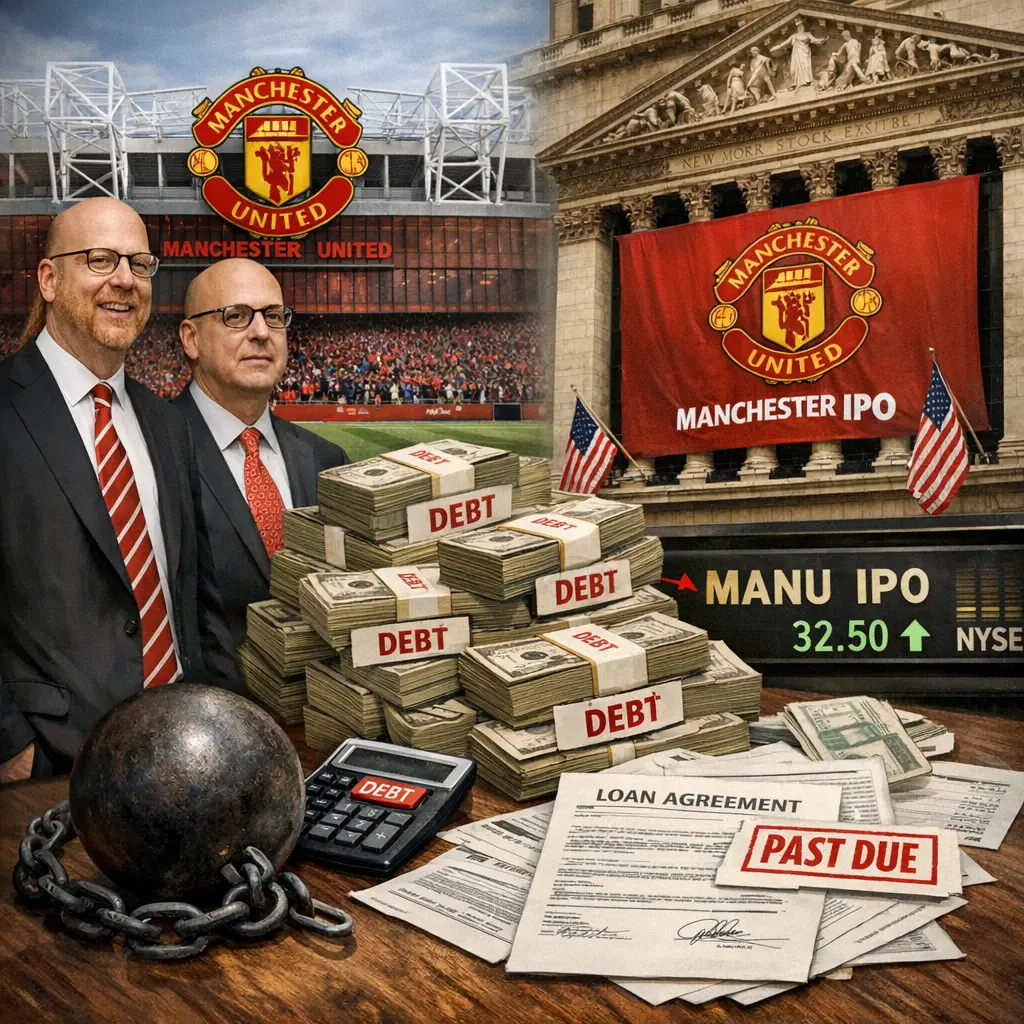
💡 Key Takeaways
- Identify who the Glazer family is and how their ownership model uses debt to acquire and finance control of a club.
- Explain leverage and debt financing and how it affects balance sheets, cash flow, and risk for the owner and the business.
- Describe what an NYSE IPO entails, why a company might go public, and what changes in ownership and governance occur as a result.
- Assess potential implications of debt-fueled ownership and an IPO on fans, stakeholders, and long‑term valuation and control.
❓ Frequently Asked Questions
Who are the Glazer family and what is their role in ownership of a company?
The Glazer family is a wealthy American business family known for investing in sports teams and other companies. They gained attention for acquiring Manchester United in a leveraged deal in 2005, financing the purchase largely with debt. Their holding company controls ownership and debt arrangements associated with the assets.
What is a leveraged buyout (LBO) and how does it affect ownership and debt?
An LBO uses borrowed money to buy a company, with the target's cash flows and assets often used as collateral. The buyers contribute some equity and borrow most of the purchase price, placing debt on the company’s balance sheet and concentrating ownership risk with the new owners.
What is an IPO on the NYSE?
An initial public offering (IPO) is when a private company sells shares to the public for the first time. Listing on the NYSE means those shares are traded on the New York Stock Exchange, helping the company raise capital and provide liquidity for shareholders.
What is the difference between debt financing and equity financing?
Debt financing borrows money that must be repaid with interest and typically does not dilute ownership. Equity financing raises capital by selling shares, which dilutes ownership but does not require repayment.