The phrase refers to the numerous islands, atolls, and battlefield sites in the Pacific Ocean where significant World War II conflicts occurred between Allied and Japanese forces. Many of these locations, such as Guam, Saipan, and Kwajalein Atoll, came under U.S. control during or after the war. Today, they remain under U.S. stewardship, serving as historical sites, military bases, and memorials commemorating the sacrifices and events of the Pacific theater.
Pacific WWII Battlefields and Atolls under U.S. Stewardship
The phrase refers to the numerous islands, atolls, and battlefield sites in the Pacific Ocean where significant World War II conflicts occurred between Allied and Japanese forces. Many of these locations, such as Guam, Saipan, and Kwajalein Atoll, came under U.S. control during or after the war. Today, they remain under U.S. stewardship, serving as historical sites, military bases, and memorials commemorating the sacrifices and events of the Pacific theater.
💡 Key Takeaways
- Identify key Pacific battlefields and atolls that came under U.S. stewardship (e.g., Guam, Saipan, Kwajalein) during and after WWII.
- Understand the strategic role of island hopping and how these sites influenced Allied offensives.
- Learn how U.S. control of these territories evolved during and after the war, shaping postwar boundaries and governance.
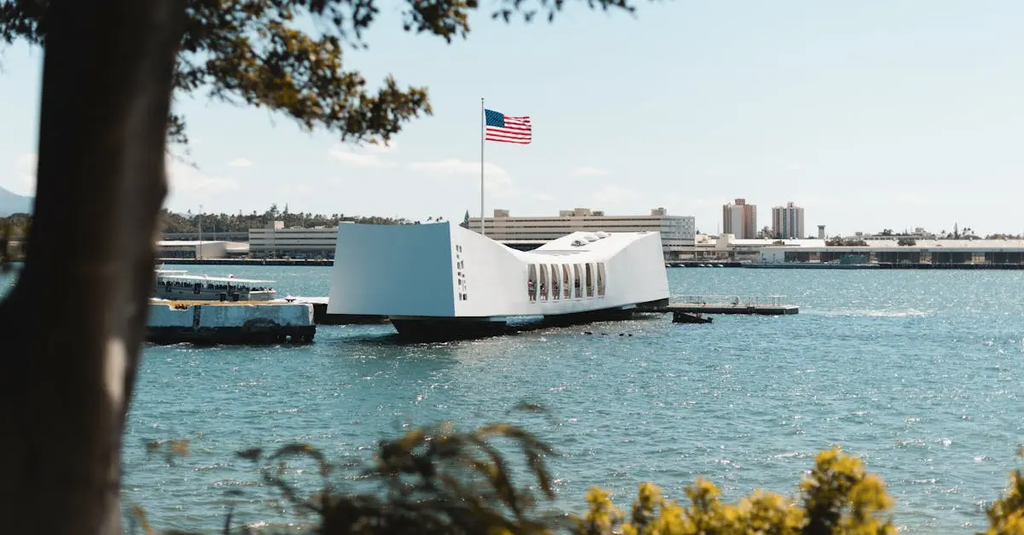
- Explore how these locations today function as iconic landmarks and hidden gems, including memorials, museums, and preserved wrecks.
❓ Frequently Asked Questions
Which areas in the Pacific are commonly cited as WWII battlefields under U.S. stewardship?
Examples include Guam, Saipan, Tinian, Kwajalein Atoll, Iwo Jima, and Okinawa, with Palau and other island groups administered by the U.S. after the war.
What does 'stewardship' mean in this context?
It refers to postwar U.S. governance and preservation of these sites, protecting memorials and relics and providing education about the battles.
Why are these sites described as iconic landmarks or hidden gems?
They mark decisive battles and house memorials, cemeteries, and relics; some are well-known landmarks, while others offer off-the-beaten-path historical insight.
How should visitors approach these historical sites?
Be respectful: follow rules, stay on designated paths, don't disturb relics, and consider guided tours to learn the full history.