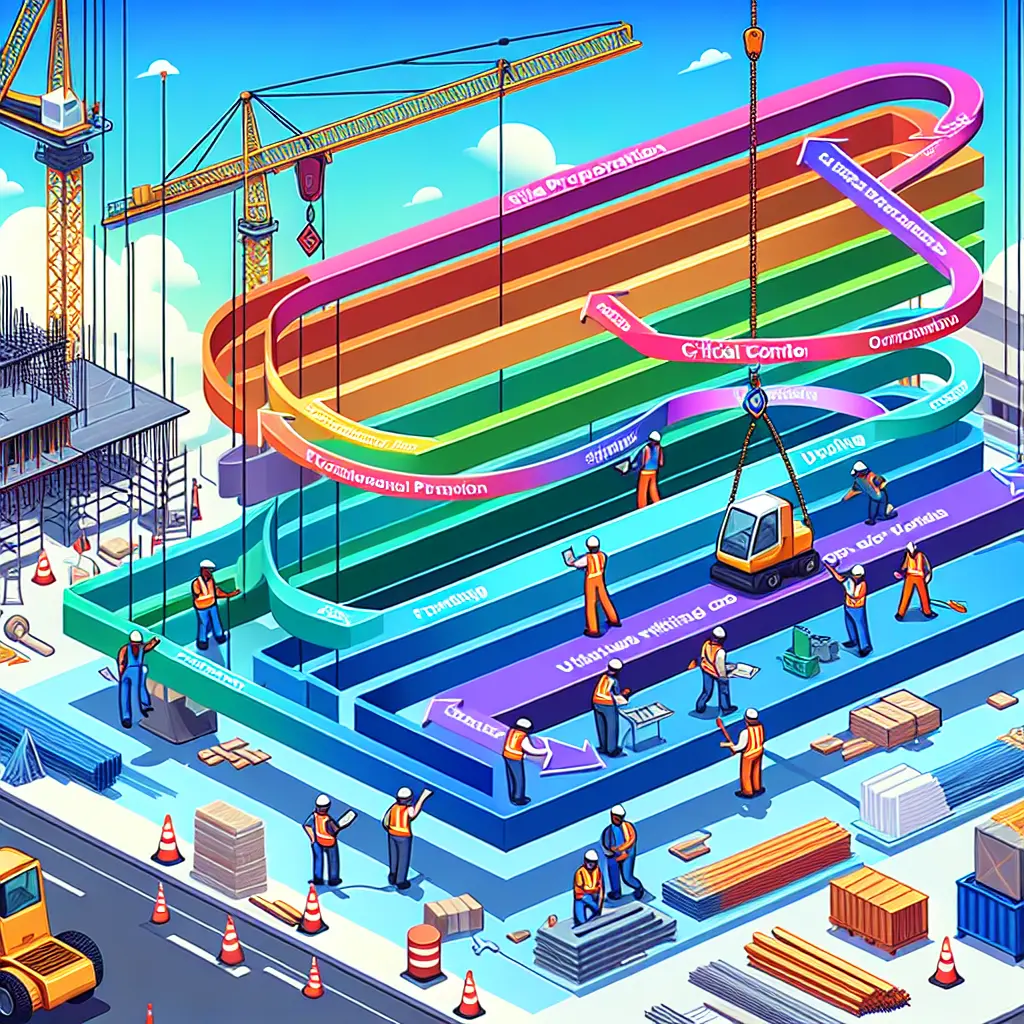
Package delivery routes refer to the planned paths or sequences that delivery vehicles follow to transport packages from a distribution center to their final destinations, such as homes or businesses. These routes are designed to maximize efficiency, minimize travel time and fuel consumption, and ensure timely deliveries. They often utilize route optimization software that considers factors like traffic, distance, delivery windows, and package priority to create the most effective delivery schedule.
Package Delivery Routes
Package delivery routes refer to the planned paths or sequences that delivery vehicles follow to transport packages from a distribution center to their final destinations, such as homes or businesses. These routes are designed to maximize efficiency, minimize travel time and fuel consumption, and ensure timely deliveries. They often utilize route optimization software that considers factors like traffic, distance, delivery windows, and package priority to create the most effective delivery schedule.
💡 Key Takeaways
- Understand the purpose of package delivery routes and how they connect a distribution center to homes and businesses.
- Learn how routes are designed to maximize efficiency, minimize travel time, and reduce fuel consumption.
- Explore common routing approaches and optimization techniques used in trades and field jobs (static planning vs dynamic routing).
- Recognize key constraints and trade-offs in route planning, including delivery windows, vehicle capacity, driver hours, and traffic.
❓ Frequently Asked Questions
What is the purpose of optimized delivery routes?
To plan the order and path of stops so packages are delivered efficiently, reducing travel time, distance, and fuel use while meeting delivery windows.
What factors are considered when designing delivery routes?
Stop sequence, vehicle capacity, delivery time windows, traffic, road restrictions, geography, safety, fuel efficiency, and driver hours.
How do route optimization tools help field workers?
They compute the best route, adapt to real-time conditions, assign stops to drivers, and provide directions to minimize delays.
What is last-mile delivery and why is it important?
The final leg from the distribution center to the customer’s address. It’s often the most expensive and time-sensitive part, so good routing saves costs and improves service.
How does real-time traffic affect route planning?
Live traffic data can change the optimal stop order; dynamic routing reroutes to avoid congestion and reduce delays.