Packaging design refers to the creation of visually appealing and functional packaging that protects products and attracts consumers. It involves elements like graphics, materials, and structure to communicate brand identity and product information. Retail environments encompass the physical spaces where products are displayed and sold, focusing on layout, lighting, signage, and ambiance to enhance the shopping experience and influence customer behavior. Both work together to drive sales and brand recognition.
Packaging Design & Retail Environments
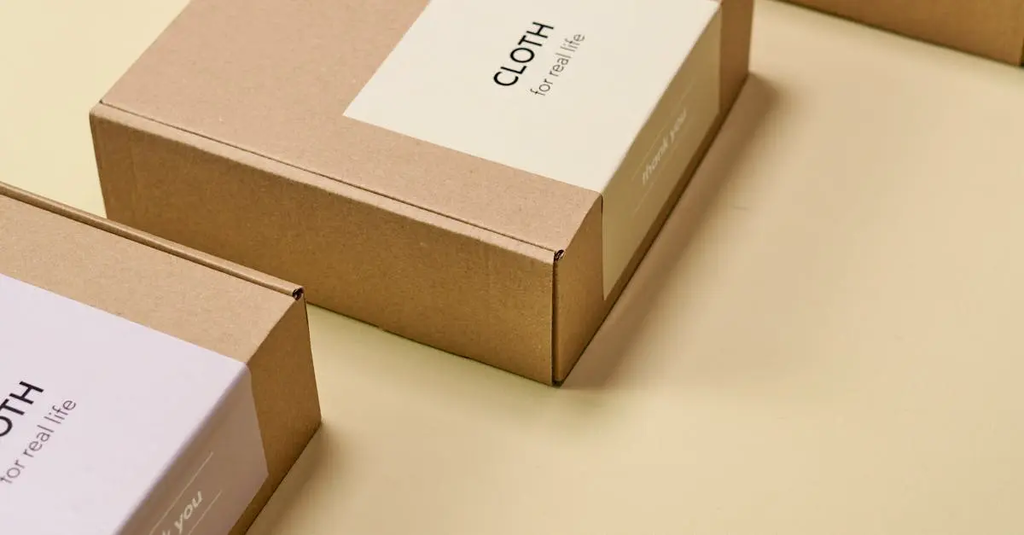
Packaging design refers to the creation of visually appealing and functional packaging that protects products and attracts consumers. It involves elements like graphics, materials, and structure to communicate brand identity and product information. Retail environments encompass the physical spaces where products are displayed and sold, focusing on layout, lighting, signage, and ambiance to enhance the shopping experience and influence customer behavior. Both work together to drive sales and brand recognition.
💡 Key Takeaways
- Understand how packaging visuals, typography, and materials communicate brand identity and product information.
- Learn how packaging structure and materials protect the product while supporting sustainability goals.
- Explore how packaging design influences consumer perception, shelf appeal, and brand storytelling in retail spaces.
- Recognize how packaging and retail environments align through displays, planograms, and shopper experience.
❓ Frequently Asked Questions
What is packaging design and why is it important?
Packaging design creates the visuals and structure around a product to protect it, convey brand identity, provide essential information, and influence consumer choice.
What elements are commonly involved in packaging design?
Graphics, typography, color, materials, shape/structure, and labeling information (ingredients, instructions, barcodes).
How do retail environments affect packaging design?
Store lighting, shelves, and displays influence readability and visibility; packaging should stand out and be legible at shelf distance and fit display systems.
How does packaging contribute to the overall brand experience in retail?
Packaging conveys brand values, supports in-store visuals, and helps communicate product benefits, reinforcing identity and encouraging repeat purchases.