

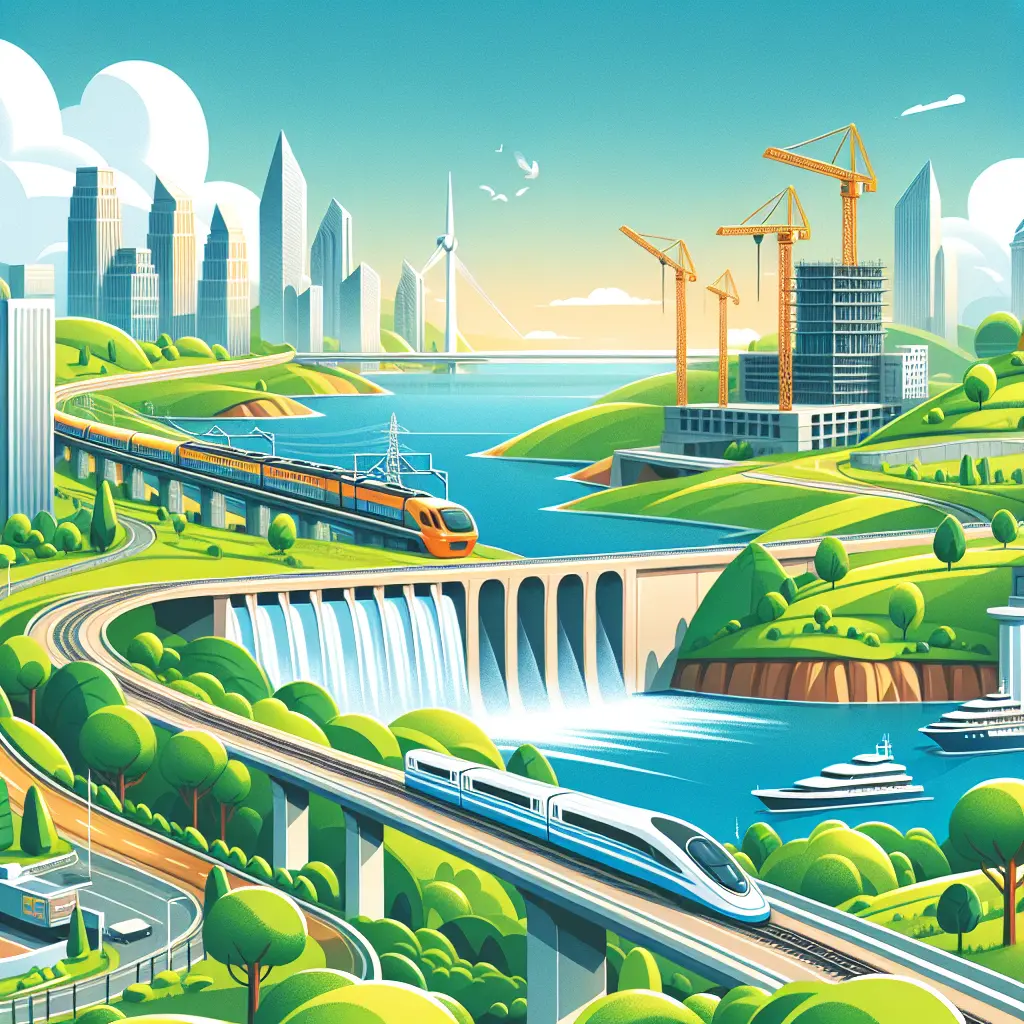
Pakistan infrastructure projects encompass a wide range of development initiatives aimed at improving the country’s transportation, energy, water, and communication networks. These projects include the construction of highways, railways, dams, power plants, and urban development schemes. Many are part of the China-Pakistan Economic Corridor (CPEC), which seeks to boost economic growth and regional connectivity. Such projects are vital for Pakistan’s economic modernization, job creation, and improved quality of life for its citizens.
Pakistan Infrastructure Projects+50
Pakistan infrastructure projects encompass a wide range of development initiatives aimed at improving the country’s transportation, energy, water, and communication networks. These projects include the construction of highways, railways, dams, power plants, and urban development schemes. Many are part of the China-Pakistan Economic Corridor (CPEC), which seeks to boost economic growth and regional connectivity. Such projects are vital for Pakistan’s economic modernization, job creation, and improved quality of life for its citizens.
💡 Key Takeaways
- Identify the main categories of Pakistan's infrastructure projects (transport, energy, water, and communications) and give examples like highways, railways, dams, power plants, and urban schemes.
- Explain how these projects are planned and funded, including roles of government agencies, public-private partnerships, and international financing.
- Assess the potential socioeconomic impacts, such as improved mobility, energy access, water security, urban development, and regional growth.
- Identify common challenges and considerations, including cost overruns, environmental and social impacts, governance, transparency, and climate resilience.
❓ Frequently Asked Questions
What areas do Pakistan infrastructure projects typically target?
Transportation (highways, railways), energy (power plants, transmission), water (dams, irrigation), and urban development, plus communications.
Why are these projects important for Pakistan?
They boost connectivity, support economic growth, improve access to services, create jobs, and enhance energy and water security.
How are infrastructure projects in Pakistan funded?
Through government budgets, public-private partnerships, and loans or grants from international lenders and development banks.
What common challenges do these projects face?
Funding gaps, delays, land acquisition, regulatory hurdles, security concerns, cost overruns, and maintenance needs.
How can infrastructure projects affect everyday life?
They shorten travel times, improve power and water reliability, enable business growth, and attract investment.