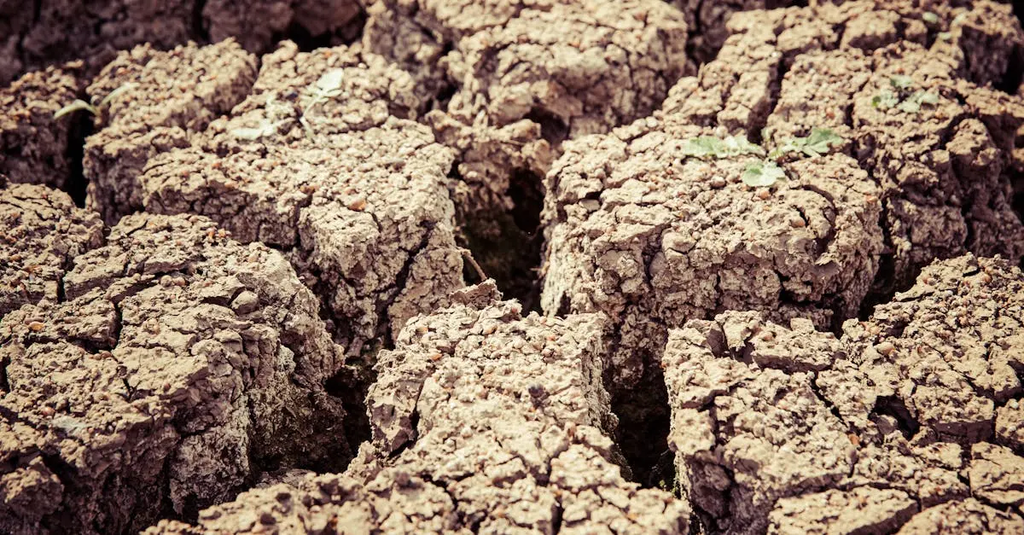
Paleoclimate clues and proxies are indirect indicators scientists use to reconstruct Earth’s past climates. Since direct measurements aren’t available for ancient periods, researchers analyze proxies such as ice cores, tree rings, sediment layers, and fossilized pollen. These natural recorders capture information about temperature, precipitation, atmospheric gases, and vegetation over time. By interpreting these clues, scientists can understand how climate has changed throughout Earth’s history and what factors influenced those changes.
Paleoclimate Clues and Proxies
Paleoclimate clues and proxies are indirect indicators scientists use to reconstruct Earth’s past climates. Since direct measurements aren’t available for ancient periods, researchers analyze proxies such as ice cores, tree rings, sediment layers, and fossilized pollen. These natural recorders capture information about temperature, precipitation, atmospheric gases, and vegetation over time. By interpreting these clues, scientists can understand how climate has changed throughout Earth’s history and what factors influenced those changes.
💡 Key Takeaways
- Define paleoclimate proxies and why they are used to reconstruct Earth's past climates when direct measurements are unavailable.
- Identify common proxy types (ice cores, tree rings, sediment layers, fossil pollen) and what climate information they reveal.
- Explain how proxies are interpreted, including dating methods and calibration to modern records.
- Discuss limitations and uncertainties of proxy data and how scientists address biases and errors to infer past climate and events.
❓ Frequently Asked Questions
What are paleoclimate proxies?
Paleoclimate proxies are indirect records (like ice cores, tree rings, sediment layers, and fossil pollen) used to infer past climate conditions when direct measurements are not available.
How do ice cores help reconstruct past climates?
Ice cores trap ancient air bubbles and preserve isotopic information; analyzing these signals reveals past temperatures, precipitation, and atmospheric composition over long timescales.
What information do tree rings provide about climate?
Tree rings reflect growing conditions; ring width and density indicate temperature and moisture levels, helping identify droughts, wet periods, and seasonal climate variability.
How do sediment layers and pollen help paleoclimate studies?
Sediments accumulate and record environmental changes; pollen and microfossils within them show past vegetation and climate shifts, aiding regional climate reconstructions.
Why can't we rely on direct measurements for ancient climates?
Direct weather records only exist for relatively recent times; proxies extend our understanding by capturing climate signals from natural archives dating far back in time.