Paleofloods and paleoseismology involve studying ancient floods and earthquakes through geological evidence, such as sediment layers and fault lines. By analyzing these records, scientists can extend the history of natural hazards in the United States far beyond what is available from written or instrumental records. This deeper understanding helps improve hazard assessments, guide infrastructure planning, and inform risk management strategies by revealing the frequency and magnitude of rare, extreme events over thousands of years.
Paleofloods and Paleoseismology: Extending US Hazard Records
Paleofloods and paleoseismology involve studying ancient floods and earthquakes through geological evidence, such as sediment layers and fault lines. By analyzing these records, scientists can extend the history of natural hazards in the United States far beyond what is available from written or instrumental records. This deeper understanding helps improve hazard assessments, guide infrastructure planning, and inform risk management strategies by revealing the frequency and magnitude of rare, extreme events over thousands of years.
💡 Key Takeaways
- Extend US hazard history beyond written records using geological evidence of floods and earthquakes.
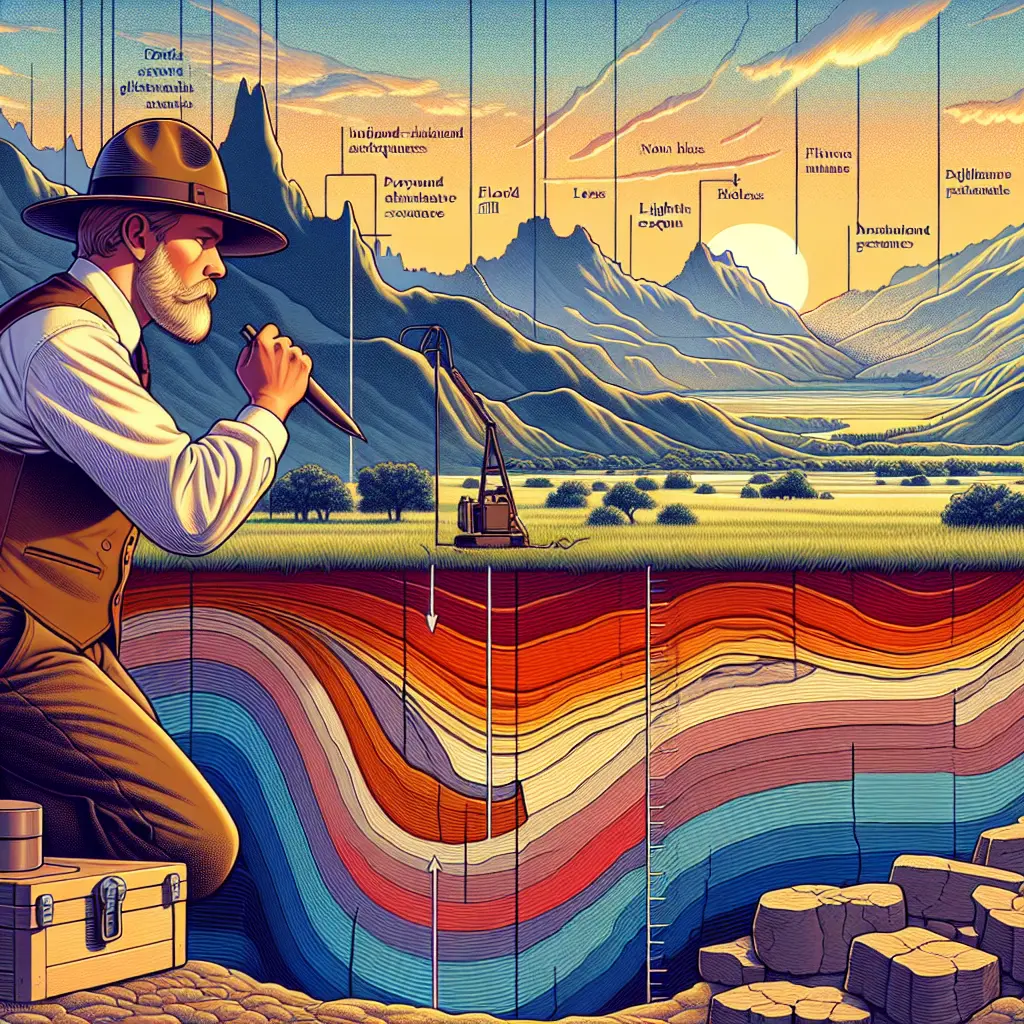
- Use sediment layers and fault lines to identify past paleofloods and paleoseismic events.
- Learn dating and reconstruction methods to estimate timing, magnitude, and recurrence of ancient events.
- See how longer hazard records improve risk assessment and preparedness, while noting uncertainties and data gaps.
❓ Frequently Asked Questions
What are paleofloods and paleoseismology?
Paleofloods study ancient floods using geological clues like sediment deposits and landforms, while paleoseismology investigates past earthquakes by examining faults and trench records. Together, they extend hazard histories beyond written records.
How do scientists extend US hazard records beyond written history?
They analyze geological archives—layered sediments, flood deposits, fault offsets, and dated materials—to reconstruct past events and estimate how often extreme floods or earthquakes occurred.
What methods are used to date and interpret these ancient events?
Techniques include radiocarbon dating, luminescence dating (OSL), dendrochronology (tree rings), stratigraphy, and fault trenching.
Why is extending hazard records important for US risk assessment?
Longer records improve estimates of recurrence intervals, inform infrastructure design and land-use planning, and help communities prepare for rare but damaging floods and earthquakes.