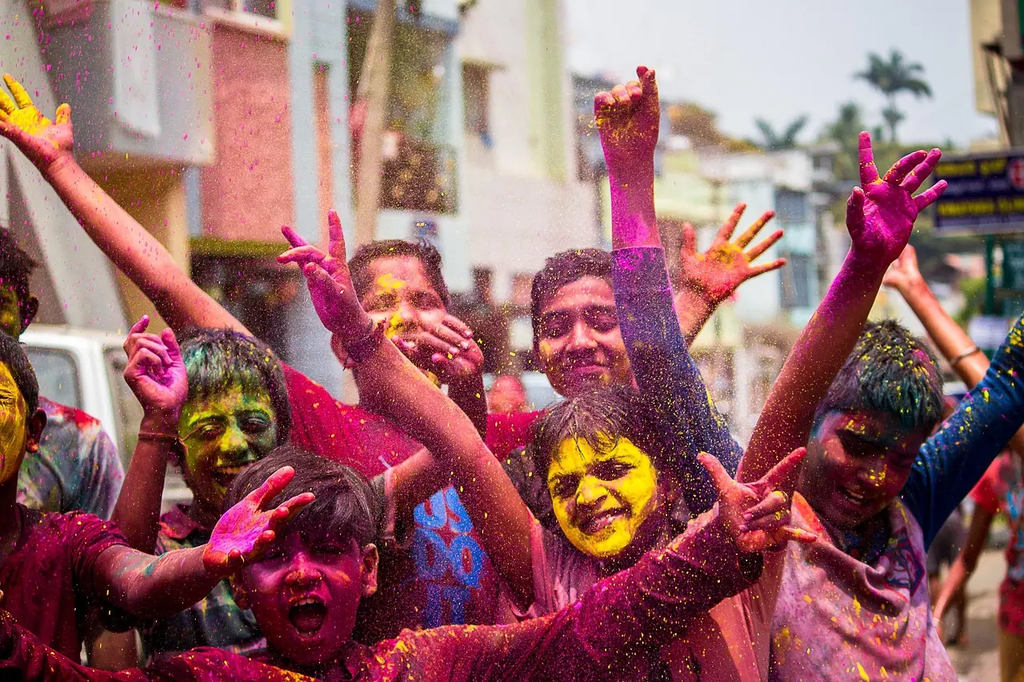
Parades and street processions are organized public events where groups of people move along designated routes, often accompanied by music, floats, costumes, and performances. These lively gatherings celebrate cultural, national, or religious occasions, fostering community spirit and entertainment. Participants and spectators alike enjoy the vibrant atmosphere, creative displays, and sense of unity. Parades and processions can mark significant events, honor traditions, or simply provide festive enjoyment for all involved.
Parades and Street Processions
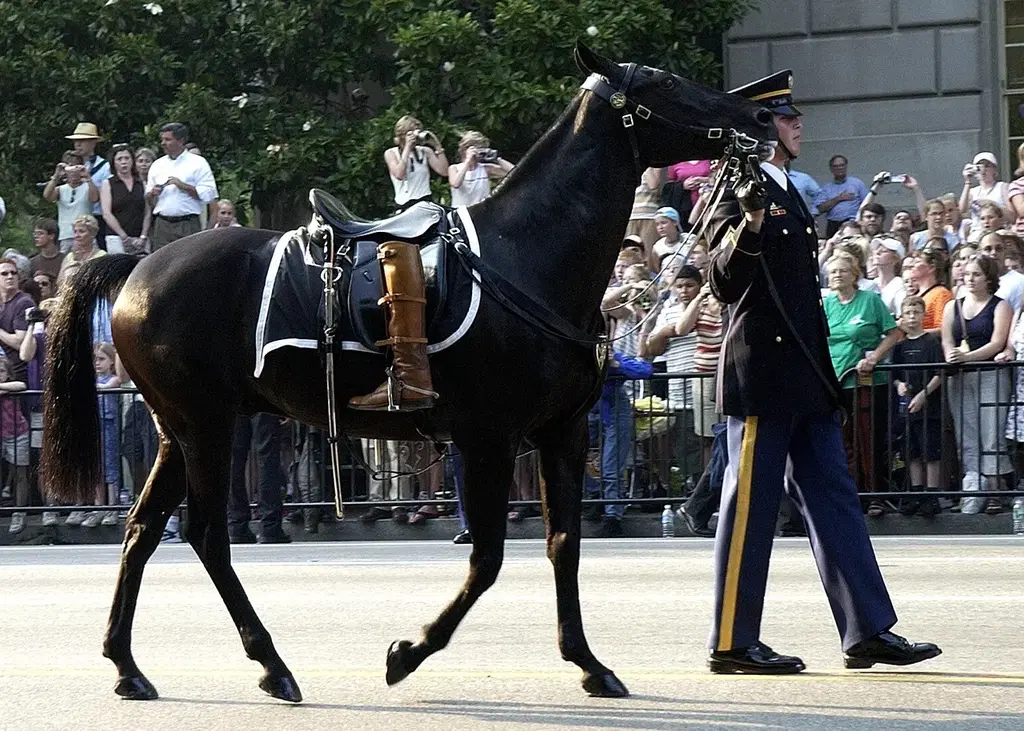
Parades and street processions are organized public events where groups of people move along designated routes, often accompanied by music, floats, costumes, and performances. These lively gatherings celebrate cultural, national, or religious occasions, fostering community spirit and entertainment. Participants and spectators alike enjoy the vibrant atmosphere, creative displays, and sense of unity. Parades and processions can mark significant events, honor traditions, or simply provide festive enjoyment for all involved.
💡 Key Takeaways
- Identify the key elements of parades and street processions (route, participants, music, floats, costumes, and performances).
- Explain how these events celebrate cultural, national, or religious occasions and foster community identity.
- Describe typical organizational roles and logistics involved in putting on a parade (organizers, volunteers, safety, permissions).
- Understand the broader community impact, including entertainment value, tourism, and cultural heritage.
❓ Frequently Asked Questions
What is a parade or street procession?
A publicly organized event where groups move along a designated route, usually featuring music, floats, costumes, and performances to celebrate a special occasion.
What elements are commonly seen in parades and street processions?
Music (bands or songs), floats, costumes, banners, and coordinated performances along the route.
What is the main purpose of parades and street processions?
To celebrate cultural, national, or religious occasions, entertain spectators, and foster community spirit.
Who organizes and participates in parades and street processions?
Organized by communities, schools, cultural or religious groups, or local authorities; participants include members of these groups and often volunteers.