Parallel timelines refer to the concept where multiple versions of reality or history exist simultaneously, each following different events or choices. Paradoxes arise when actions in one timeline affect or contradict occurrences in another, often creating logical inconsistencies. These ideas are commonly explored in science fiction, where time travel or alternate realities lead to complex scenarios that challenge our understanding of cause and effect, identity, and the nature of reality itself.
Parallel Timelines & Paradoxes
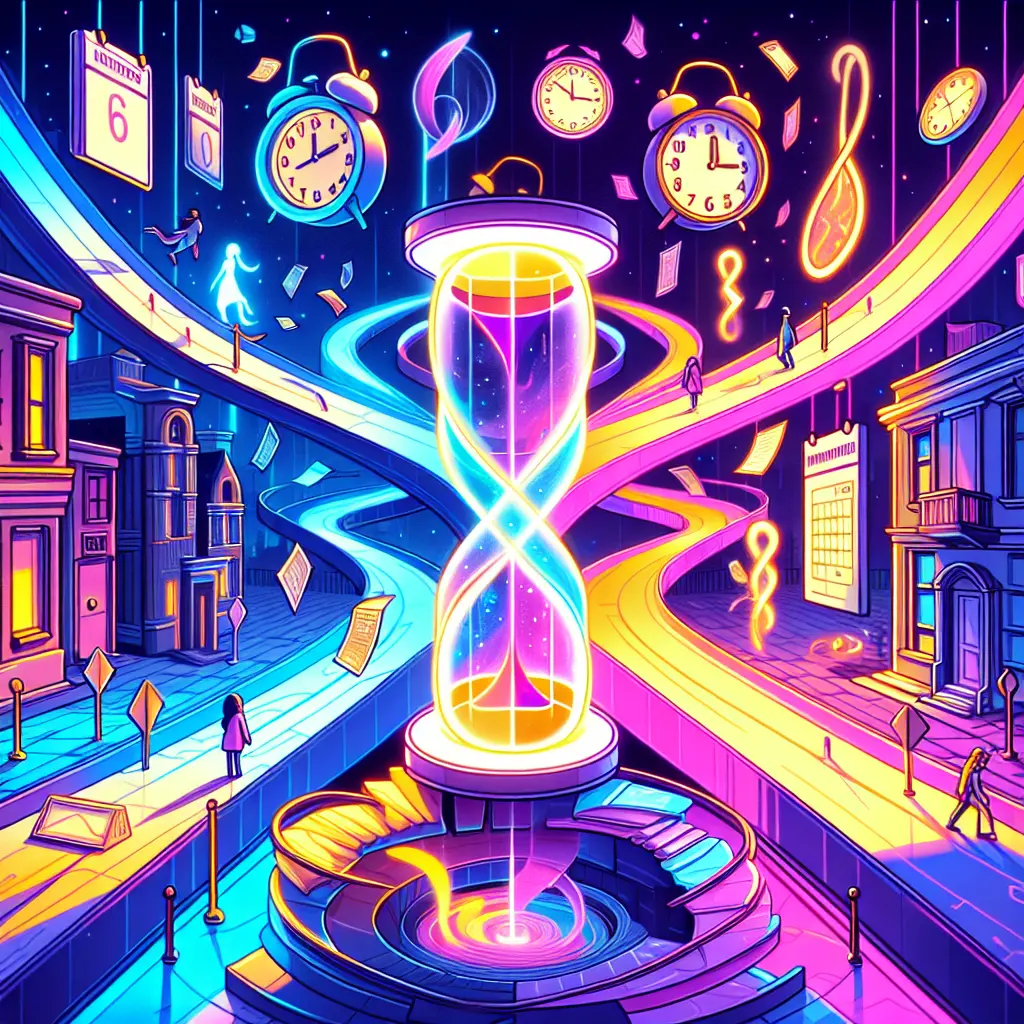
Parallel timelines refer to the concept where multiple versions of reality or history exist simultaneously, each following different events or choices. Paradoxes arise when actions in one timeline affect or contradict occurrences in another, often creating logical inconsistencies. These ideas are commonly explored in science fiction, where time travel or alternate realities lead to complex scenarios that challenge our understanding of cause and effect, identity, and the nature of reality itself.
💡 Key Takeaways
- Define parallel timelines and how multiple versions of history can coexist within franchises or universes.
- Explain how branching events and choices create alternate timelines with different outcomes.
- Describe paradoxes that occur when actions in one timeline affect another, including causality twists and logical inconsistencies.
- Identify common storytelling approaches for managing parallel timelines, such as alternate universes, timeline splits, and convergence mechanisms.
❓ Frequently Asked Questions
What is a parallel timeline?
A version of history that exists alongside another, created by different events or choices. In fiction, multiple timelines can co‑exist within a franchise, either as branching paths or as separate universes.
What is a time-travel paradox?
An inconsistency that arises when actions in one timeline affect past or future events in ways that contradict the established history, often creating a logical loop.
What is the difference between branching timelines and parallel universes?
Branching timelines diverge from a shared past within one continuity; parallel universes are separate, distinct realities with their own histories. Some stories treat branches as the same universe, others treat each branch as a new universe.
What are some common paradox types in time-travel stories?
Grandfather paradox: going back to prevent your own existence. Bootstrap paradox: information or objects that have no clear origin. Predestination paradox: past actions that cause the future to occur as it already did.