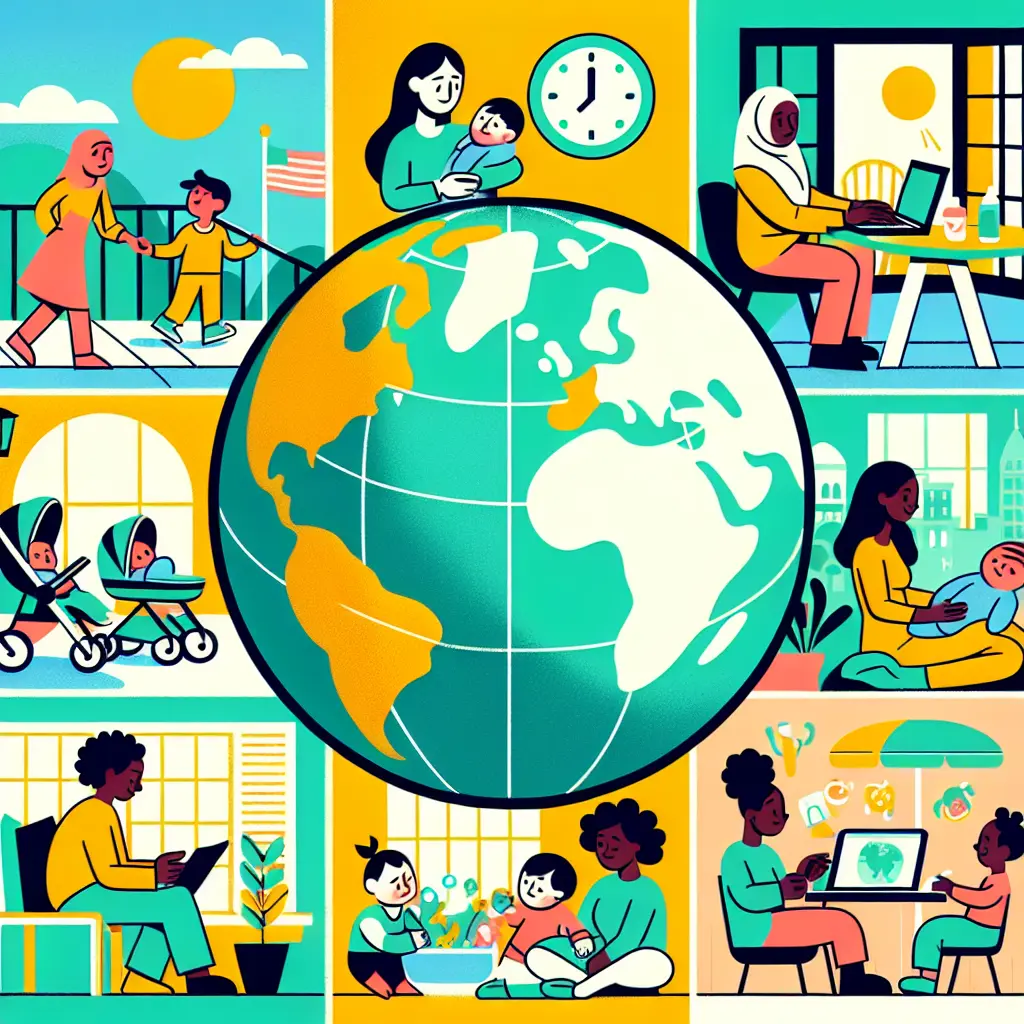
"Parenting Around the Globe: Leave and Care Policies" refers to the various laws and regulations different countries implement to support parents in balancing work and family life. These policies include paid or unpaid parental leave, maternity and paternity leave, and provisions for child care. The effectiveness and generosity of these policies vary widely worldwide, influencing family well-being, gender equality, and children's development based on the level of support provided to parents.
Parenting Around the Globe: Leave and Care Policies
"Parenting Around the Globe: Leave and Care Policies" refers to the various laws and regulations different countries implement to support parents in balancing work and family life. These policies include paid or unpaid parental leave, maternity and paternity leave, and provisions for child care. The effectiveness and generosity of these policies vary widely worldwide, influencing family well-being, gender equality, and children's development based on the level of support provided to parents.
💡 Key Takeaways
- Compare paid vs unpaid parental leave across countries, noting typical durations and eligibility.
- Differentiate maternity leave, paternity leave, and parental leave and how each is framed legally and culturally.
- Explore how child care provisions (public subsidies, access to services) vary internationally and affect families.
- Assess how leave and care policies influence work-life balance, gender equality, and workforce participation.
❓ Frequently Asked Questions
What is parental leave, and how does it relate to maternity and paternity leave?
Parental leave is job-protected time off to care for a child. Maternity leave is for birth mothers around childbirth, and paternity leave is for fathers or other non-birth parents. Policies vary by country and may combine these into shared parental leave with different pay and duration.
What is the difference between paid and unpaid leave?
Paid leave provides compensation during the time off, funded by government programs, social insurance, or employers. Unpaid leave means time off without pay, though your job is typically protected. Many countries offer a mix depending on eligibility.
What kinds of child care support do leave and care policies include?
Policies may subsidize or publicly fund child care, provide tax credits or deductions for families, or require employer-supported child care options to help families balance work and care responsibilities.
Can you name some country examples of leave policies for parents?
Examples include countries with generous, shared parental leave (such as some Nordic economies) and the UK’s Shared Parental Leave. In the U.S., the Family Medical Leave Act provides up to 12 weeks of unpaid, job-protected leave for eligible employees.
How can understanding leave and care policies help when planning family events like baby showers or weddings?
Knowing these policies helps you anticipate work time off, plan around leave windows, budget for caregiving, and ensure events are accessible and considerate of families with young children.