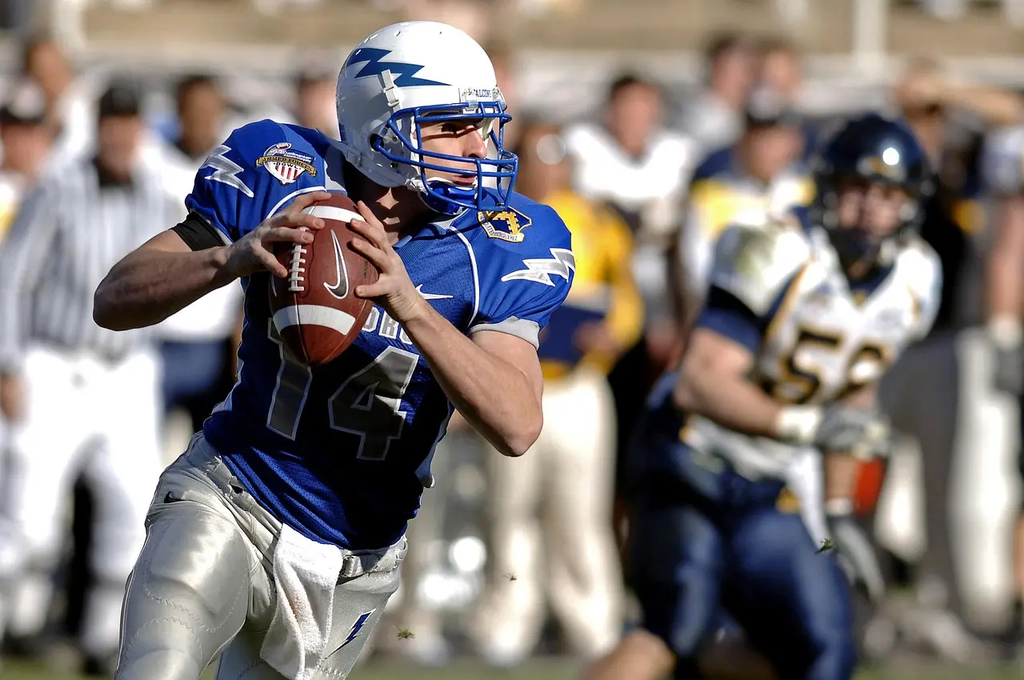
Pass protection schemes and adjustments refer to the strategies and changes used by an offensive football team to block defenders and protect the quarterback during a passing play. These schemes involve assigning specific blocking responsibilities to offensive linemen, running backs, and tight ends, often varying based on defensive alignments or blitzes. Adjustments are made pre-snap or during the play to counter defensive shifts, stunts, or unexpected pressure, ensuring the quarterback has enough time to throw the ball.
Pass Protection Schemes and Adjustments
Pass protection schemes and adjustments refer to the strategies and changes used by an offensive football team to block defenders and protect the quarterback during a passing play. These schemes involve assigning specific blocking responsibilities to offensive linemen, running backs, and tight ends, often varying based on defensive alignments or blitzes. Adjustments are made pre-snap or during the play to counter defensive shifts, stunts, or unexpected pressure, ensuring the quarterback has enough time to throw the ball.

💡 Key Takeaways
- Understand the purpose of pass protection and how it prevents sacks by blocking defenders during a passing play.
- Identify common pass-protection schemes (slide protection, zone, and man protections) and when teams use them.
- Describe the roles of offensive linemen, running backs, and tight ends in protecting the quarterback.
- Learn how teams adjust protection at the line of scrimmage to counter blitzes and unexpected pressure.
- Explain how adjustments like chip blocks, extra blockers, and max protection help handle pressure in obvious passing situations.
❓ Frequently Asked Questions
What is pass protection in American football?
Pass protection is the coordinated effort by the offense to keep the quarterback clean on a passing play by assigning blocking duties to the offensive linemen, running backs, and tight ends.
What are common pass protection schemes?
Common schemes include five-man protection (all five linemen block, with possible help from backs/TEs), slide protections (line slides to one side to handle the rush), and protections based on man or zone blocking, as well as max protection (extra blockers stay in to help).
What is a slide protection, and how does it work?
In slide protection, the offensive line moves as a unit to one side to block the rushing defenders, while the back or tight end picks up any remaining blitzer on the other side.
What is a chip block or help block in pass protection?
A chip block is a quick, short block by a running back or tight end against a pass rusher to momentarily slow them down and give the quarterback more time.