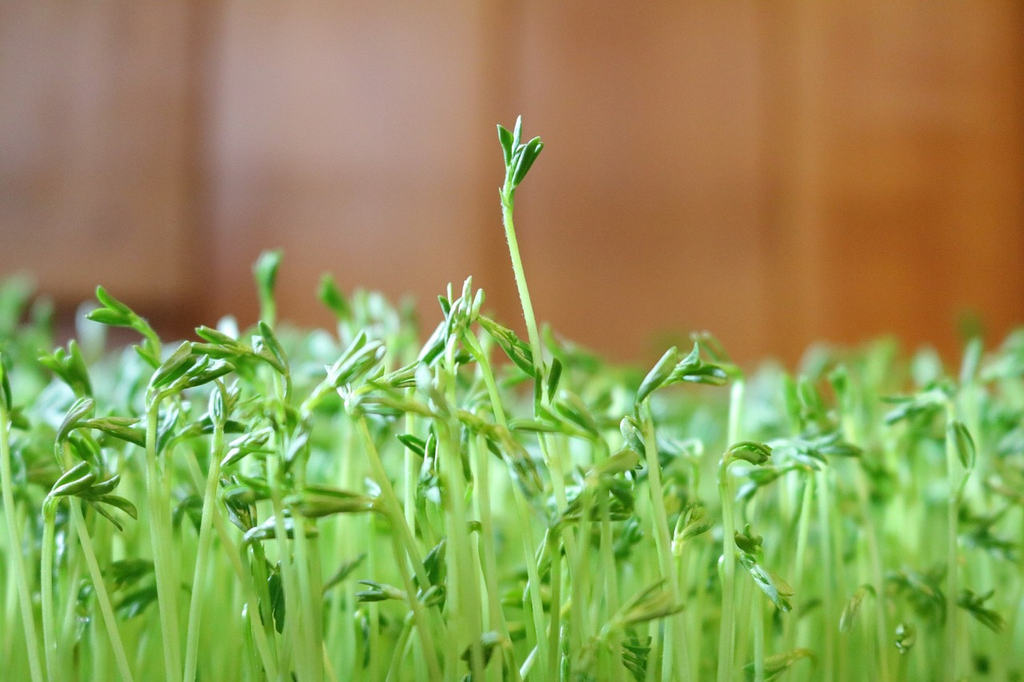
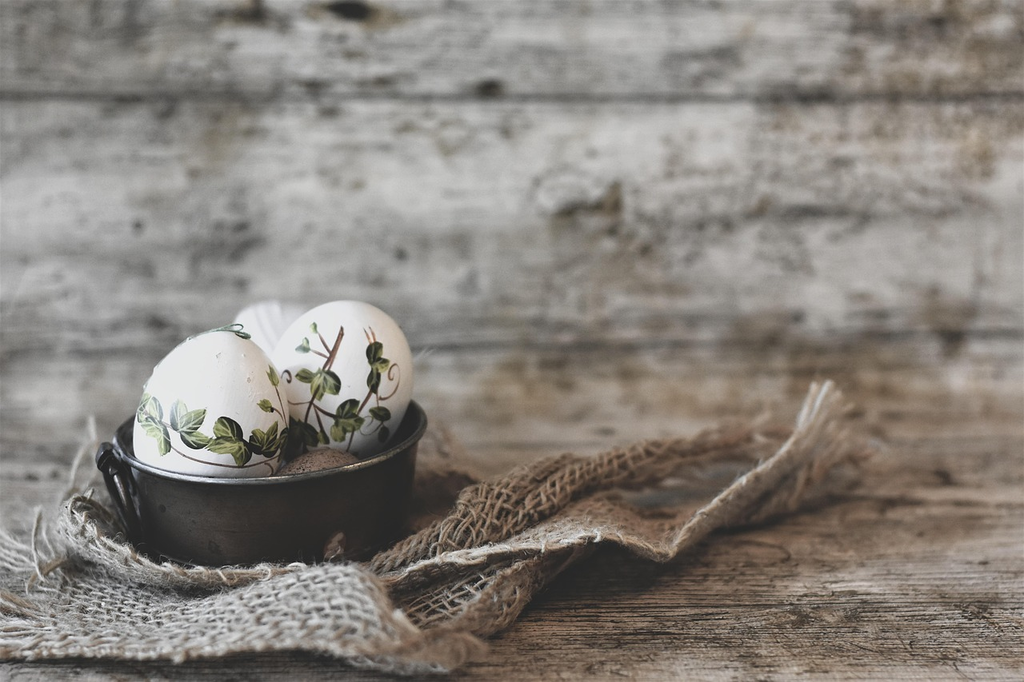
Passover foods are traditional dishes eaten during the Jewish holiday of Passover, celebrated in spring. These foods exclude leavened bread and often include matzo (unleavened bread), bitter herbs, charoset (a sweet fruit and nut mixture), roasted lamb or shank bone, and eggs. Each item holds symbolic meaning, commemorating the Israelites’ exodus from Egypt and their journey to freedom. Meals are often part of a Seder, a ritual feast with specific foods and readings.
Passover Foods
Passover foods are traditional dishes eaten during the Jewish holiday of Passover, celebrated in spring. These foods exclude leavened bread and often include matzo (unleavened bread), bitter herbs, charoset (a sweet fruit and nut mixture), roasted lamb or shank bone, and eggs. Each item holds symbolic meaning, commemorating the Israelites’ exodus from Egypt and their journey to freedom. Meals are often part of a Seder, a ritual feast with specific foods and readings.
💡 Key Takeaways
- Identify the key Seder plate items (matzah, maror, charoset, karpas, zeroa, beitzah) and their meanings.
- Understand which foods are forbidden during Passover (chametz) and why the rule exists.
- Recognize common Passover dishes and how the Seder plate's symbols appear in meals.
- Get practical tips for a Passover-friendly kitchen (matzah options and how to check ingredients for chametz).
❓ Frequently Asked Questions
What is Passover and why are certain foods avoided?
Passover is a Jewish holiday commemorating the Exodus from Egypt; during it, chametz (leavened bread) is avoided to recall leaving Egypt quickly, so foods are either unleavened (matzah) or certified for Passover.
What is matzah and why is it eaten during Passover?
Matzah is unleavened bread made from flour and water baked quickly; it represents the haste of the Israelites leaving Egypt and is a central Passover food.
What is the Passover seder plate and what are its key items?
The seder plate holds symbolic foods used during the Passover seder: maror (bitter herbs), charoset (sweet fruit-nut paste), karpas (green vegetable), z'roa (roasted bone), beitzah (egg); chazeret is sometimes included.
How can you tell if a product is suitable for Passover?
Look for a kosher for Passover certification on the package and review ingredients for chametz; some traditions avoid kitniyot as well.