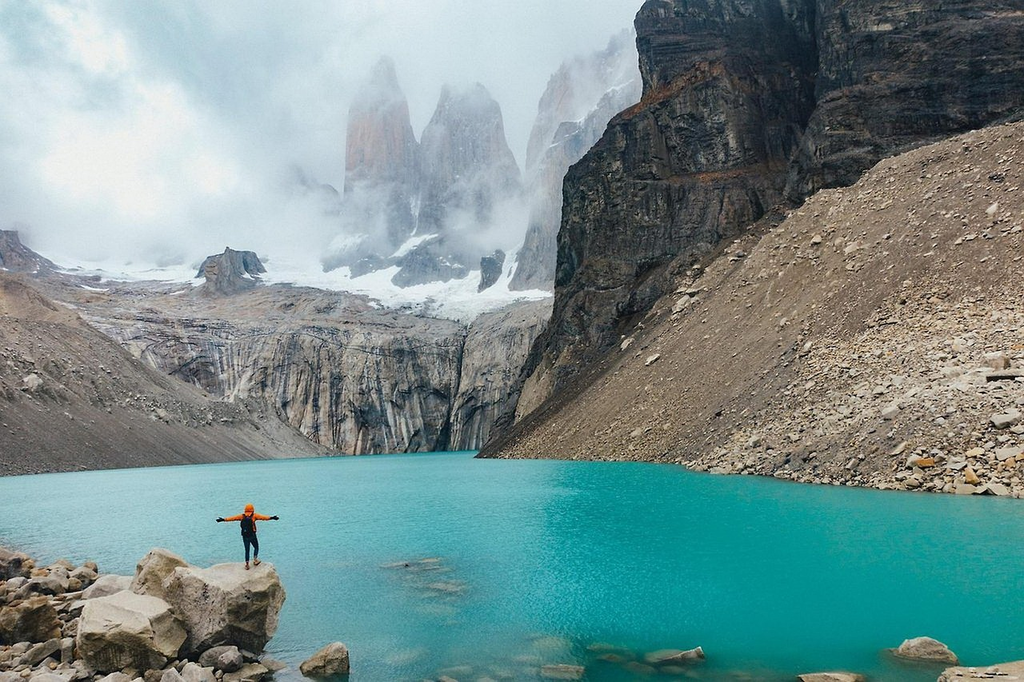
Patagonia is a vast and breathtaking region at the southern tip of South America, shared by Argentina and Chile. Renowned for its dramatic landscapes, it features towering Andes mountains, expansive glaciers, crystal-clear lakes, and windswept steppes. Iconic landmarks include Torres del Paine National Park, Mount Fitz Roy, and the Perito Moreno Glacier. Patagonia's unique natural beauty and remote wilderness make it a world wonder, attracting adventurers and nature enthusiasts from around the globe.
Patagonia
Patagonia is a vast and breathtaking region at the southern tip of South America, shared by Argentina and Chile. Renowned for its dramatic landscapes, it features towering Andes mountains, expansive glaciers, crystal-clear lakes, and windswept steppes. Iconic landmarks include Torres del Paine National Park, Mount Fitz Roy, and the Perito Moreno Glacier. Patagonia's unique natural beauty and remote wilderness make it a world wonder, attracting adventurers and nature enthusiasts from around the globe.
💡 Key Takeaways
- Identify Patagonia's geographic location and how the region spans southern Argentina and Chile.
- Describe Patagonia's iconic landscapes, including the Andes, vast steppes, glaciers, and famous parks like Los Glaciares and Torres del Paine.
- Explain Patagonia's climate—strong winds, cold temperatures, and highly variable weather—and how it affects travel plans.
- Name representative wildlife (guanacos, penguins, condors) and learn about the Mapuche/Tehuelche heritage and conservation considerations.
❓ Frequently Asked Questions
What is Patagonia and where is it located?
Patagonia is a vast region at the southern end of South America, spanning southern Argentina and Chile. It’s known for mountains, glaciers, deserts, and wide-open plains.
What are Patagonia's main geographic features?
The Andes run along its western edge, with vast steppe plains, glaciers (including famous ones), fjords, and rugged coastlines.
What is the climate like in Patagonia?
The climate is cool to cold and windy, with dry conditions in the east and wetter, milder conditions near the Andes to the west. Weather can change quickly.
When is the best time to visit Patagonia?
Late spring to early autumn in the Southern Hemisphere (roughly November–March) offers milder weather and longer days. Shoulder seasons can have fewer crowds.