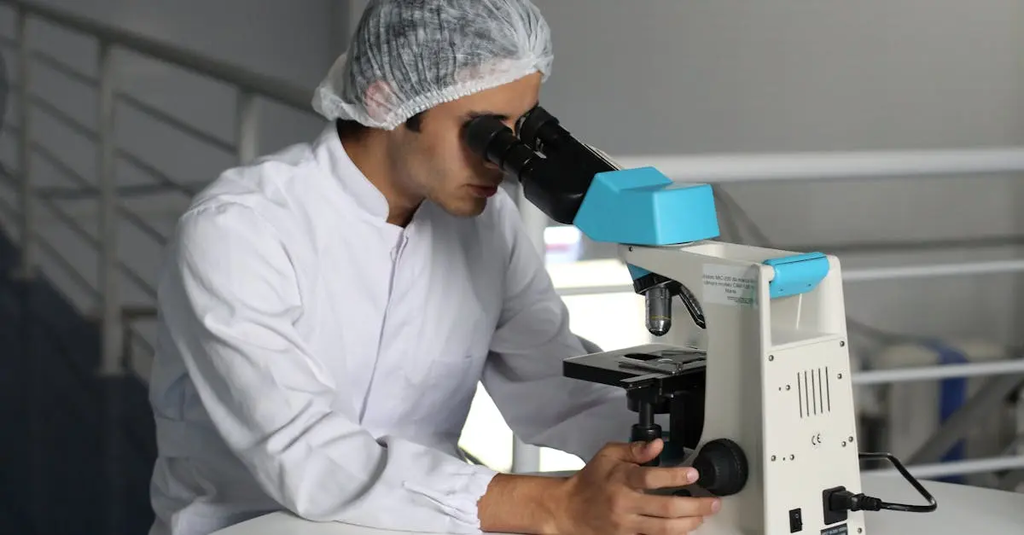
Pathology careers focus on diagnosing diseases by examining tissues, cells, and bodily fluids. Professionals in this field, such as pathologists and laboratory technicians, play a crucial role in healthcare by analyzing specimens to identify illnesses and guide treatment decisions. Proper specimen handling—including collection, labeling, storage, and transport—is essential to ensure accurate test results, prevent contamination, and maintain patient safety within the medical diagnostic process.
Pathology Careers & Specimen Handling
Pathology careers focus on diagnosing diseases by examining tissues, cells, and bodily fluids. Professionals in this field, such as pathologists and laboratory technicians, play a crucial role in healthcare by analyzing specimens to identify illnesses and guide treatment decisions. Proper specimen handling—including collection, labeling, storage, and transport—is essential to ensure accurate test results, prevent contamination, and maintain patient safety within the medical diagnostic process.
💡 Key Takeaways
- Explore various pathology career paths (anatomical, clinical, cytology, and forensic) and what each role entails.
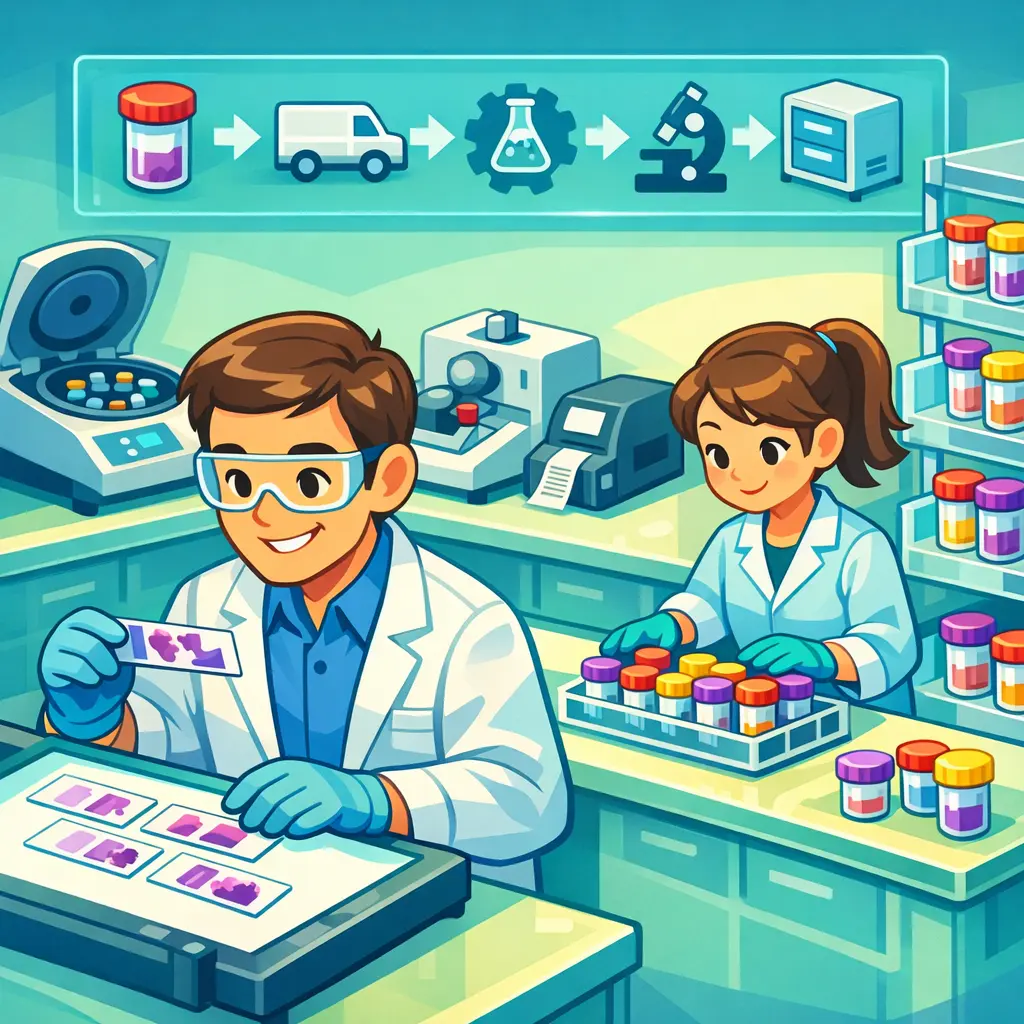
- Learn the essentials of specimen handling, including collection, labeling, transport, accessioning, and preservation.
- Understand safety, ethics, and regulatory practices in pathology labs, including biosafety and chain of custody.
- Recognize how specimen quality and processing decisions (fixation timing and handling) affect diagnostic accuracy.
❓ Frequently Asked Questions
What is pathology and what do pathologists do?
Pathology is the study of disease. Pathologists diagnose diseases by examining tissues, cells, and body fluids under a microscope and through lab tests, guiding treatment decisions in hospitals and reference labs.
What are common careers in pathology besides being a pathologist?
Common roles include pathology assistants (assist with specimen handling and preliminary assessments), histotechnologists (prepare tissue slides), cytotechnologists (screen cytology samples for abnormalities), and laboratory supervisors who oversee operations and quality control.
What is 'chain of custody' and why is it important in pathology?
Chain of custody is the documented record of who collected, handled, and transferred a specimen. It helps maintain sample integrity, proper labeling, and legal/accreditation compliance.
What are basic considerations for specimen labeling and preservation?
Label specimens with patient identifiers, source, and date at collection. Use appropriate preservatives and storage conditions for each specimen type, and follow safety guidelines to protect staff and preserve sample quality.