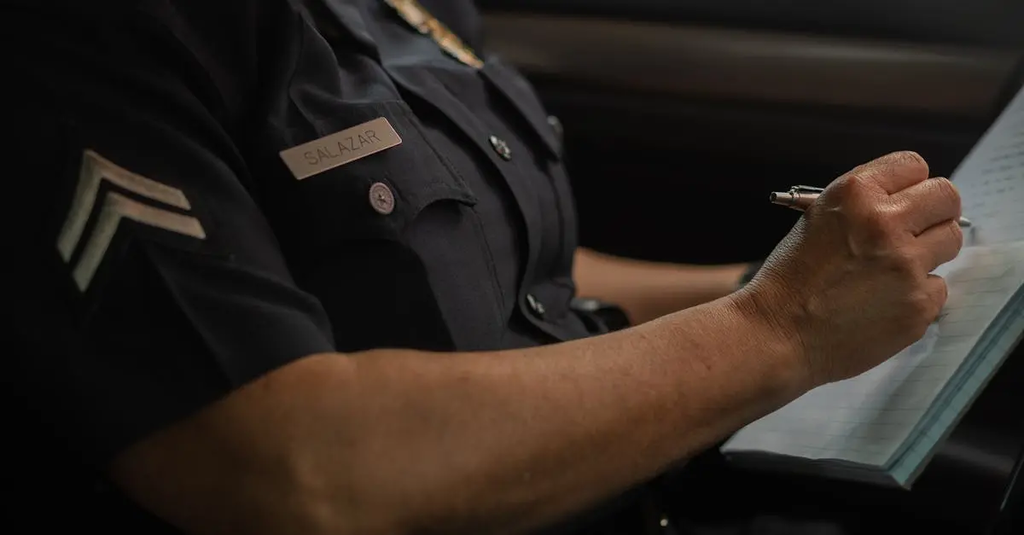
Patrol Reporting & Incident Logs refer to the systematic documentation of security patrol activities and any incidents encountered during those patrols. These logs provide detailed records of patrol routes, observations, times, and specific events or security breaches. They serve as essential tools for accountability, communication, and analysis, helping organizations track security performance, identify patterns, and ensure appropriate responses to incidents. Accurate reporting supports legal compliance and enhances overall safety management.
Patrol Reporting & Incident Logs
Patrol Reporting & Incident Logs refer to the systematic documentation of security patrol activities and any incidents encountered during those patrols. These logs provide detailed records of patrol routes, observations, times, and specific events or security breaches. They serve as essential tools for accountability, communication, and analysis, helping organizations track security performance, identify patterns, and ensure appropriate responses to incidents. Accurate reporting supports legal compliance and enhances overall safety management.
💡 Key Takeaways
- Identify the key elements of patrol reports, including routes, times, observations, and any incidents.
- Follow a consistent format and workflow when recording patrols to ensure accuracy and comparability across shifts.
- Document incidents and security breaches with objective, factual detail to support investigations and accountability.
- Use patrol logs for post-incident analysis, audits, and ongoing improvements to security planning and operations.
❓ Frequently Asked Questions
What is patrol reporting?
Patrol reporting is the systematic documentation of security patrol activities, including routes, times, observations, and any incidents, to verify coverage and accountability.
What is an incident log?
An incident log is a detailed record of events or security breaches encountered during patrols, noting date, time, location, people involved, actions taken, and outcomes.
What information is typically recorded in patrol reports?
Typical entries include patrol route, start and end times, timestamps, observations, conditions, identified issues, incidents, actions taken, and any supporting evidence (photos, signatures).
Why are patrol reports important?
They provide accountability, support investigations, improve situational awareness, aid compliance and audits, and help plan better security strategies.
How should incidents be documented to ensure accuracy?
Record objective details with timestamps and locations, note involved parties and witnesses, describe actions taken, avoid speculation, and preserve evidence for follow-up.