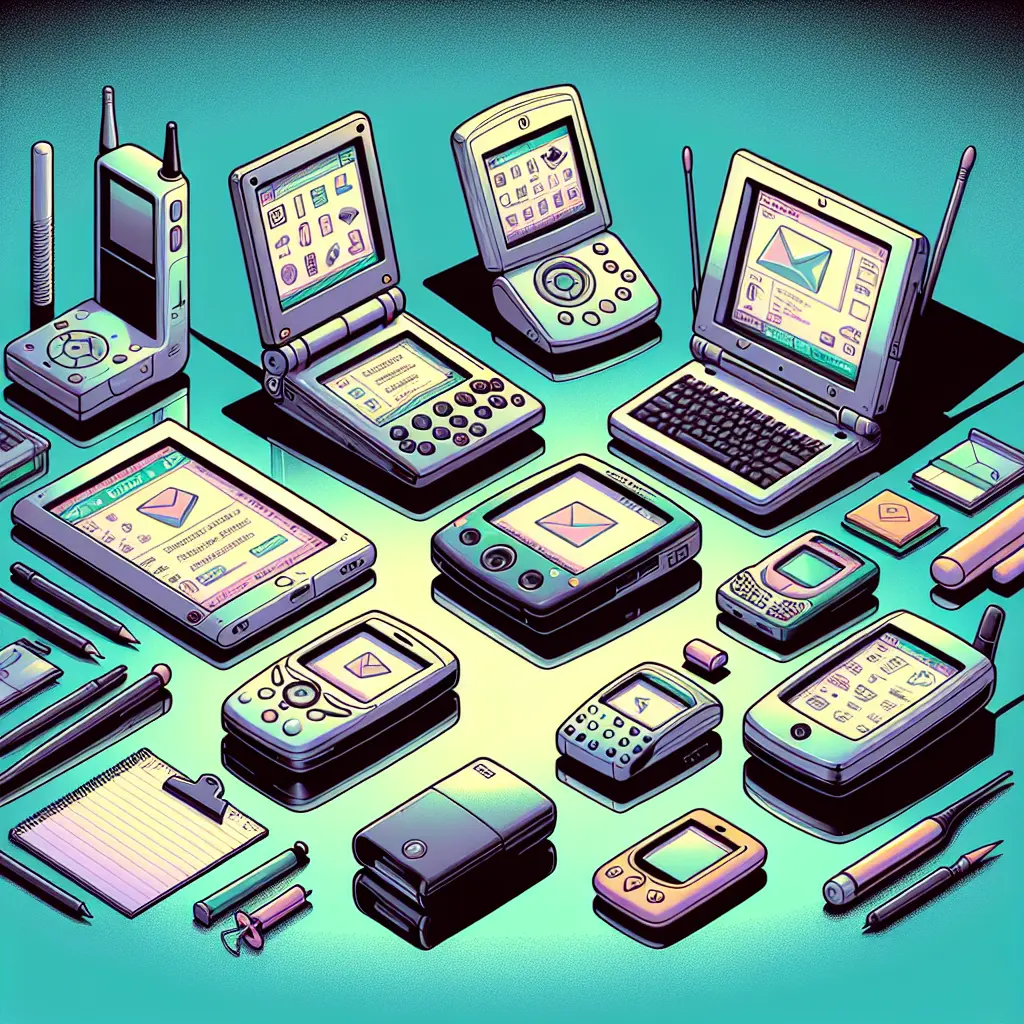
PDAs (Personal Digital Assistants) and Palm Pilots were handheld electronic devices popular in the 1990s and early 2000s, designed to help users manage personal information such as contacts, calendars, and notes. Palm Pilots, a leading brand of PDAs, featured touchscreens and styluses for input. These devices paved the way for modern smartphones by introducing mobile computing and digital organization before the widespread use of internet-enabled phones.
PDAs & Palm Pilots
PDAs (Personal Digital Assistants) and Palm Pilots were handheld electronic devices popular in the 1990s and early 2000s, designed to help users manage personal information such as contacts, calendars, and notes. Palm Pilots, a leading brand of PDAs, featured touchscreens and styluses for input. These devices paved the way for modern smartphones by introducing mobile computing and digital organization before the widespread use of internet-enabled phones.
💡 Key Takeaways
- Understand how PDAs like Palm Pilots helped manage contacts, calendars, and notes before smartphones.
- Identify Palm Pilots as a leading PDA brand that popularized touchscreen input and stylus-based handwriting (Graffiti).
- Learn how data was entered on the device and synced with a computer using cradles/HotSync.
- Explore how PDAs influenced later mobile devices and the concepts behind personal information managers.
❓ Frequently Asked Questions
What is a PDA and what was it used for?
A Personal Digital Assistant was a handheld device designed to organize contacts, calendars, notes, and tasks, helping users manage personal information before smartphones.
What made Palm Pilots stand out in the PDA era?
Palm Pilots popularized compact handhelds with touchscreens and a stylus, running Palm OS and offering easy syncing with computers for contacts, calendars, and notes.
How did users input data on PDAs like Palm Pilots?
Input typically came from a touchscreen and stylus, with handwriting recognition on some models; many users also synced data from a computer rather than typing on the device.
How did PDAs differ from early smartphones?
PDAs focused on personal information management (contacts, calendar, notes) and often lacked integrated cellular phone capability, while early smartphones combined phone service with data and apps.