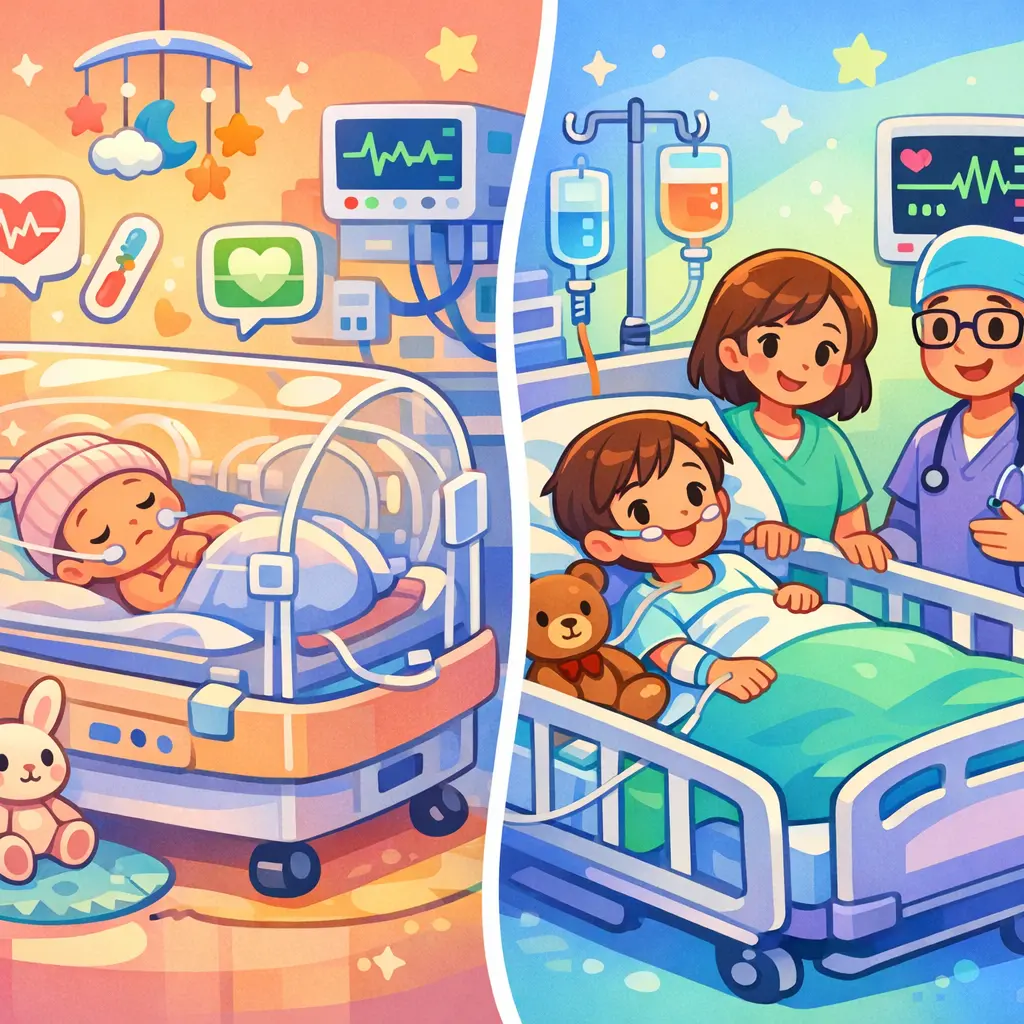
Pediatric subspecialties like the Neonatal Intensive Care Unit (NICU) and Pediatric Intensive Care Unit (PICU) focus on providing specialized medical care to critically ill newborns and children. Healthcare professionals in these fields, such as pediatricians, neonatologists, and nurses, are trained to diagnose and treat complex conditions, manage life-support systems, and offer family-centered care. Careers in NICU and PICU require advanced skills, compassion, and the ability to work in high-pressure environments.
Pediatric Subspecialties (NICU, PICU)
Pediatric subspecialties like the Neonatal Intensive Care Unit (NICU) and Pediatric Intensive Care Unit (PICU) focus on providing specialized medical care to critically ill newborns and children. Healthcare professionals in these fields, such as pediatricians, neonatologists, and nurses, are trained to diagnose and treat complex conditions, manage life-support systems, and offer family-centered care. Careers in NICU and PICU require advanced skills, compassion, and the ability to work in high-pressure environments.
💡 Key Takeaways
- Differentiate NICU and PICU: patient types, goals, and care trajectories.
- Recognize common monitoring and life-support modalities used in neonatal and pediatric critical care.
- Understand the roles of the multidisciplinary team and the importance of family-centered care in the ICU.
- Identify typical conditions seen in NICU and PICU and the general approach to stabilization and escalation of care.
❓ Frequently Asked Questions
What is NICU and who is admitted there?
NICU stands for Neonatal Intensive Care Unit. It cares for newborns needing specialized medical care due to prematurity, very low birth weight, congenital problems, infections, respiratory or heart issues, or birth-related complications. The care team typically includes neonatologists, NICU nurses, respiratory therapists, pharmacists, and social workers.
What is PICU and how does it differ from NICU?
PICU stands for Pediatric Intensive Care Unit. It provides intensive care for infants beyond the newborn period up to adolescence who have life-threatening conditions or require complex monitoring and organ support. Differences include the patient age group (older than newborns), common diagnoses (trauma, severe infections, organ failure), and the team and equipment used.
What are common monitoring and treatments in NICU and PICU?
Common monitoring includes continuous vital signs (heart rate, respiratory rate, oxygen saturation) and frequent clinical assessments. Treatments may involve oxygen therapy, ventilators, IV fluids and nutrition, antibiotics, laboratory tests, imaging, and, in PICU, medications to support heart or organ function.
How long do patients stay in NICU vs PICU and what affects the duration?
Length of stay varies widely and depends on factors like illness severity, gestational age at birth (for NICU), response to treatment, presence of complications, and readiness for transfer to less intensive care. Some stays are days; others can be weeks or longer.