Pelvic floor awareness, diaphragmatic breathing, and relaxation are essential components of post-pregnancy care. They help new mothers restore core strength, improve bladder control, and reduce pelvic discomfort. Focusing on pelvic floor muscles enhances awareness and function, while diaphragmatic breathing encourages deep, calming breaths that support relaxation and healing. Together, these practices promote overall physical recovery, reduce stress, and support emotional well-being after childbirth.
Pelvic floor awareness, diaphragmatic breathing, and relaxation
Pelvic floor awareness, diaphragmatic breathing, and relaxation are essential components of post-pregnancy care. They help new mothers restore core strength, improve bladder control, and reduce pelvic discomfort. Focusing on pelvic floor muscles enhances awareness and function, while diaphragmatic breathing encourages deep, calming breaths that support relaxation and healing. Together, these practices promote overall physical recovery, reduce stress, and support emotional well-being after childbirth.
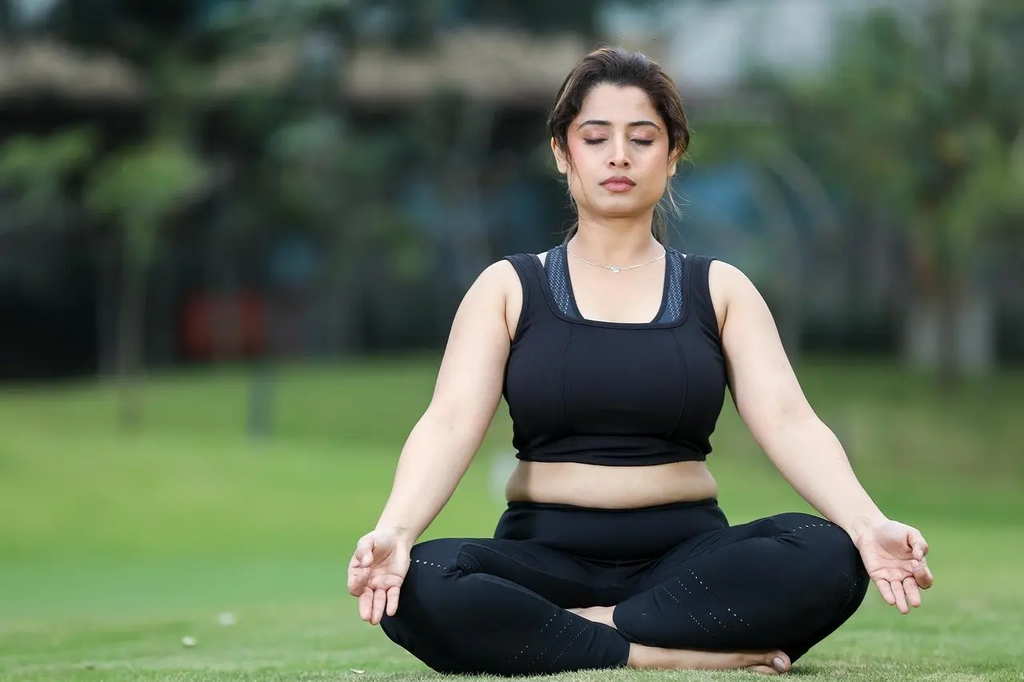
💡 Key Takeaways
- Identify the pelvic floor muscles and their role in core stability and continence.
- Learn and practice diaphragmatic (abdominal) breathing for deep, relaxed breaths.
- Coordinate breathing with gentle pelvic floor engagement to reduce tension.
- Use simple relaxation techniques to manage stress and support recovery.
❓ Frequently Asked Questions
What is diaphragmatic breathing?
A deep breathing technique that uses the diaphragm to fill the lungs, causing the belly to rise. It promotes relaxation, breath control, and supports pelvic floor function.
What is the pelvic floor and why is awareness important?
The pelvic floor is a group of muscles at the bottom of the pelvis that support pelvic organs. Awareness helps with posture, core stability, safe movement, and continence.
How can I practice diaphragmatic breathing?
Lie or sit tall, place one hand on your belly and the other on your chest. Inhale through the nose so the belly rises (keep the chest still). Exhale slowly through pursed lips. Repeat for several minutes.
How does relaxation support pelvic health?
Relaxation reduces pelvic floor tension, improves breathing patterns, and lowers stress, which can aid comfort, continence, and safe movement. Techniques include 4-7-8 breathing or progressive muscle relaxation.