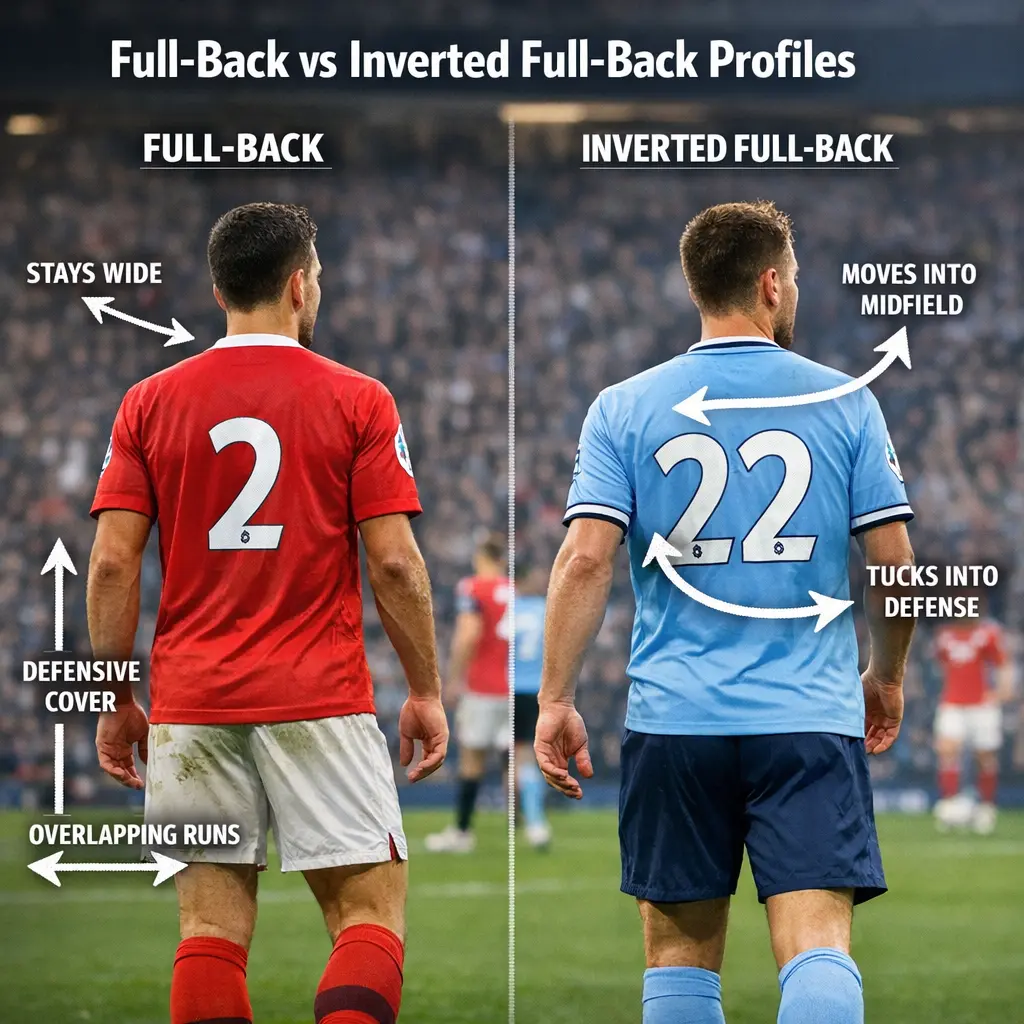
Pep Guardiola’s tenure at Manchester City F.C. is defined by his mastery of positional play, a tactical approach emphasizing structured spacing, fluid movement, and quick passing. He innovated by repurposing full-backs as midfielders, using inverted wingers, and demanding high pressing. Guardiola’s philosophy fosters ball retention, overloads in key areas, and adaptability, enabling City to dominate possession, create scoring opportunities, and set new standards for tactical excellence in modern football.
Pep Guardiola: Positional Play and Innovations
Pep Guardiola’s tenure at Manchester City F.C. is defined by his mastery of positional play, a tactical approach emphasizing structured spacing, fluid movement, and quick passing. He innovated by repurposing full-backs as midfielders, using inverted wingers, and demanding high pressing. Guardiola’s philosophy fosters ball retention, overloads in key areas, and adaptability, enabling City to dominate possession, create scoring opportunities, and set new standards for tactical excellence in modern football.
💡 Key Takeaways
- Understand Pep Guardiola's positional play (Juego de Posicion) and how spacing creates overloads and passing options.
- Learn how his teams build from the back using ball-playing defenders and a deep-lying midfielder to control tempo.
- Explore key innovations associated with Guardiola (inverted full-backs, dynamic rotations, high-press timing) and their influence on modern football.
- See how structure and fluid attacking movement combine to dominate possession and transitions.
❓ Frequently Asked Questions
What is Guardiola's positional play (juego de posicion) and what does it aim to achieve?
It’s a structured system where players occupy specific zones to preserve space, enable quick, short passes, and control the game’s tempo, with the aim of dominating possession and creating clear passing options.
What are the core principles of Guardiola's positional play?
Maintain a compact team shape in defense and attack, use rotations to create space and overloads, build from the back with the goalkeeper as an initiator, and press as a unit when out of possession.
What tactical features are commonly associated with Guardiola's teams?
High-pressing as a collective, rapid ball circulation to exploit gaps, use of full-backs and midfield rotations to create width and overloads, and deliberate positioning changes to keep space behind the opposition.
How has Guardiola's approach influenced modern football?
It popularized possession-based, high-pressing play with structured build-up from the back, encouraging teams across top leagues to adopt similar shapes, rotations, and tempo in their style of play.