Performance-based design across disciplines in construction projects involves tailoring solutions for fire, seismic, and wind challenges by focusing on achieving specific safety and performance objectives rather than strictly following prescriptive codes. This approach allows engineers and architects to use advanced analysis, simulations, and innovative materials or techniques to meet or exceed regulatory requirements, resulting in safer, more efficient, and cost-effective structures that are optimized for the unique demands of each hazard.
Performance-Based Design Across Disciplines (Fire, Seismic, Wind)
Performance-based design across disciplines in construction projects involves tailoring solutions for fire, seismic, and wind challenges by focusing on achieving specific safety and performance objectives rather than strictly following prescriptive codes. This approach allows engineers and architects to use advanced analysis, simulations, and innovative materials or techniques to meet or exceed regulatory requirements, resulting in safer, more efficient, and cost-effective structures that are optimized for the unique demands of each hazard.
💡 Key Takeaways
- Understand performance-based design and how it differs from prescriptive codes in fire, seismic, and wind.
- Identify the main objectives for each discipline (fire: life safety/egress; seismic: collapse prevention; wind: safety and function).
- Learn the PBD workflow: set criteria, perform analyses, and verify outcomes.
- See how material choices and detailing affect performance across fire, seismic, and wind.
❓ Frequently Asked Questions
What is performance-based design (PBD) and how does it differ from prescriptive design?
PBD aims to meet predefined performance goals under specified hazards using analysis-driven methods, focusing on outcomes like safety and function. Prescriptive design follows fixed code rules and detailing regardless of context.
How is performance defined in fire, seismic, and wind PBD?
Fire: maintain life safety and safe egress during and after a fire; Seismic: prevent collapse and protect occupants while preserving essential functions; Wind: limit damage and vibrations to ensure safety and usable space.
What analysis methods support PBD in these disciplines?
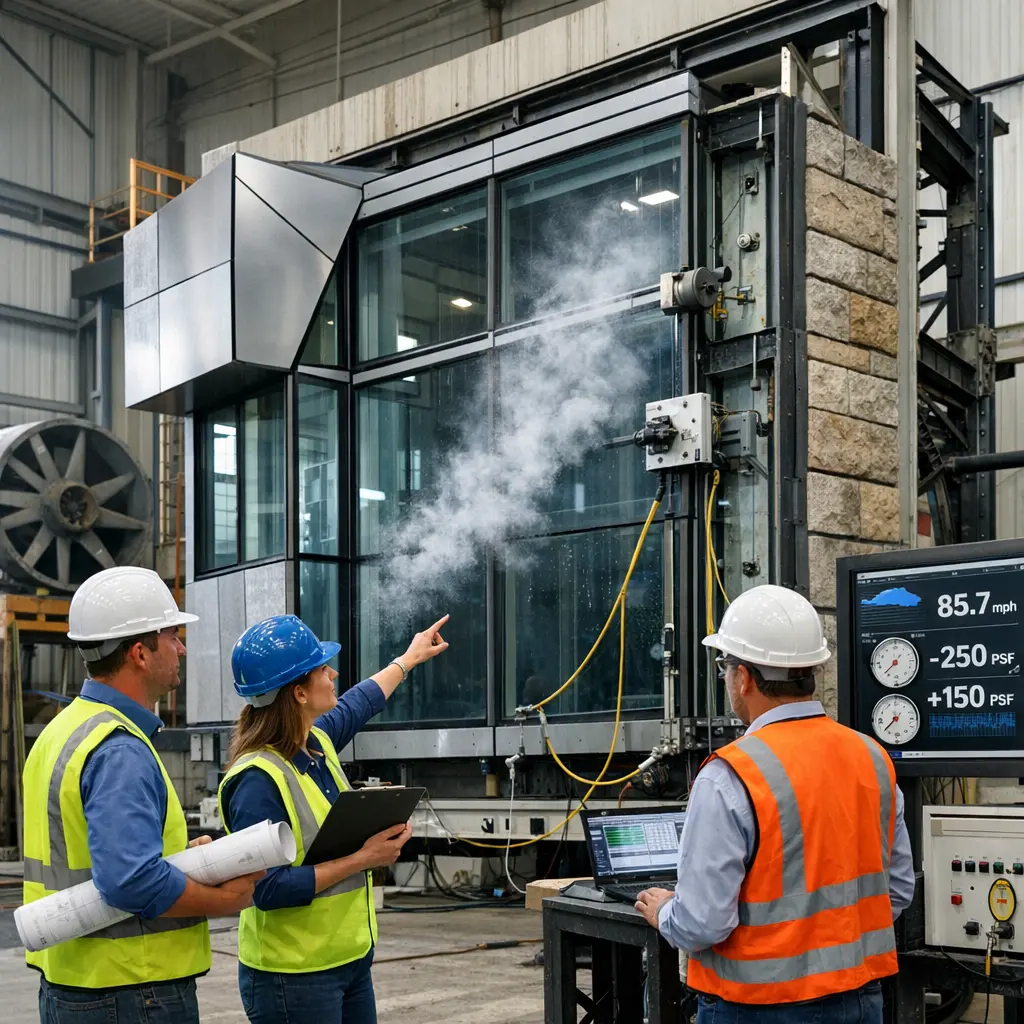
Seismic PBD uses nonlinear static/dynamic analyses (pushover, time-history). Fire PBD uses fire dynamics simulations and CFD/zone models. Wind PBD uses aeroelastic analyses and wind-tunnel/CFD data to predict responses.
What are typical performance objectives used in PBD across these disciplines?
Common objectives include Life Safety, Immediate Occupancy/Operational, and Collapse Prevention; wind PBD also considers serviceability limits (drift, vibration) to maintain comfort and function.