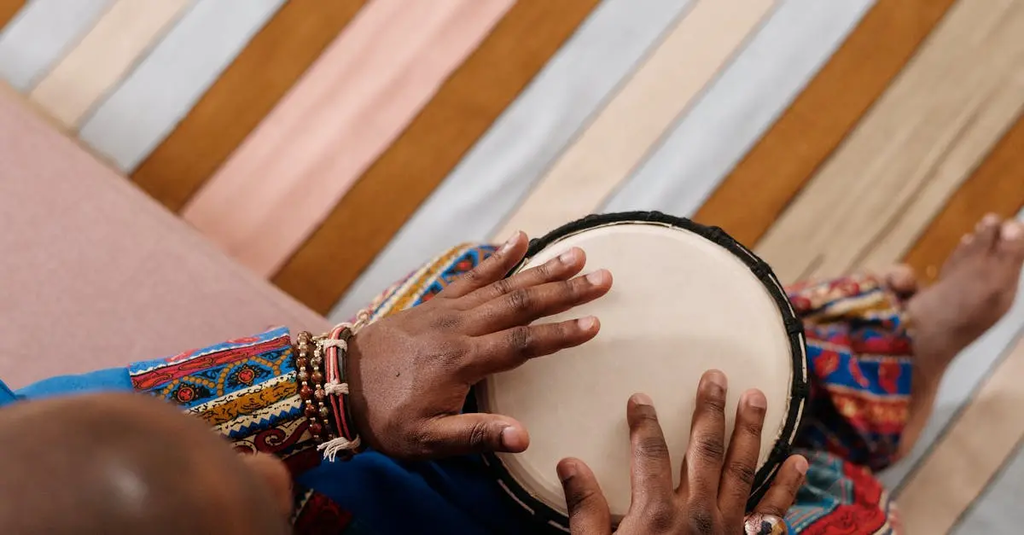
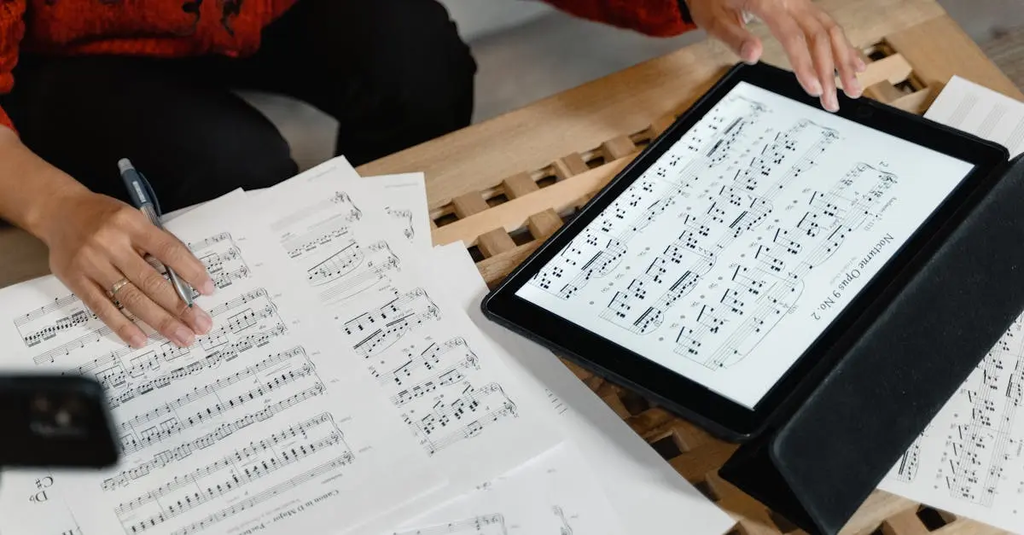
Performance psychology in the performing arts and music focuses on understanding and enhancing the mental processes that influence an artist’s ability to deliver their best on stage. Stage presence refers to the captivating energy and confidence a performer projects, engaging the audience and elevating the overall experience. Together, they help artists manage anxiety, build self-assurance, and consistently deliver compelling, memorable performances under pressure.
Performance Psychology & Stage Presence
Performance psychology in the performing arts and music focuses on understanding and enhancing the mental processes that influence an artist’s ability to deliver their best on stage. Stage presence refers to the captivating energy and confidence a performer projects, engaging the audience and elevating the overall experience. Together, they help artists manage anxiety, build self-assurance, and consistently deliver compelling, memorable performances under pressure.

💡 Key Takeaways
- Grasp core performance psychology concepts and how they influence stage presence
- Master anxiety management techniques to stay calm, focused, and present
- Build compelling stage presence through confident body language, voice, and facial expressions
- Use mental rehearsal and pre-performance routines to improve consistency and delivery
❓ Frequently Asked Questions
What is performance psychology?
Performance psychology studies how mental factors influence performance, helping you optimize focus, motivation, anxiety management, and resilience.
What is stage presence?
Stage presence is the ability to command attention and convey confidence and authenticity through body language, voice, energy, and audience connection.
What are common strategies to manage stage fright before a performance?
Use deep breathing and physical warm-ups, practice positive self-talk, visualize success, focus on the message rather than fear, and gradually expose yourself to performance situations.
How can rehearsal and preparation impact stage presence?
Regular practice builds familiarity and ease with the material, reduces uncertainty, and allows a natural, confident delivery and consistent energy on stage.