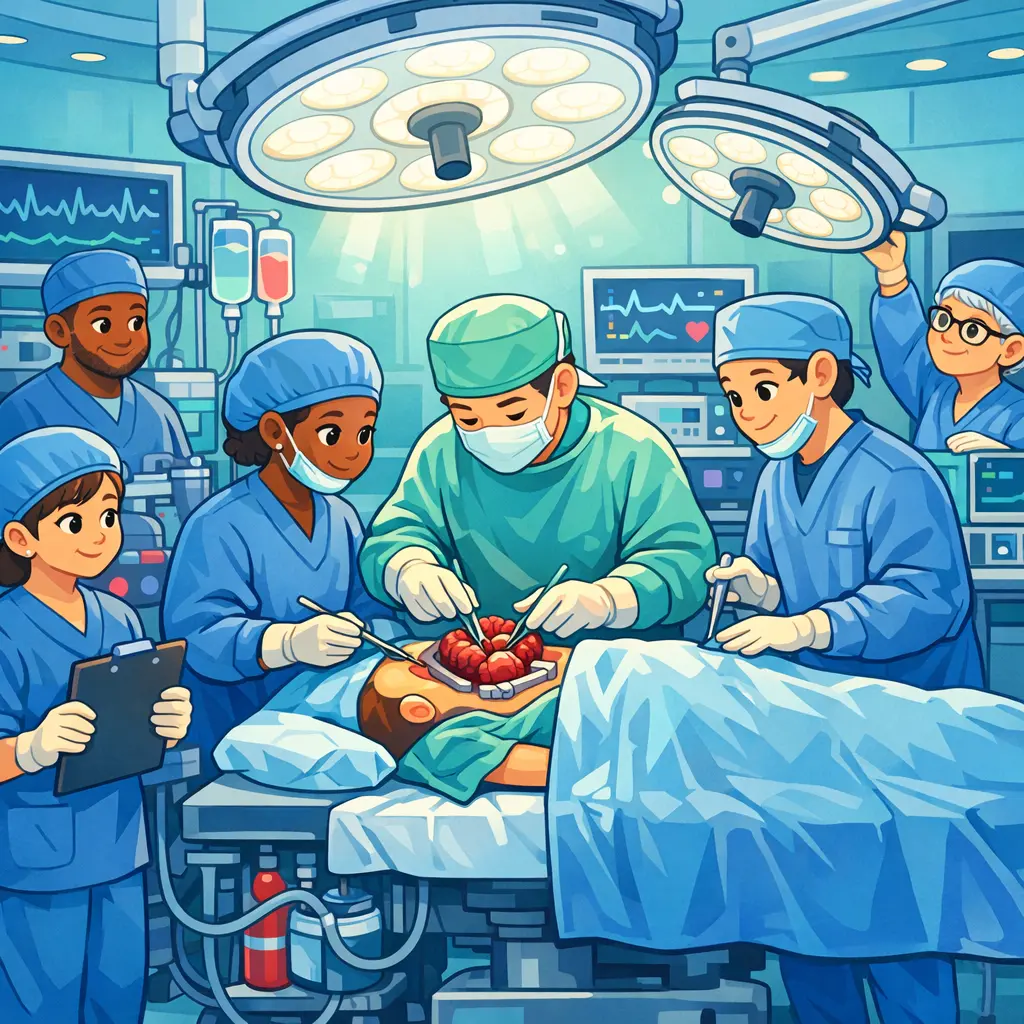
Perioperative nursing specialties focus on the care of patients before, during, and after surgical procedures. Nurses in this field work in operating rooms, recovery units, and preoperative areas, collaborating with surgeons, anesthesiologists, and other healthcare professionals. They ensure patient safety, prepare surgical instruments, monitor vital signs, and provide emotional support. These roles require specialized knowledge of surgical procedures, sterile techniques, and patient assessment, making perioperative nursing a vital component of healthcare and medicine careers.
Perioperative Nursing Specialties
Perioperative nursing specialties focus on the care of patients before, during, and after surgical procedures. Nurses in this field work in operating rooms, recovery units, and preoperative areas, collaborating with surgeons, anesthesiologists, and other healthcare professionals. They ensure patient safety, prepare surgical instruments, monitor vital signs, and provide emotional support. These roles require specialized knowledge of surgical procedures, sterile techniques, and patient assessment, making perioperative nursing a vital component of healthcare and medicine careers.

💡 Key Takeaways
- Identify the core perioperative nursing roles across the surgical continuum (preoperative, intraoperative, and postoperative) and how they collaborate to keep patients safe.
- Describe the primary perioperative roles in the OR (scrub nurse vs circulating nurse) and note common subspecialties (e.g., cardiovascular, orthopedic, neurosurgery) and their typical duties.
- Explain essential perioperative safety and infection-control practices, including sterile technique, instrument counts, timeouts, patient positioning, and equipment checks.
- Outline patient education, optimization, and recovery planning in the perioperative period, including pre-op preparation, anesthesia considerations, pain management, and discharge planning.
❓ Frequently Asked Questions
What is perioperative nursing?
Perioperative nursing is the care given to patients before, during, and after surgery to ensure safety, comfort, and optimal outcomes.
What is the difference between a scrub nurse and a circulating nurse in the OR?
A scrub nurse works inside the sterile field, handing instruments to the surgeon; a circulating nurse works outside the sterile field, coordinating supplies, documenting the procedure, and promoting patient safety.
What is CNOR certification and why is it important in perioperative nursing?
CNOR is a certification that recognizes expertise in perioperative nursing, indicating a validated level of knowledge and commitment to best practices and patient safety.
What surgical specialties are commonly supported by perioperative nurses?
Common specialties include cardiac, neurosurgery, orthopedic, general/GI, vascular, urology, pediatric, transplant, and trauma, with nurses often specializing or rotating across areas.