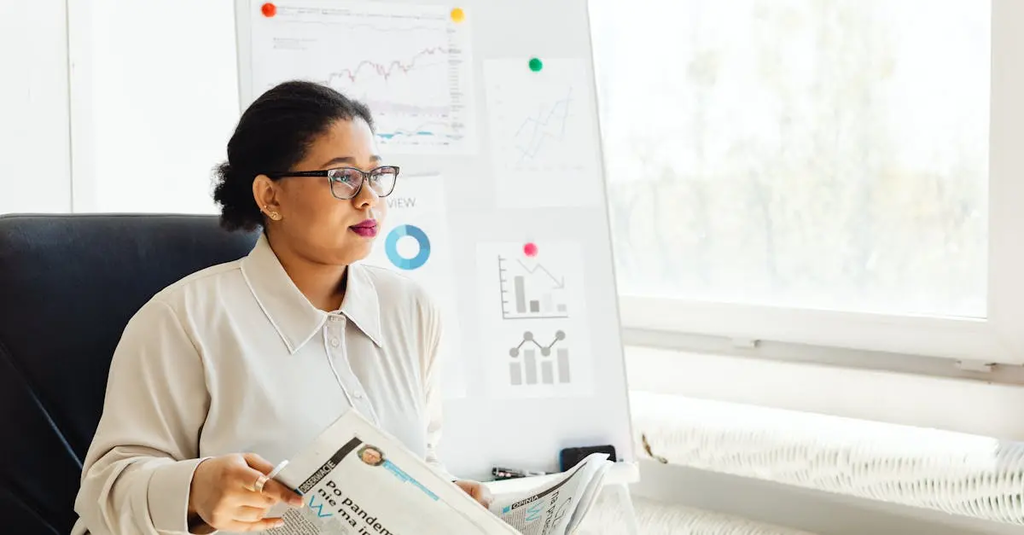
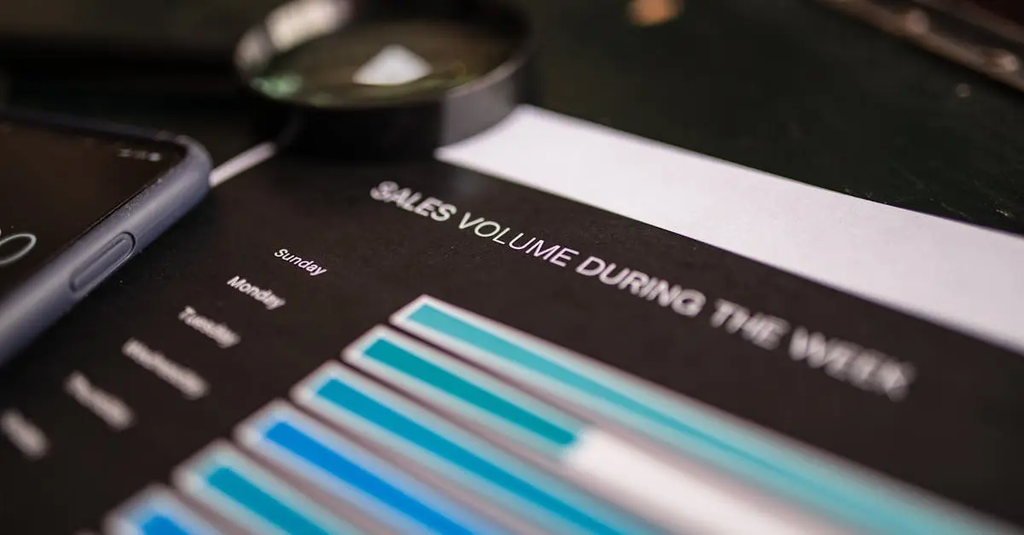
Personal Productivity Metrics & Dashboards refer to tools and systems that track, measure, and visually display an individual's work performance and efficiency. These metrics can include tasks completed, time spent on activities, goal progress, and deadlines met. Dashboards consolidate this information into easy-to-read charts or graphs, enabling individuals to analyze their habits, identify bottlenecks, and make data-driven decisions to improve focus, efficiency, and overall productivity.
Personal Productivity Metrics & Dashboards
Personal Productivity Metrics & Dashboards refer to tools and systems that track, measure, and visually display an individual's work performance and efficiency. These metrics can include tasks completed, time spent on activities, goal progress, and deadlines met. Dashboards consolidate this information into easy-to-read charts or graphs, enabling individuals to analyze their habits, identify bottlenecks, and make data-driven decisions to improve focus, efficiency, and overall productivity.
💡 Key Takeaways
- Identify core personal productivity metrics (tasks completed, time spent, goal progress, deadlines met) and what they reveal about your performance.
- Understand how dashboards visualize data to reveal trends, bottlenecks, and progress at a glance.
- Learn how to select meaningful metrics and avoid vanity metrics that don’t drive improvement.
- Discover how to use metric feedback to set actionable goals and optimize time management and daily habits.
❓ Frequently Asked Questions
What are personal productivity metrics?
Metrics that quantify your work—such as tasks completed, time spent on activities, goal progress, and deadlines met—to measure efficiency and progress.
What is a productivity dashboard and what is its purpose?
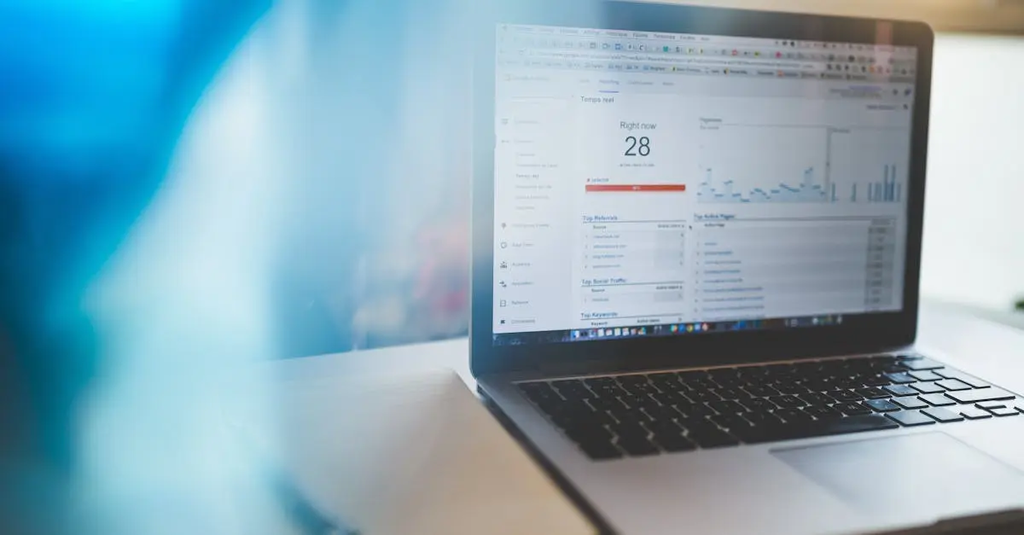
A productivity dashboard is a visual summary of key metrics (charts and gauges) that lets you monitor your performance at a glance and spot trends.
Which metrics are commonly tracked in Personal Productivity Metrics & Dashboards?
Common metrics include tasks completed, time spent on tasks, planned vs. actual time, focus time, interruptions, goal progress, and deadlines met.
How can dashboards help improve work habits and productivity?
They reveal patterns, highlight bottlenecks, inform goal setting, and guide behavior changes by showing where to focus and how performance evolves.