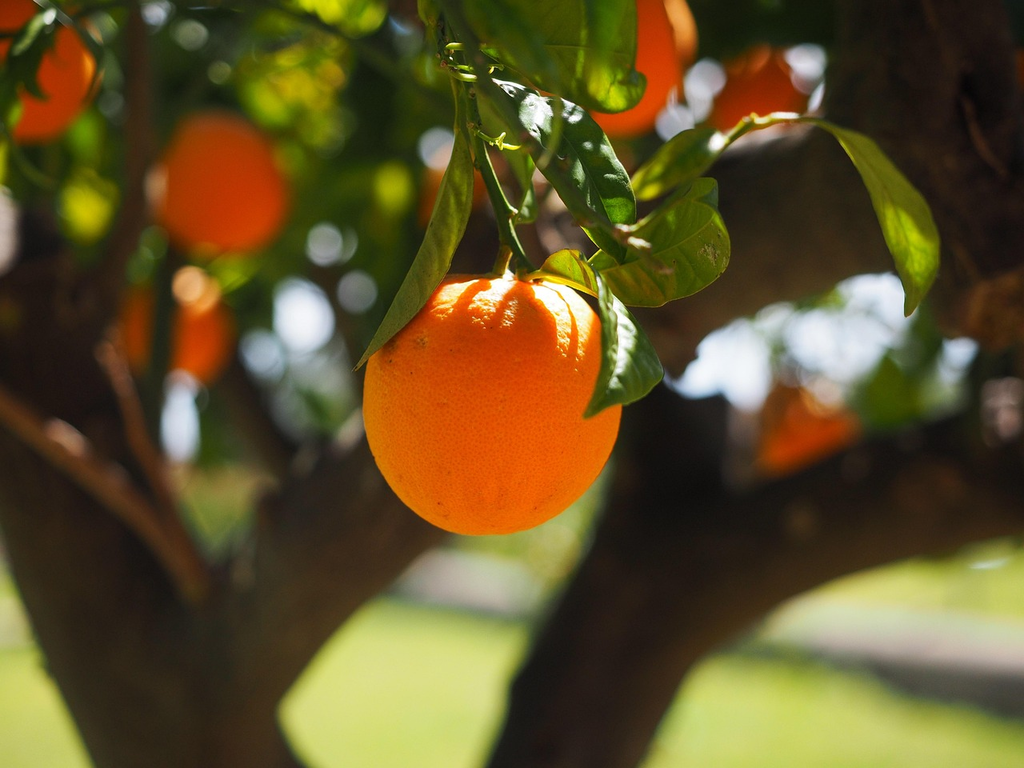
Pest management in cherry orchards involves integrated strategies to control insects, diseases, and weeds that threaten cherry production and quality. Techniques include monitoring pest populations, using biological controls like beneficial insects, applying targeted pesticides when necessary, and implementing cultural practices such as proper pruning and sanitation. Effective pest management ensures healthy cherry crops, minimizes chemical residues, and supports sustainable fruit production, ultimately delivering fresh, high-quality cherries and oranges to consumers.
Pest Management in Cherry Orchards
Pest management in cherry orchards involves integrated strategies to control insects, diseases, and weeds that threaten cherry production and quality. Techniques include monitoring pest populations, using biological controls like beneficial insects, applying targeted pesticides when necessary, and implementing cultural practices such as proper pruning and sanitation. Effective pest management ensures healthy cherry crops, minimizes chemical residues, and supports sustainable fruit production, ultimately delivering fresh, high-quality cherries and oranges to consumers.
💡 Key Takeaways
- Identify the main pests affecting cherry orchards and their life cycles to time interventions.
- Explain the principles of integrated pest management (IPM) and its application in cherry production.
- Describe monitoring and scouting methods (traps, fruit damage, degree-days) and how to use thresholds to trigger controls.
- Compare cultural, biological, and chemical control options and discuss resistance management and safe pesticide use.
❓ Frequently Asked Questions
What are the common pests in cherry orchards?
Common pests include cherry fruit fly, plum curculio, aphids (e.g., black cherry aphid), leafrollers, spider mites, scale insects, and borers. These pests can damage fruit and foliage, so regular monitoring and timely management are important.
What is integrated pest management (IPM) and why is it used in cherry orchards?
IPM is a prevention-based approach that uses scouting, economic thresholds, and a mix of cultural, biological, and chemical controls to minimize economic loss while protecting the environment. In cherries, it emphasizes targeted interventions and reduced reliance on broad-spectrum pesticides.
When should you monitor for pests and when are control actions typically needed in cherries?
Begin scouting in early spring and continue through fruit development. Use traps and field checks to detect pest activity; act when pest levels exceed thresholds to prevent fruit damage, timing interventions for maximum effectiveness.
What are sustainable pest management strategies for cherry orchards?
Sanitation (removing fallen fruit), canopy management for airflow, pheromone traps, use of beneficial organisms, crop rotation or trap crops, and rotating pesticides with different modes of action while following label instructions to protect non-targets.